

The Slowing of Fast Fashion
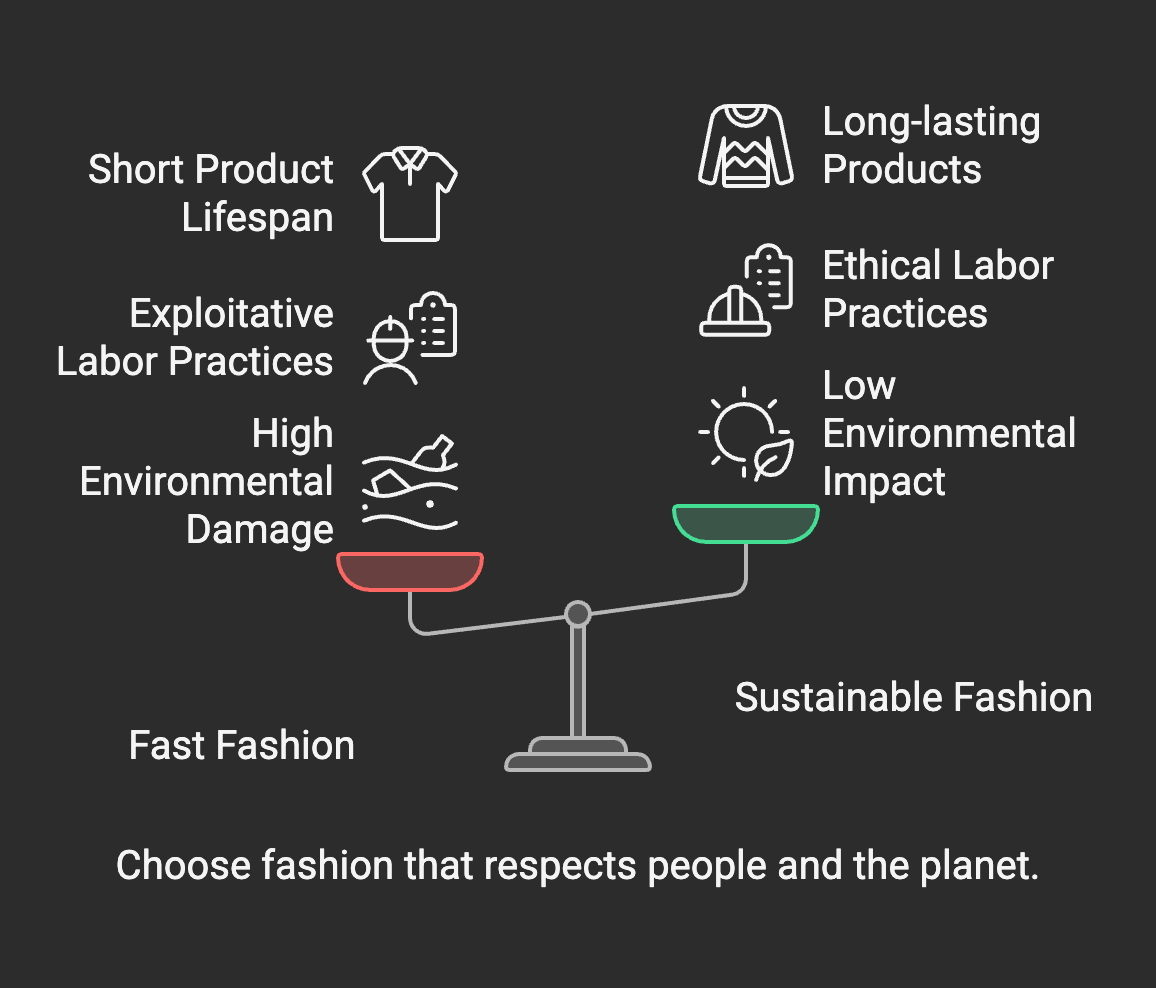
The fashion industry is on the cusp of a significant transformation, a 'sustainable fashion revolution' that’s accelerating as we approach 2026. For decades, fast fashion – the rapid production of cheap, trendy clothing – dominated the market. But that grip is loosening. We’re seeing a slowdown, a recalibration driven by a confluence of factors.
Several brands that epitomized fast fashion are now facing serious headwinds. Boohoo, for example, saw its share price plummet in 2022 after allegations of unethical labor practices. While still operating, the incident highlighted a growing consumer aversion to brands without transparent supply chains. Other companies, like Missguided, haven’t been so lucky, collapsing into administration in 2022. This isn't simply bad luck; it's a consequence of shifting values.
Consumers, particularly younger generations, are increasingly aware of the environmental and social costs of their clothing choices. They’re questioning the relentless cycle of buying and discarding, and demanding more accountability from brands. The H&M Foundation predicts three key shifts by 2026: circularity becoming mainstream, data-driven transparency, and a move towards regenerative agriculture in fiber production. These aren't just industry buzzwords, they reflect a genuine change in consumer expectations.
This isn’t to say fast fashion will disappear overnight. It will likely continue to exist, but its dominance is waning. The future of fashion isn’t about endlessly chasing trends; it’s about investing in longevity, quality, and ethical production. The cracks are showing, and the demand for a more responsible approach is only growing louder.
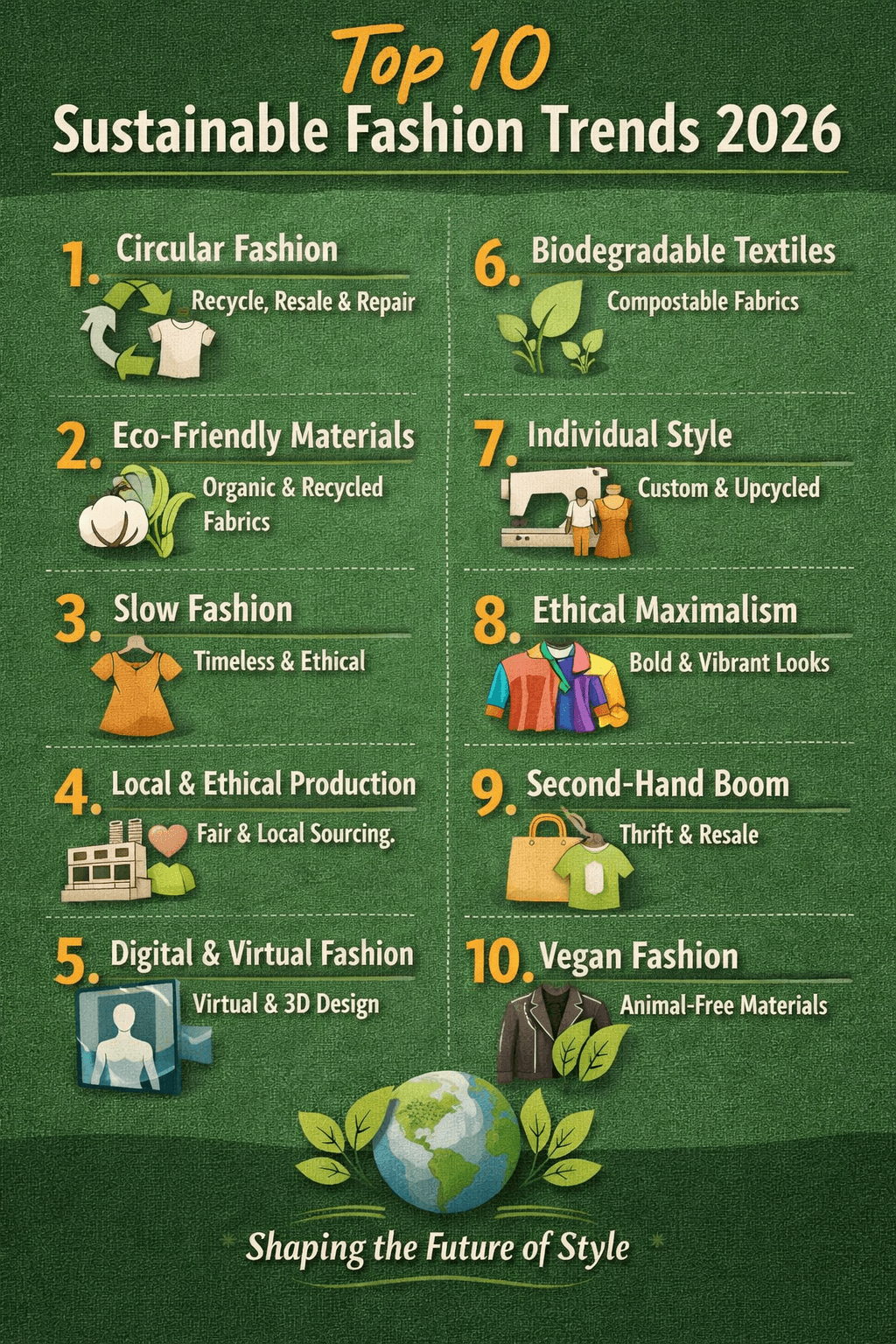
Timeless Aesthetics: The New Currency
The antidote to fast fashion’s disposability is the embrace of 'timeless classics'. These aren’t necessarily specific garments, but rather a philosophy of building a wardrobe around versatile, well-made pieces that transcend fleeting trends. It’s about quality over quantity, and choosing items that will still look stylish years from now.
What defines a timeless classic? It’s a piece that isn’t heavily reliant on current silhouettes or embellishments. For menswear, think a navy blazer, a crisp Oxford shirt, well-fitting chinos, and a pair of leather Chelsea boots. For womenswear, a little black dress, a tailored trench coat, a silk blouse, and classic denim are essential building blocks. These are pieces that can be mixed and matched endlessly, forming the foundation of a sophisticated and adaptable wardrobe.
The beauty of investing in timeless classics is their versatility. A trench coat, for example, can be worn with jeans and a t-shirt for a casual look, or layered over a dress for a more formal occasion. A classic white shirt can be styled with trousers for work, or paired with shorts for a relaxed weekend vibe. They aren’t restrictive; they’re empowering.
Building a wardrobe around timeless pieces is, paradoxically, easier than constantly trying to keep up with trends. It requires more initial investment, perhaps, but it ultimately saves time, money, and mental energy. You’re no longer chasing the next 'it' item; you’re cultivating a personal style that is both elegant and enduring.
- Navy blazer
- Crisp Oxford shirt
- Well-fitting chinos
- Leather Chelsea boots
- Little black dress
- Tailored trench coat
- Silk blouse
- Classic denim
Timeless Wardrobe Essentials
- Classic Trench Coat - A Burberry trench coat, or a similar style, transcends trends. Its water-resistant fabric and belted silhouette offer both practicality and enduring style.
- Breton Striped Top - Popularized by Coco Chanel, the Breton stripe (typically navy and white) is a nautical-inspired staple that remains effortlessly chic. Brands like Saint James are renowned for theirs.
- Dark Wash Denim Jeans (Straight Leg) - Levi's 501s are the quintessential example. A well-fitting, dark wash straight-leg jean is versatile and can be dressed up or down, avoiding fleeting trends.
- White Oxford Shirt - A crisp, white Oxford shirt from a brand like Brooks Brothers is a cornerstone of any classic wardrobe. It’s adaptable for both formal and casual settings.
- Cashmere Sweater (Crewneck or V-Neck) - A quality cashmere sweater, such as those from Loro Piana, provides luxurious comfort and timeless appeal. Neutral colors like navy, grey, or camel are particularly versatile.
- Little Black Dress (LBD) - Originally popularized by Audrey Hepburn, a simple, well-cut black dress is a wardrobe essential. Designers like Carolina Herrera consistently offer elegant LBD options.
- Chelsea Boots - Originally favored by the Victorian elite, Chelsea boots from brands like R.M. Williams are known for their sleek design and comfortable fit, remaining stylish for decades.
Material Matters: The Rise of Eco-Conscious Fabrics
The foundation of sustainable fashion lies in the materials used to create our clothes. Moving beyond simply 'organic cotton' – although that’s a good start – is crucial. The industry is seeing a surge in innovative fabrics designed to minimize environmental impact. Recycled polyester (rPET), made from plastic bottles, is one example, reducing landfill waste and reliance on virgin materials.
Tencel and Lyocell, derived from wood pulp, are other promising alternatives. These fabrics are produced in a closed-loop system, meaning the solvents used are recycled, minimizing pollution. Hemp, a fast-growing plant that requires minimal water and pesticides, is also gaining traction. Beyond these, we’re seeing more experimental materials like Piñatex – a leather alternative made from pineapple leaf fibers – and even mushroom leather, demonstrating the potential for truly circular materials.
Conventional fabrics like cotton and polyester have a significant environmental footprint. Cotton requires vast amounts of water and pesticides, while polyester is derived from petroleum and contributes to microplastic pollution. Switching to sustainable alternatives can drastically reduce these impacts. However, it’s important to look for certifications like GOTS (Global Organic Textile Standard) and OEKO-TEX, which verify that fabrics meet certain environmental and social criteria.
Scaling up production of these sustainable materials remains a challenge. They often come with a higher price tag than conventional fabrics, and supply chains aren’t yet fully developed. Investment in research and development, along with government incentives, will be essential to overcome these hurdles and make eco-conscious fabrics more accessible.
- Recycled Polyester (rPET): Made from plastic bottles.
- Tencel/Lyocell: Derived from wood pulp, closed-loop production.
- Hemp: Fast-growing, low water/pesticide use.
- Piñatex: Leather alternative from pineapple leaf fibers.
- Mushroom Leather: Innovative, bio-based material.
A Comparison of Sustainable Fabrics
| Fabric Name | Source Material | Environmental Impact | Durability | Cost | Feel/Comfort |
|---|---|---|---|---|---|
| Organic Cotton | Cotton plant (grown without synthetic pesticides or fertilizers) | Low | Medium | Medium | Soft, breathable, comfortable against skin |
| Linen | Flax plant | Low | High | Medium to High | Cool, breathable, becomes softer with each wash |
| Hemp | Hemp plant | Low | High | Medium | Durable, breathable, can have a slightly rough texture initially |
| Tencel (Lyocell) | Wood pulp (typically eucalyptus) | Medium | Medium | Medium to High | Silky smooth, drapes well, breathable |
| Recycled Polyester | Plastic bottles and other polyester waste | Medium | Medium | Low to Medium | Similar feel to conventional polyester, can vary in quality |
| Recycled Cotton | Pre- or post-consumer cotton waste | Medium | Medium | Medium | Similar to organic cotton, but quality can vary depending on source |
| Silk | Silkworm cocoons | Medium | High | High | Luxurious, smooth, breathable, delicate |
| Wool | Sheep fleece | Medium | High | Medium to High | Warm, durable, can be itchy for some |
Illustrative comparison based on the article research brief. Verify current pricing, limits, and product details in the official docs before relying on it.
Rental, Resale, and Repair: The Circular Economy
A truly sustainable fashion system isn't just about what clothes are made of; it’s about how they’re used and reused. The concept of a circular economy – keeping materials in use for as long as possible – is gaining momentum, driven by the growing popularity of clothing rental services, resale platforms, and repair services. These initiatives challenge the traditional linear "take-make-dispose" model.
Clothing rental services like Rent the Runway and Nuuly offer access to designer items without the commitment of ownership. This is particularly appealing for special occasions or for those who enjoy experimenting with different styles. Resale platforms, such as ThredUp, Vestiaire Collective, and Depop, provide a marketplace for buying and selling pre-owned clothing, extending the lifespan of garments and reducing waste.
Repair services are also becoming increasingly popular. Instead of discarding damaged clothing, consumers are opting to have them mended, extending their usability. This not only reduces waste but also supports local artisans and promotes a culture of mindful consumption. Project Cece predicts that by 2026, resale will become the dominant way people buy and sell clothes.
The benefits of a circular fashion economy are twofold. Consumers gain access to a wider range of styles at more affordable prices, while the environment benefits from reduced waste and resource consumption. It’s a win-win situation that’s driving a fundamental shift in the way we think about fashion.
Brands Leading the Charge (and Those Lagging)
Some brands are genuinely committed to sustainability, integrating ethical and environmental considerations into every aspect of their business. Patagonia is a long-standing example, known for its durable products, repair programs, and commitment to environmental activism. Eileen Fisher prioritizes circularity, offering a take-back program and designing for longevity.
People Tree is a pioneer in fair trade fashion, working with marginalized artisans and using organic and sustainable materials. Stella McCartney has consistently championed ethical and eco-friendly practices, avoiding leather and fur in her designs. These brands aren’t just paying lip service to sustainability; they’re actively working to create a more responsible fashion industry.
However, 'greenwashing' – the practice of making misleading claims about sustainability – is rampant. Many brands are quick to highlight small eco-friendly initiatives while ignoring the larger environmental and social impacts of their operations. Look closely at a brand’s supply chain, labor practices, and material sourcing before believing their sustainability claims. Are they transparent about their processes? Do they have independent certifications?
H&M, despite its foundation’s forward-looking predictions, has faced criticism for its fast-fashion model and lack of transparency. While they offer a clothing recycling program, the scale of their production still contributes significantly to textile waste. It’s crucial to differentiate between genuine efforts and marketing ploys. Consumers need to demand accountability and support brands that are truly committed to sustainability.
The Role of Technology: Traceability and Transparency
Technology is playing an increasingly important role in enabling greater transparency in the fashion supply chain. Consumers want to know where their clothes come from, who made them, and under what conditions. Technologies like blockchain, RFID tagging, and digital product passports are helping to provide that information.
Blockchain, a decentralized ledger system, can track a garment’s journey from raw material to finished product, ensuring authenticity and preventing counterfeiting. RFID tagging allows for real-time tracking of inventory and can provide consumers with detailed information about a garment’s origin and materials. Digital product passports, containing a garment’s complete lifecycle data, are being explored as a way to promote transparency and accountability.
These tools can help consumers make more informed purchasing decisions and hold brands accountable for their sustainability claims. However, implementing these technologies across complex global supply chains is a significant challenge. It requires collaboration between brands, suppliers, and technology providers.
The cost of implementation is also a barrier, particularly for smaller brands. Furthermore, data privacy concerns need to be addressed. Ensuring the security and responsible use of this information is crucial to building trust with consumers.
Styling Timeless Pieces for a Modern Look
Investing in timeless classics doesn’t mean sacrificing personal style. In fact, these pieces provide the perfect foundation for creating a modern and versatile wardrobe. The key is to mix and match them with trendier items, adding your own personal touch.
A classic trench coat, for example, can be paired with ripped jeans and sneakers for a casual look, or layered over a slip dress and heels for a more sophisticated ensemble. A tailored blazer can be worn with a t-shirt and shorts in the summer, or over a sweater and trousers in the winter. Don’t be afraid to experiment with different textures and colors.
Accessories are also crucial for updating timeless pieces. A statement necklace or a colorful scarf can instantly elevate a simple outfit. Similarly, a pair of trendy shoes can give a classic look a contemporary edge. The goal is to create a balanced look that feels both timeless and current.
Consider these examples: a classic white shirt tucked into high-waisted, wide-leg trousers paired with chunky sneakers for a work-to-weekend look, or a little black dress styled with a bold-colored blazer and ankle boots for an evening out. The possibilities are endless.
Beyond 2026: The Future of Fashion
Looking beyond 2026, the future of sustainable fashion is likely to be characterized by even greater technological innovation and a continued shift away from fast fashion. Will we see a complete abandonment of trend-driven consumption? Probably not, but its influence will likely diminish.
Personalized, on-demand manufacturing could become more prevalent, allowing consumers to design and create their own clothes, reducing waste and ensuring a perfect fit. 3D printing and other advanced manufacturing techniques could revolutionize the way clothes are made. The use of data analytics will allow brands to better understand consumer preferences and optimize production.
However, a truly sustainable fashion system requires more than just technological solutions. It requires systemic change – a fundamental rethinking of the way we produce, consume, and dispose of clothing. This includes addressing issues of labor rights, fair wages, and environmental justice.
Ultimately, the future of fashion depends on collective action. Consumers, brands, and governments all have a role to play in creating a more responsible and sustainable industry. It’s a complex challenge, but one that is essential for the health of our planet and the well-being of future generations.



No comments yet. Be the first to share your thoughts!