

The Y2K Echo: Why Early 2000s Fashion is Back—and Here to Stay
The early 2000s—often referred to as the Y2K era—are dominating fashion conversations again, and it’s far more than just a simple revival. It's a full-blown reinterpretation. We’re not seeing a carbon copy of what Britney Spears and Christina Aguilera wore; instead, designers and trendsetters are pulling key elements and reimagining them for a contemporary audience. This isn't just about aesthetics, it's about the cultural moment.
The initial Y2K period, roughly from the late 1990s to the early 2000s, was defined by optimism, technological advancement, and a sense of rebellious playfulness. Think low-rise jeans, baby tees, velour tracksuits, and an abundance of glitter. It mirrored a time when the internet was becoming mainstream and pop culture was incredibly influential. Now, in 2026, this nostalgia feels particularly potent.
I believe the resurgence is fueled by a few key factors. First, there's the cyclical nature of fashion itself – trends tend to reappear roughly every 20 years. More importantly, though, is the desire for escapism. After years of uncertainty and minimalism, people are craving something fun, expressive, and a little bit over-the-top. The Y2K aesthetic provides exactly that. It’s a reaction against the seriousness of recent years.
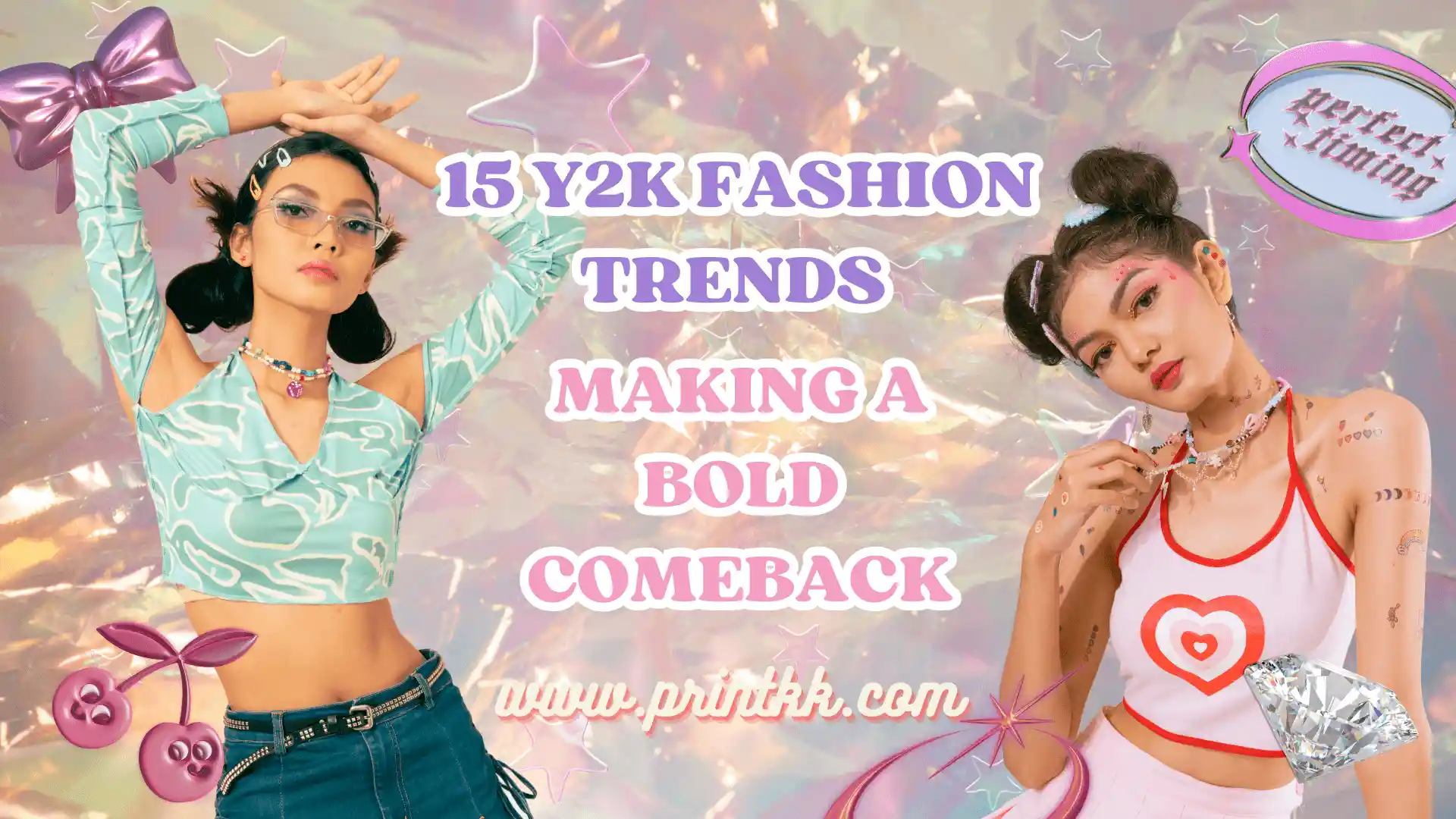
Low-Rise Everything: The Silhouette Defining 2026
Without a doubt, the most controversial—and arguably defining—trend of 2026 is the return of low-rise bottoms. After a decade of high-waisted dominance, the shift is jarring for many. It’s a silhouette that’s been largely absent from mainstream fashion, and its re-emergence has sparked debate about body image and accessibility. It’s not just jeans, either.
Designers are experimenting with low-rise skirts, trousers, and even dresses. We're seeing a lot of pairing these low-slung pieces with cropped tops and fitted jackets to balance the proportions. The silhouette is being presented in a multitude of fabrics, from denim and leather to silk and satin. The contrast to the high-waisted styles of the 2010s is stark; those were about accentuating the waist, while low-rise is about a more relaxed, elongated torso.
One of the big questions is whether designers are catering to a wider range of body types this time around. The original Y2K low-rise jeans were notoriously unforgiving. While some brands are still leaning into that aesthetic, others are incorporating more stretch and offering a broader size range. I’m not sure if this will be enough to completely alleviate concerns about inclusivity, but it's a step in the right direction. There’s also an emphasis on styling – layering, belting, and strategic accessorizing can make low-rise work for many figures.
Beyond Pink: The Color Palette of 2026
While the "Barbiecore" influence has undoubtedly brought a lot of pink to the forefront of 2026 fashion, the color palette is far more diverse than just one hue. The Y2K aesthetic was always about boldness and experimentation with color, and that's continuing in this revival.
Metallic shades – silver, gold, and iridescent – are huge, reflecting the futuristic vibe of the early 2000s. Bright oranges and lime greens are also making a strong showing, adding a playful energy to outfits. Lydia Tomlinson’s recent YouTube video highlighted a lot of these brighter tones, emphasizing how they’re being used in both monochromatic looks and color-blocking combinations.
Interestingly, we’re also seeing a return to some of the softer, pastel tones that were popular in the early 2000s – think lavender, baby blue, and pale yellow. These are often paired with the bolder colors to create a balanced and visually interesting look. The key is contrast and unexpected combinations.
Top Color Combinations: Spring/Summer 2026
- Lavender & Silver - The pairing of soft lavender with metallic silver continues to gain traction, seen prominently in recent Prada and Miu Miu collections. Expect to see this in everything from flowing dresses to structured separates.
- Tomato Red & Cobalt Blue - A bold and energetic combination, this pairing offers a striking contrast. Designers like Bottega Veneta have featured this pairing in their accessories and ready-to-wear lines, signalling its growing popularity.
- Butter Yellow & Chocolate Brown - This earthy yet optimistic pairing provides a sophisticated and grounded look. Spotted in street style from New York and Milan, it’s often seen in knitwear and tailored pieces, influenced by brands like Max Mara.
- Olive Green & Peach - A surprising yet harmonious blend, olive green and peach offers a fresh take on spring palettes. This combination has been gaining momentum with brands like Jacquemus incorporating it into their collections.
- Baby Blue & Canary Yellow - A playful and retro-inspired pairing reminiscent of the 1960s, this combination is making a comeback. Seen in collections from Moschino, it’s often used in graphic prints and color-blocking.
- Hot Pink & Charcoal Grey - A dynamic and modern contrast, hot pink and charcoal grey offers a sophisticated edge. This pairing has been featured in street style during fashion weeks, often seen in tailored suits and statement outerwear, influenced by brands like Balenciaga.
Accessories That Scream '2000s' (But Make It Fashion)
Accessories are absolutely essential for nailing the Y2K aesthetic. The return of iconic accessories is perhaps the most recognizable element of the revival. Chunky sneakers, reminiscent of the styles worn by Destiny’s Child, are everywhere. Baguette bags—those small, rectangular shoulder bags—are also back in a big way.
Butterfly clips, colorful beaded jewelry, and thin sunglasses are also key components. These accessories are often used to add a playful and nostalgic touch to outfits. However, they’re being updated for a modern audience. We’re seeing more sustainable materials being used, and designers are experimenting with new colors and textures.
I’ve noticed a fascinating trend: a subtle resurgence of interest in flip phones, not necessarily for their functionality, but as a fashion statement. They're being carried as accessories, adding a touch of irony and nostalgia. It’s a testament to how deeply embedded the Y2K aesthetic is becoming in contemporary culture.
High Fashion's Take: Y2K on the Runways
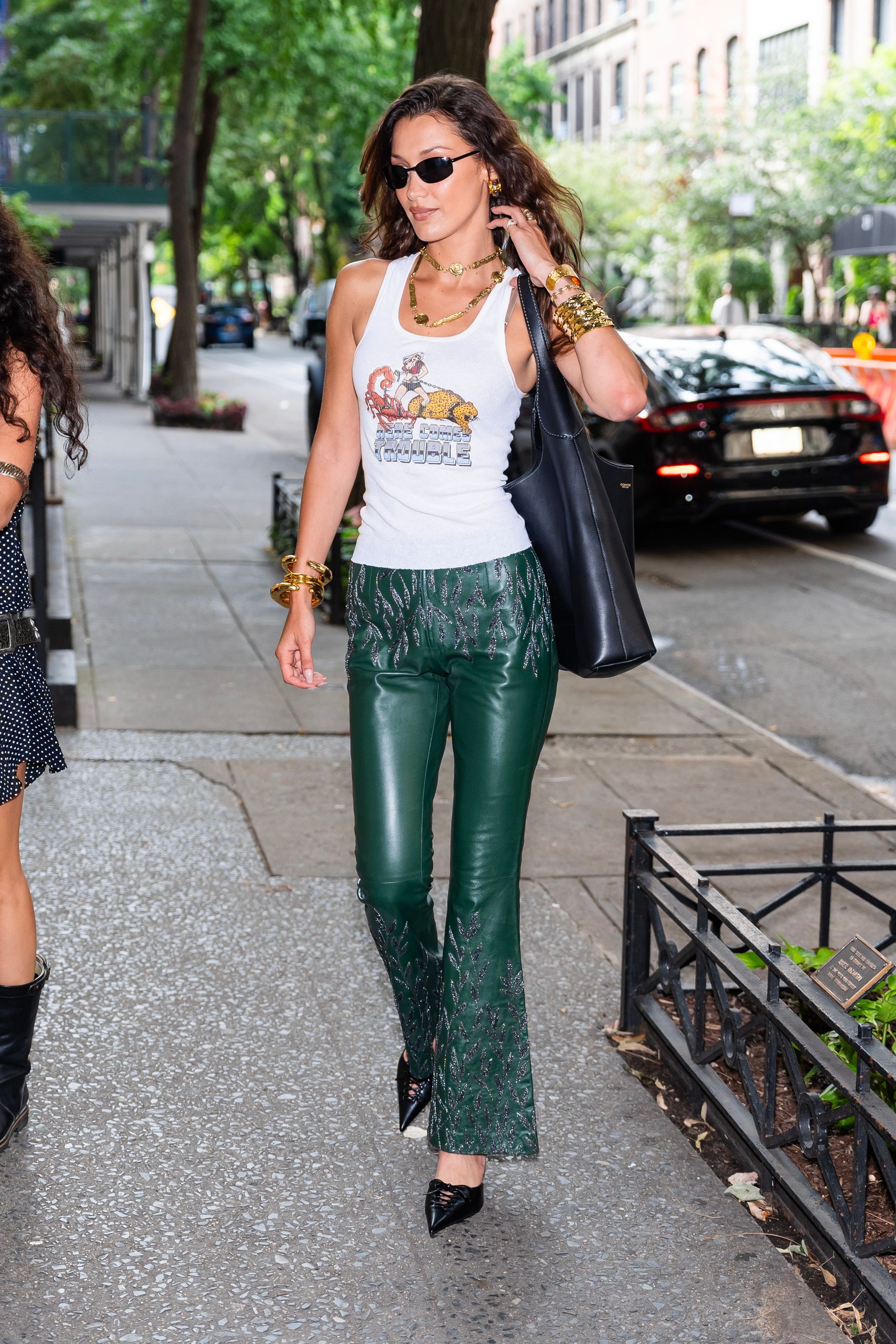
High fashion designers are actively interpreting the Y2K trend, though with varying degrees of success. The Spring/Summer 2026 collections have been rife with references to the early 2000s, but it's rarely a direct replication. Instead, designers are taking key elements—like low-rise jeans, baby tees, and metallic fabrics—and elevating them with sophisticated tailoring and luxurious materials.
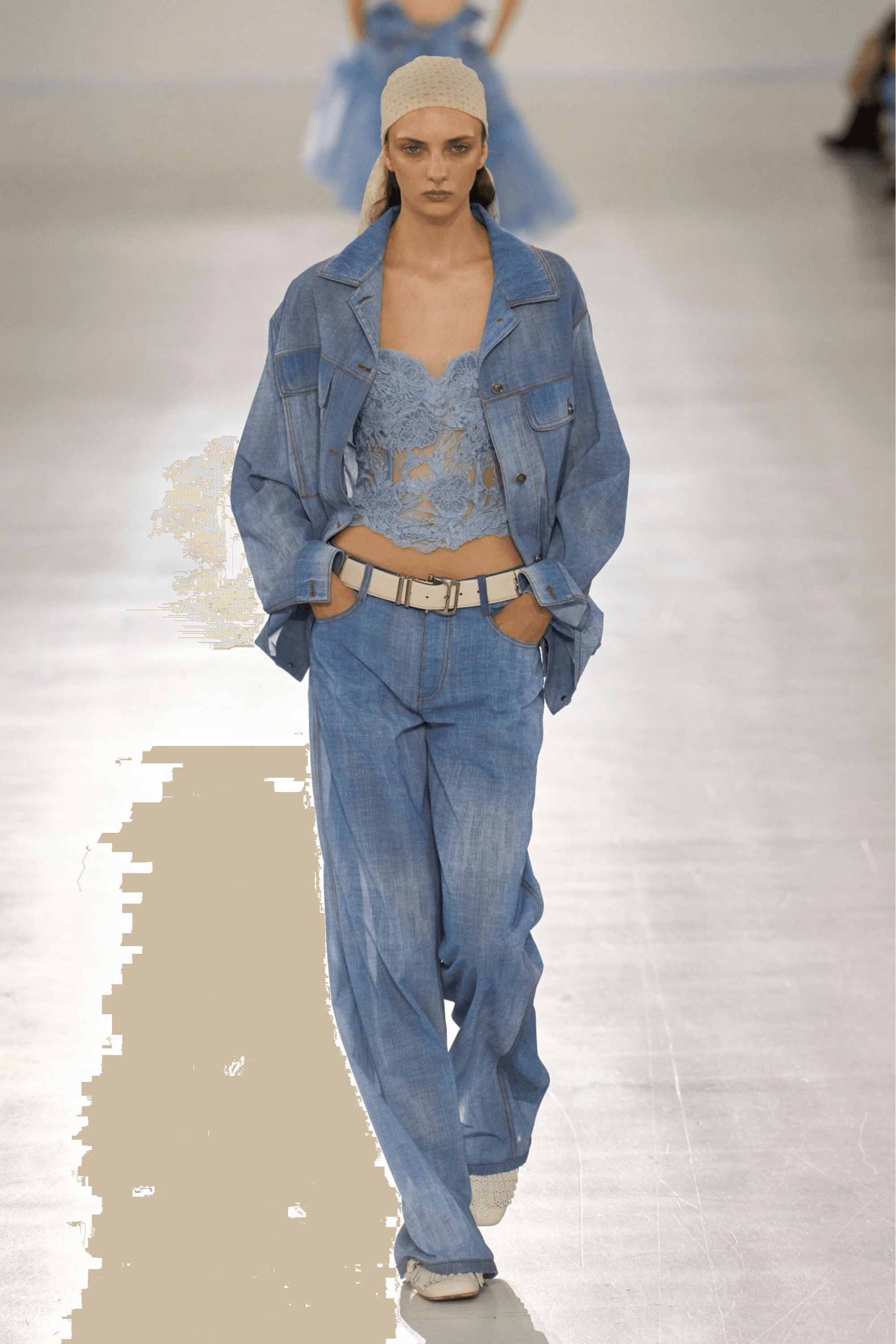
For example, several designers showcased low-rise trousers paired with structured blazers, creating a juxtaposition of casual and formal. Others experimented with sheer fabrics and playful embellishments, referencing the Y2K obsession with sparkle and shine. According to Who What Wear, the incorporation of micro-mini skirts and playful cutouts are also central to the high-fashion interpretation.
Some brands are doing it exceptionally well, successfully capturing the spirit of Y2K without feeling dated or kitschy. Others, however, are missing the mark, either by being too literal or by failing to understand the nuances of the original aesthetic. It’s a delicate balance – capturing the nostalgia without falling into pastiche.
Street Style Stars: Who's Leading the Y2K Charge?
The Y2K trend is being driven by a new generation of influencers and fashion-forward individuals who are embracing the aesthetic with creativity and confidence. These street style stars are not simply copying trends; they’re putting their own spin on them, creating unique and personal looks.
Many are mixing Y2K pieces with contemporary staples, such as oversized blazers, chunky boots, and minimalist accessories. This creates a balanced and modern look that feels fresh and exciting. We’re seeing a lot of experimentation with layering, color-blocking, and unexpected pairings.
The influence isn’t limited to any one city or culture. From Tokyo to New York to London, street style stars are showcasing their interpretations of the Y2K aesthetic. It's a global phenomenon, demonstrating the widespread appeal of this nostalgic trend. The diversity of styles is remarkable, proving that the Y2K revival is about self-expression and individuality.
Content is being updated. Check back soon.
The Sustainability Question: Can Y2K Be Ethical?
The Y2K era was heavily influenced by fast fashion, a system that’s now widely recognized for its environmental and social problems. As we revisit this aesthetic, it’s crucial to address the sustainability concerns. Simply replicating the trends of the early 2000s would be a step backwards.
Fortunately, there’s a growing awareness of these issues, and consumers are demanding more ethical and sustainable options. This has led to a surge in vintage and secondhand shopping, as people seek out authentic Y2K pieces without contributing to overconsumption. Brands are also responding by using more sustainable materials and adopting more responsible production practices.
It is possible to embrace the Y2K aesthetic without compromising your values. Choosing vintage, supporting sustainable brands, and being mindful of your consumption habits are all ways to participate in the trend responsibly. The challenge is to learn from the mistakes of the past and create a more conscious and ethical future for fashion.
Even in his daily life in the US, GD’s style is a Global Constant. From the "Rockstar" leather jacket look to the "Boyish" baseball cap and red sweater combo, he continues to set the standard for 2026 fashion trends.
— Lonio (@kpopbluess) April 12, 2026
No comments yet. Be the first to share your thoughts!