

Back to the Boombox: 90s Hip Hop's Style DNA
Fashion is shifting. After years of sleek minimalism and Y2K revivalism, bolder, looser, and more expressive styles are returning: 90s hip hop fashion. The music, art, and attitude of the 90s resonate with a new generation, and the clothing reflects that.
The 90s were a defining decade for hip hop. It grew from a subculture into a dominant force in music and fashion, with style evolving alongside it. Artists like Tupac, Biggie, Aaliyah, and TLC set trends through their music and their clothing. They rejected mainstream norms with oversized silhouettes, athletic wear, and a mix of high and low fashion. It was about making a statement.
This aesthetic feels fresh today as a reaction to the hyper-curated, often restrictive styles of recent years. People want comfort, authenticity, and a way to express individuality. The 90s offered this, and the current revival reclaims that spirit. It's about feeling confident and unapologetic. The influence is visible across social media, runways, and street style, showing it's more than a fleeting moment.

The Core Pieces: Building a 90s Foundation
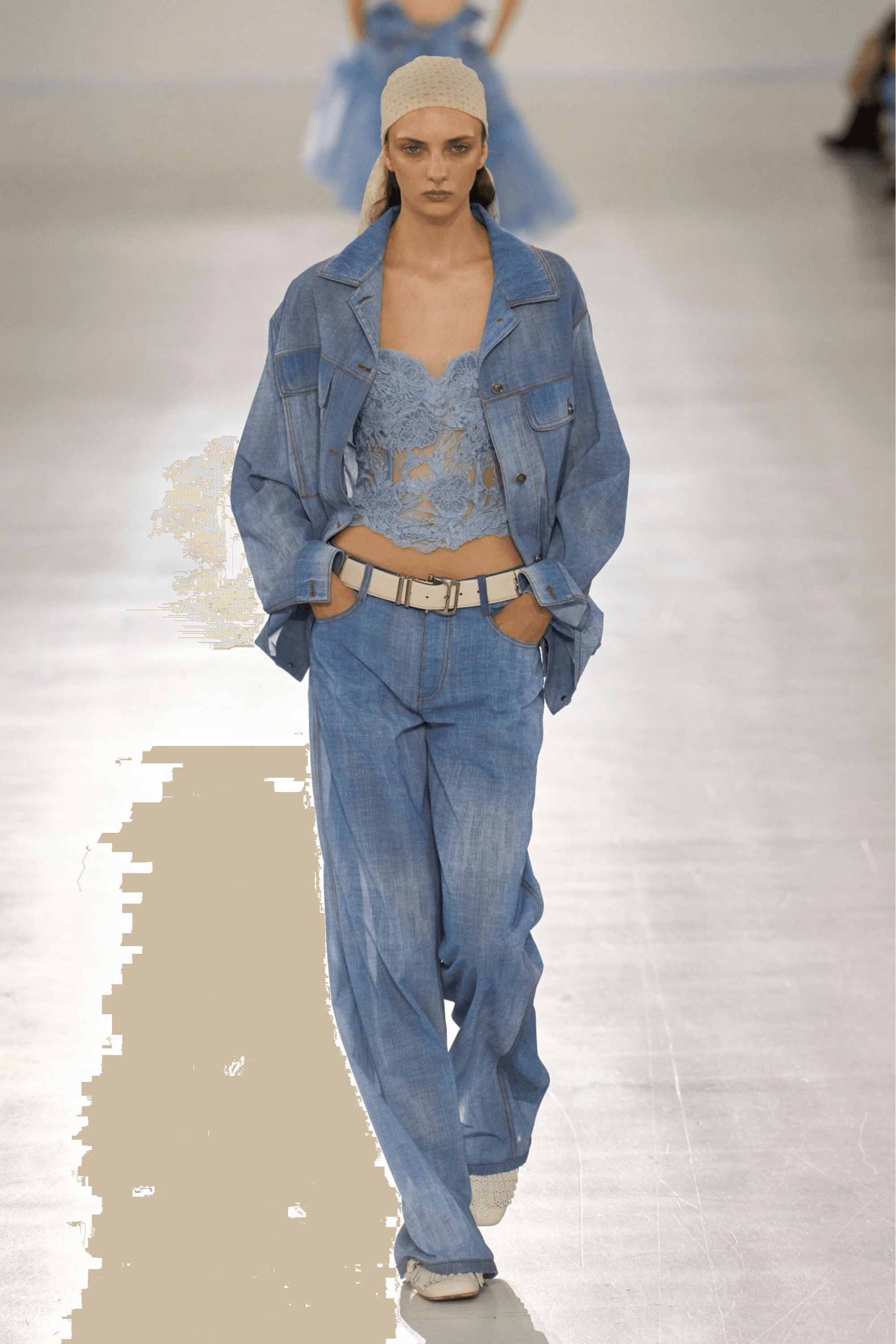
The 90s hip hop look was built on a few core pieces. Baggy jeans were essential—think relaxed fits, often with a lower rise. Washes ranged from dark indigo to light acid wash, and distressing was common. These jeans symbolized rebellion and comfort.
Oversized hoodies and sweatshirts were staples, layered over t-shirts or under workwear jackets. Brands like Karl Kani and FUBU were popular, offering bold graphics and colors. Athletic jerseys, especially basketball and football styles, were also common. They were worn as everyday wear, representing a connection to the culture and a sense of athleticism.
Workwear jackets from brands like Carhartt and Dickies added a rugged element. These jackets were functional and also a statement about authenticity and working-class roots. Timberland boots, especially the 6-inch Premium Waterproof Boot, became synonymous with the era. They were durable, stylish, and represented practicality and street credibility. These brands resonated for their genuine connection to the community.
How these pieces were worn was as important as the pieces themselves. Layering was key, mixing textures and colors for a unique look. The fit was always relaxed and comfortable, prioritizing ease of movement and self-expression, creating a silhouette that was stylish and functional.
Accessorize Like It's '94
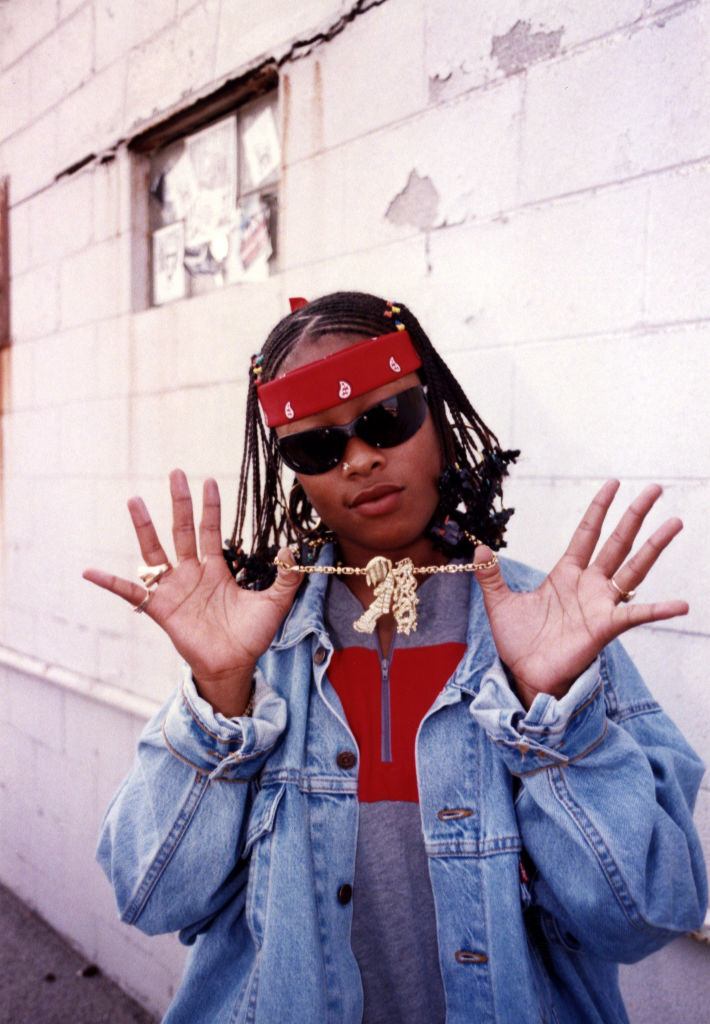
Accessories were integral to the 90s hip hop look. A fitted baseball cap, often with a team logo, was a must-have for signaling affiliations and style. Thick, layered gold chains were another element, representing status and self-expression.
Oversized sunglasses added mystery and coolness. Bandanas, worn around the head or neck, added color or edge. Chunky sneakers, like Air Jordans or Adidas Superstars, were essential, serving as a status symbol.
The influence extended to body modification. Grillz, decorative teeth attachments, gained popularity, representing bold self-expression and challenging conventional norms.
- Fitted baseball caps (team logos)
- Thick, layered gold chains
- Oversized sunglasses
- Bandanas
- Chunky sneakers (Air Jordans, Adidas Superstars)
90s Hip Hop Style Checklist
- Fitted Baseball Cap - A classic, often logo-emblazoned (think New Era), worn forward or slightly tilted.
- Oversized Graphic T-shirts - Featuring hip hop groups, sports teams, or bold logos. Brands like Karl Kani and FUBU were staples.
- Gold Chain(s) - From delicate rope chains to heavier, chunkier links. Often layered for a bolder statement.
- Baggy Jeans - Specifically, light-wash or medium-wash denim, often with a relaxed or wide-leg fit. Levi's 501s were popular.
- Timberland Boots - Specifically the 6-inch Premium Waterproof Boots, often laced in a distinctive style.
- Oversized Sunglasses - Rectangular or square frames were common, often with dark lenses. Brands like Carrera gained popularity.
- Workwear Jackets - Brands like Carhartt and Dickies became fashionable, offering a durable and utilitarian aesthetic.
- Bucket Hats - Often in corduroy or nylon, providing a casual and cool accessory.
Menswear's Revival: From Then to 2026
The 90s hip hop aesthetic is prominent in menswear. Designers are drawing inspiration from the era, but with a refined and contemporary take on classic silhouettes. Baggy fits are still present, often balanced with more tailored pieces.
Brands like Noah and Palace incorporate 90s-inspired elements, offering oversized hoodies, relaxed-fit jeans, and athletic outerwear. Luxury brands, including Virgil Abloh's work at Louis Vuitton, also reference 90s hip hop. Fabrics and textures are updated with higher-quality materials and sophisticated finishes.
To incorporate 90s elements into a modern wardrobe, start with key pieces like relaxed-fit jeans, an oversized hoodie, and chunky sneakers. Layer these with tailored items, such as a blazer or button-down shirt, for a balanced look. The goal is to nod to the 90s, not to recreate a costume. A well-chosen accessory, like a vintage baseball cap or gold chain, adds authenticity.
Women’s Take: Remixing 90s Femininity
Women embrace the 90s hip hop aesthetic by remixing it with femininity and personal style. Artists like Lil' Kim, Foxy Brown, and Queen Latifah pioneered this look, challenging traditional notions of female beauty and empowerment. Their influence is still felt.
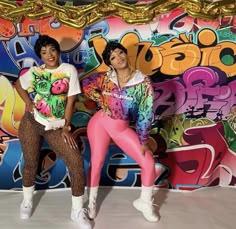
Oversized silhouettes, athletic wear, and bold accessories define the women’s take on the 90s hip hop aesthetic. Examples include oversized hoodies with bike shorts, baggy jeans with crop tops, and chunky sneakers with dresses. The look emphasizes confidence, comfort, and self-expression, mixing masculine and feminine elements.
This clothing reflects the evolution of female empowerment. Women embrace traditionally masculine styles and challenge gender norms. The 90s hip hop aesthetic provides a platform for individuality and body celebration, allowing women to control their image and own their style.
Street Style Now: Spotted in the Wild
The 90s hip hop revival is playing out on the streets. Instagram and Pinterest are filled with people rocking the look with their own interpretations, some literal recreations, others incorporating 90s elements into existing wardrobes.
Common pairings include oversized hoodies with baggy jeans and chunky sneakers, or athletic jerseys with bike shorts and baseball caps. Accessories like gold chains and oversized sunglasses complete the look. It's interesting to see how people adapt the style to personal tastes.
undefined clothes; it’s about how you style them. A well-chosen accessory, a confident attitude, and a sense of self-expression are all essential. The best looks feel effortless and authentic, not forced or contrived.
Brands Leading the Charge (and Where to Shop)
Several brands are currently leading the charge in the 90s hip hop fashion revival. Karl Kani, a brand that was central to the original era, has made a comeback, offering updated versions of its classic designs. FUBU is also experiencing a resurgence in popularity, thanks to collaborations and re-releases. Newer brands like Sean John and Cross Colours are continuing to build on the legacy of the 90s.
For more affordable options, look to brands like ASOS and H&M, which often carry 90s-inspired pieces. Vintage and thrift stores are also a great source for authentic 90s pieces. You can often find high-quality, unique items at a fraction of the price of new clothing. Depop and Poshmark are online marketplaces where you can find vintage and secondhand 90s hip hop fashion.
These brands are relevant because they understand the cultural significance of the 90s hip hop aesthetic. They’re not just selling clothes; they’re selling a lifestyle and a sense of identity. They’re also committed to honoring the origins of the style and respecting its cultural roots.
Brands & Their 90s Hip Hop Influence
| Brand Name | Price Point | Key 90s Elements | Overall Vibe |
|---|---|---|---|
| Tommy Hilfiger | $$ | Bold logos, oversized fits, color blocking, rugby shirts | Authentic Revival |
| FUBU | $$ | Sportswear aesthetic, emphasis on community, logo prominence, tracksuits | Heritage Focused |
| Karl Kani | $$ | Relaxed silhouettes, denim focus, graphic tees, influence of graffiti art | Classic Reimagined |
| Cross Colours | $$ | Bright colors, positive messaging, oversized cuts, socially conscious branding | Vibrant & Nostalgic |
| Timberland | $$$ | Iconic yellow boots, durable workwear aesthetic, association with outdoor style | Rugged & Refined |
| Champion | $ | Logo taping, sweatshirts, athletic wear, streetwear crossover | Sporty & Accessible |
| Polo Ralph Lauren | $$$ | Polo shirts, cable knit sweaters, preppy aesthetic adopted by hip hop artists | Elevated & Influenced |
| Versace | $$$$ | Bold prints, luxurious fabrics, maximalist style embraced by artists | High Fashion Infusion |
Illustrative comparison based on the article research brief. Verify current pricing, limits, and product details in the official docs before relying on it.
Beyond the Clothes: The Cultural Impact
90s hip hop fashion was more than just clothes; it was a cultural phenomenon. It emerged from a period of social and political upheaval, reflecting the struggles and aspirations of a generation. The style was a form of self-expression, a way for young people to assert their identity and challenge the status quo.
The influence of 90s hip hop fashion extends beyond clothing. It has impacted music, art, and popular culture as a whole. The aesthetic continues to inspire designers, artists, and musicians today. It's a testament to the enduring power of hip hop culture. It’s important to acknowledge the origins of the style and to respect its cultural significance. Though I'm not sure how deeply to explore this, it feels essential to recognize the context.
No comments yet. Be the first to share your thoughts!