

Luxury's Green Shift: 2026 Forecast
The pressure on high fashion to embrace sustainability is no longer a murmur; it’s a roar. By 2026, luxury brands are fundamentally shifting their operations, driven by consumer demand. Younger generations, especially, are actively seeking ethical and environmentally responsible products, and brands are responding.
Beyond consumer preference, increasingly stringent regulations globally are forcing brands to address their environmental impact. Resource scarcity, such as the dwindling supply of raw materials like cotton and leather, is also a significant driver. The old model of endless growth on a finite planet is no longer viable.
High fashion has historically been slow to adopt sustainable practices, often perceived as a compromise on quality or aesthetics. This perception is changing. Brands now see sustainability as an opportunity for innovation and a way to connect with new consumers, reframing luxury as responsible craftsmanship, not ostentatious consumption.
The debate is no longer if luxury fashion needs to be sustainable, but how quickly and effectively brands can transform their businesses. This transition requires significant investment, collaboration, and a willingness to challenge established norms. Brands that succeed will embrace sustainability as a core value, not just a marketing tactic.
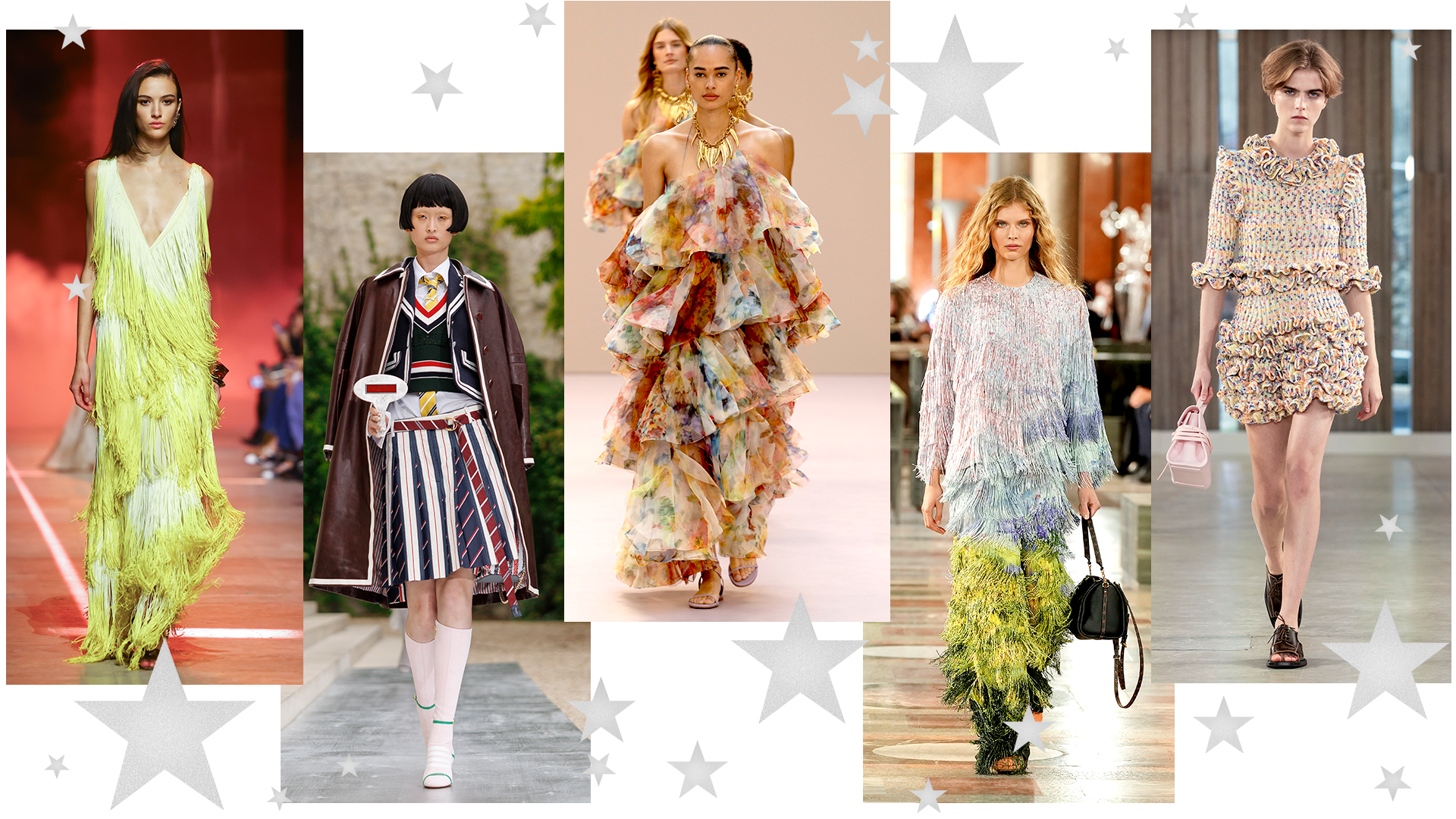
Material Innovation: Beyond Organic Cotton
The search for sustainable materials is at the forefront of this transformation. While organic cotton is a good start, material science innovations are generating excitement. Alternatives to traditional fabrics and materials are surging in development.
Lab-grown leather, or Bioleather, is gaining traction. Companies like VitroLabs create leather from cellular agriculture, growing it from animal cells in a lab to eliminate livestock farming. This process significantly reduces water usage, land use, and greenhouse gas emissions. Stella McCartney is a vocal advocate and early adopter.
Recycled ocean plastic is another key innovation area. Parley for the Oceans partners with Adidas to create footwear and apparel from plastic intercepted from marine environments, reducing plastic waste and cleaning oceans. The challenge lies in scaling production and ensuring material quality.
Beyond leather and plastic, plant-based alternatives are developing rapidly. Mylo, made from mycelium (mushroom roots), offers a promising leather-like texture and durability. Piñatex, crafted from pineapple leaf fibers, is another popular option, providing a sustainable alternative to leather and textile waste. Hugo Boss has begun incorporating Piñatex into some collections.
Scaling production to meet luxury market demands is a major hurdle for these materials. Ensuring consistent quality and performance is also crucial. However, the potential benefits—reduced environmental impact, increased resource efficiency, and innovative new aesthetics—are significant. Brands are integrating these materials into their design processes, often requiring adjustments to manufacturing techniques.
- Bioleather: Grown from animal cells, reducing livestock farming's impact.
- Parley Ocean Plastic: Recycled plastic from marine environments.
- Mylo: Leather alternative made from mushroom roots.
- Piñatex: Leather alternative made from pineapple leaf fibers.
Sustainable Material Comparison for High Fashion (2026)
| Material Name | Source | Durability | Feel/Texture | Cost (relative to conventional materials) | Brand Adoption |
|---|---|---|---|---|---|
| Recycled Cashmere | Post-consumer cashmere garments, textile waste | High - can be re-spun multiple times with some fiber length loss | Luxuriously soft, similar to virgin cashmere | Higher - processing to reclaim and re-spin adds cost | Stella McCartney, The Row, Brunello Cucinelli |
| Organic Cotton | Farms using organic farming practices (no synthetic pesticides or fertilizers) | Moderate - good tensile strength, but can wear with repeated washing | Soft, breathable, can vary depending on weave | Comparable to conventional cotton, potentially slightly higher | Eileen Fisher, People Tree (often adopted by luxury lines for basics), Patagonia |
| Piñatex | Pineapple leaf fiber – agricultural waste product | Moderate - strength improves with blending with other fibers | Leather-like, slightly textured | Comparable to some synthetic leathers, potentially lower than exotic animal skins | Hugo Boss, H&M (collaborations), Ananas Anam (material supplier used by many brands) |
| Recycled Polyester (rPET) | Plastic bottles and other plastic waste | High - strong and resistant to stretching and shrinking | Can mimic a variety of textures depending on processing; often feels smooth | Generally lower than virgin polyester | Prada (Re-Nylon collection), Adidas, Girlfriend Collective (influencing luxury activewear) |
| Tencel/Lyocell | Wood pulp from sustainably managed forests (typically eucalyptus) | High - strong, durable, and resistant to wrinkles | Silky smooth, drapes well | Moderate - production process is more expensive than conventional viscose | Mara Hoffman, Reformation, Armedangels |
| Mylo™ (Mushroom Leather) | Mycelium, the root structure of mushrooms | Developing - currently less durable than traditional leather, ongoing research improving this | Soft, supple, similar to leather | Currently high - production scaling is a factor | Stella McCartney, Adidas (prototype collaborations), Lululemon |
| Orange Fiber | Citrus juice by-products | Moderate - often blended with other fibers to improve strength | Silky, lightweight | Higher - extraction and processing are complex | Salvatore Ferragamo (limited edition collections), H&M (conscious exclusive lines) |
Illustrative comparison based on the article research brief. Verify current pricing, limits, and product details in the official docs before relying on it.
High Fashion Haute Couture with
— Kanjana Suvannasuk (@suvannasuk) May 4, 2026
Lingling Kwong#DiorBeauty #Dior #linglingkwong@linglingsirilak @Dior pic.twitter.com/Ad4GP2vHUJ
Circular Economy Models in Practice
Beyond sustainable materials, luxury brands are embracing circular economy principles: designing products to last, facilitating repair and reuse, and minimizing waste. The linear 'take-make-dispose' model is becoming obsolete.
Resale platforms like Vestiaire Collective and The RealReal are vital for buying and selling pre-owned luxury goods. Many brands are now launching their own resale platforms to capture this market. Gucci, for instance, partners with The RealReal, offering incentives for customers to resell Gucci items.
Rental services are gaining popularity, particularly for occasion wear. Rent the Runway pioneered this space, and luxury brands are experimenting with their own rental offerings, allowing consumers to access high-end fashion without ownership commitment.
Repair programs are another key component. Burberry offers repair services for its iconic trench coats, extending their lifespan and reducing replacement needs. This demonstrates a commitment to quality and durability.
Design for disassembly—creating products that can be easily taken apart and recycled—is a nascent but important trend. It requires rethinking product design and manufacturing. The economics of these circular models are still being worked out, but early indicators suggest profitability, particularly when combined with brand building and customer loyalty programs.
Traceability & Transparency: The Blockchain Push
Consumers demand to know the origin of their clothes and the conditions under which they were made. Traceability and transparency are essential. Blockchain technology is key.
Blockchain provides a secure, immutable record of a product’s journey from raw material sourcing to retail. Brands can verify product authenticity and demonstrate commitment to ethical and sustainable practices, building consumer trust.
Companies like Provenance and Arianee provide blockchain solutions for the luxury industry. Provenance verifies material origin and impact, while Arianee provides digital certificates of authenticity for luxury goods. LVMH, the world’s largest luxury conglomerate, uses Arianee’s technology to track product provenance.
Blockchain benefits brands by improving supply chain efficiency, reducing counterfeiting, and enhancing reputation. Consumers gain peace of mind knowing products are genuine and ethically sourced. The value is in the verifiable information provided, not the complex technology itself.
The Rise of Regenerative Agriculture & Fashion
Regenerative agriculture actively improves the environment, going beyond minimizing harm. Unlike traditional organic farming, which avoids synthetic pesticides and fertilizers, regenerative agriculture restores soil health, enhances biodiversity, and sequesters carbon.
Practices like cover cropping, no-till farming, and rotational grazing build soil organic matter. This improves water retention, reduces erosion, and increases carbon sequestration. Healthy soil is the foundation of a healthy ecosystem.
Several brands are sourcing materials from regenerative farms. Eileen Fisher works with regenerative cotton farmers in the United States. Patagonia has long supported regenerative agriculture.
undefined global fashion industry. It requires a significant investment in infrastructure and training for farmers. However, the benefits – improved soil health, increased resilience to climate change, and a more sustainable supply chain – are substantial. It’s a long-term investment, but one that’s essential for the future of fashion.
Eco-Innovations in Luxury
- Stella McCartney continues to pioneer material innovation, notably expanding its use of Mylo™️, a leather alternative made from mycelium (mushroom roots). In 2026, expect to see broader integration of this material across their handbag and ready-to-wear collections.
- Gucci has significantly invested in regenerative agriculture initiatives, focusing on sourcing organic cotton and wool from farms employing practices that restore soil health and biodiversity. Their 'Sempre Gucci' collection increasingly highlights these sustainably sourced materials.
- Prada’s Re-Nylon project, utilizing recycled ocean plastic, is maturing. By 2026, they're projected to have substantially increased the percentage of Re-Nylon used in their iconic bags and apparel, alongside explorations into textile-to-textile recycling.
- Kering, the parent company of brands like Saint Laurent and Balenciaga, is implementing traceability technologies – including blockchain – to provide greater transparency regarding the origin and environmental impact of their materials. Expect increased consumer access to this information.
- LVMH is focusing on circular business models, including expanding their repair services and resale platforms for brands like Louis Vuitton and Dior. This shift aims to extend the lifespan of luxury goods and reduce waste.
- Burberry is actively working to reduce its carbon footprint through investments in renewable energy and optimizing its supply chain. They’ve committed to net-zero emissions by 2040 and are making strides in water conservation within their production processes.
- Hermès, while traditionally focused on craftsmanship and longevity, is increasing its focus on responsible sourcing of exotic skins and exploring alternative materials. They are investing in research to improve the traceability and welfare standards within their supply chains.
Greenwashing vs. Genuine Effort: Spotting the Difference
The rise of sustainable fashion has also brought with it the problem of greenwashing – brands making misleading claims about their environmental practices. It can be difficult for consumers to discern between genuine efforts and superficial marketing.
One key indicator is transparency. Brands that are truly committed to sustainability will be open about their supply chain, their manufacturing processes, and their environmental impact. They’ll publish detailed sustainability reports and be willing to answer tough questions.
Look for independent certifications, such as GOTS (Global Organic Textile Standard) and OEKO-TEX. These certifications verify that a product meets certain environmental and social standards. However, it’s important to note that even certifications aren’t foolproof.
Beware of vague claims like “eco-friendly” or “sustainable” without specific details. Ask yourself: what does that actually mean? Look for concrete data on environmental impact, such as carbon emissions, water usage, and waste reduction. A brand’s actions speak louder than its words.
I’m not sure it’s always easy to tell the difference, and it requires a critical eye. Consumers need to do their research and support brands that are genuinely committed to sustainability, not just those that are good at marketing.
- Check for Transparency: Detailed reports and open supply chains.
- Look for Certifications: GOTS, OEKO-TEX, and other independent verifications.
- Beware of Vague Claims: “Eco-friendly” needs specifics.
- Seek Concrete Data: Carbon emissions, water usage, waste reduction.
The Future of Luxury & Sustainability: 2030 Vision
Looking ahead to 2030, the future of sustainable high fashion is likely to be defined by several key trends. Technology will play an even more significant role, with advancements in material science, traceability, and circular economy models.
Personalized, on-demand manufacturing will become increasingly prevalent. This will allow consumers to create custom-made garments with minimal waste. 3D printing and other advanced manufacturing techniques will make this possible.
Government regulation will likely become stricter, forcing brands to adopt more sustainable practices. Extended Producer Responsibility (EPR) schemes, which hold brands accountable for the entire lifecycle of their products, are likely to become more widespread.
I believe sustainability will become the norm, not a niche market. Consumers will expect luxury brands to operate responsibly, and those that don’t will be left behind. The definition of luxury itself will evolve to encompass sustainability and ethical production.
However, there are still uncertainties. The cost of sustainable materials and manufacturing processes remains a challenge. Scaling up regenerative agriculture to meet the demands of the industry will require significant investment and collaboration. The future of luxury and sustainability is not predetermined, but it’s clear that the industry is on a path towards a more responsible and circular future.
Content is being updated. Check back soon.



No comments yet. Be the first to share your thoughts!