

Y2K's Echo: Fashion's Nostalgia Loop
Fashion operates in cycles, and right now, we're seeing a very strong pull back towards the early 2000s. It’s not a direct copy, of course, but a reimagining of Y2K aesthetics for a new generation. This isn’t entirely surprising; trends typically reappear roughly every 20 years, and Gen Z is now discovering – or rediscovering – the fashion of their parents’ youth. TikTok has been instrumental in this revival, with hashtags dedicated to Y2K style garnering billions of views.
But the return of Y2K feels different this time. It's less about replicating the looks exactly and more about capturing the feeling of the era: a sense of playful experimentation, optimism, and a bit of rebellious energy. Marie Claire points out that we’re seeing a move towards more wearable iterations of Y2K trends, acknowledging that the original styles weren't always the most practical. This isn’t about low-rise jeans being universally flattering, but about the attitude they represent.
We're seeing this nostalgia loop reflected across the industry. Who What Wear highlights the prevalence of butterfly motifs, baby tees, and baguette bags in recent collections, all hallmarks of the Y2K era. It's a reaction, I think, to the minimalism that dominated the 2010s. People are craving more color, more personality, and more fun in their wardrobes. The current cultural moment, with its anxieties and uncertainties, also fuels this desire for a simpler, more carefree past.
The early 2000s were characterized by a sense of possibility, fueled by the rise of the internet and a booming economy. That same optimism, even if tinged with irony, is what’s driving this revival. It’s a chance to embrace a bit of escapism and inject some joy into our everyday lives. This isn't just a fleeting trend, but a significant shift in the cultural landscape of fashion.
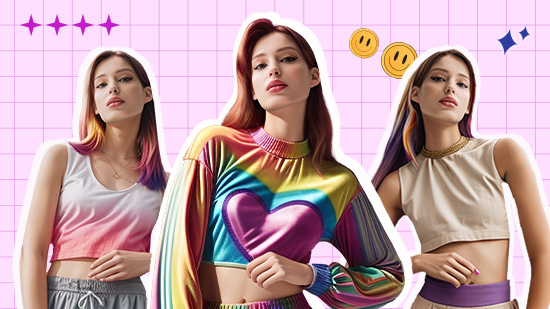
Digital Threads: AI's Design Influence
The influence of Artificial Intelligence on fashion is expanding rapidly, and it’s not about robots taking over the design studios. Instead, AI is becoming an increasingly powerful tool for designers, assisting with everything from trend forecasting to pattern generation. WGSN emphasizes that AI-driven insights are becoming essential for understanding consumer behavior and predicting future trends, allowing brands to respond more quickly and effectively.
AI is already being used to analyze vast amounts of data – social media posts, runway shows, sales figures – to identify emerging trends and predict which styles will resonate with consumers. This allows designers to make more informed decisions about their collections, reducing the risk of creating products that won't sell. Furthermore, AI can generate new patterns and designs, offering designers a source of inspiration and accelerating the creative process.
Beyond design, AI is revolutionizing the shopping experience. Personalized style recommendations, powered by AI algorithms, are becoming increasingly common, helping consumers discover products they’ll love. Virtual try-on tools, utilizing augmented reality, allow customers to see how clothes will look on them before they buy, reducing returns and improving customer satisfaction. I wonder if this level of personalization will eventually lead to a homogenization of style, where everyone is wearing variations of the same AI-generated looks.
However, the question of originality looms large. If AI is generating designs based on existing data, can those designs truly be considered original? It’s a complex issue, and one that the fashion industry is still grappling with. The potential for AI to democratize fashion – making it more accessible to a wider range of designers and consumers – is undeniable, but it’s important to address the ethical implications of this technology.
- Trend Forecasting: AI analyzes data to predict upcoming styles.
- Pattern Generation: AI creates new designs and patterns.
- Personalized Recommendations: AI suggests products based on individual preferences.
- Virtual Try-On: AR-powered tools allow customers to virtually try on clothes.
Silhouettes: Low-Rise & Fluidity
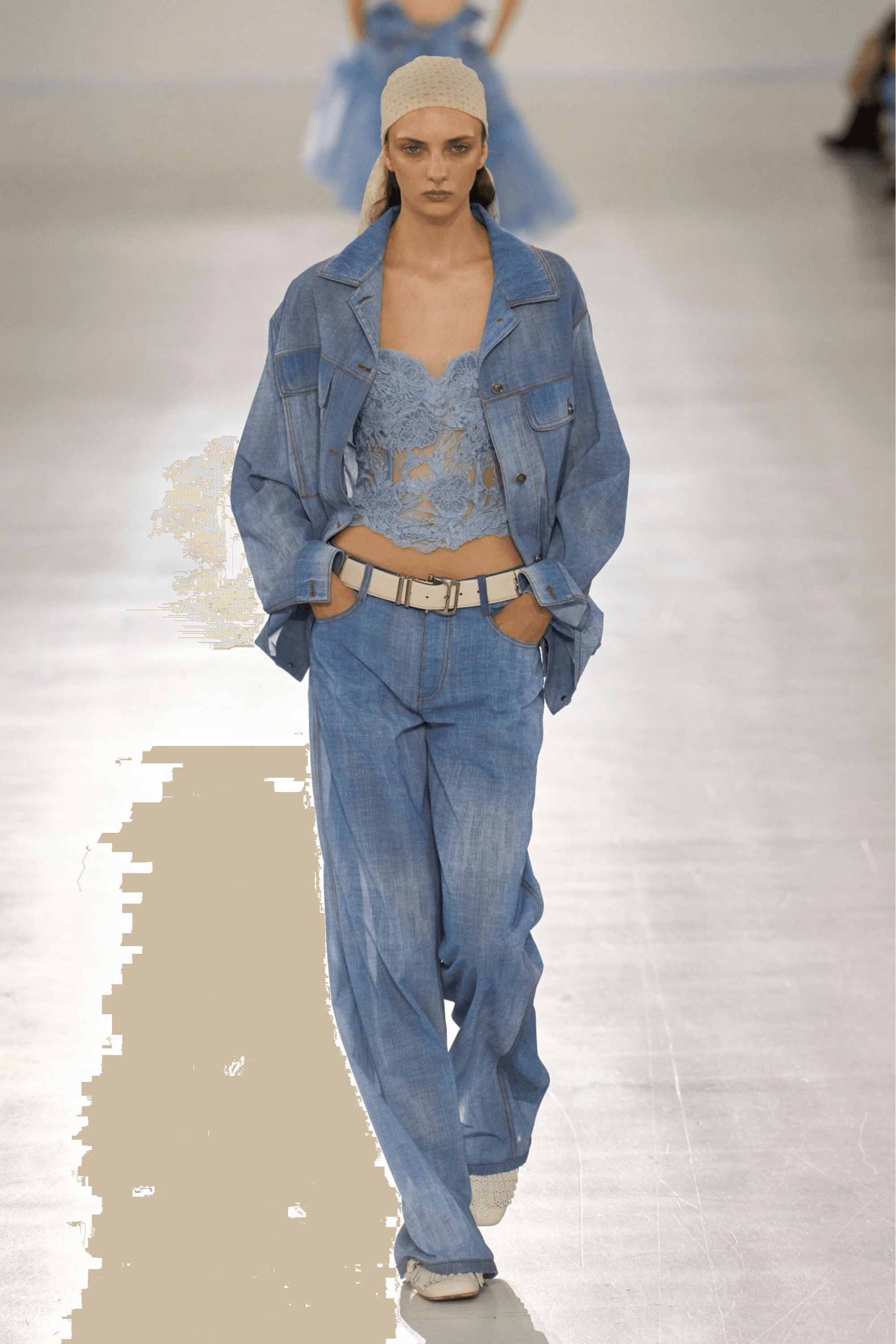
The silhouette landscape of 2026 is defined by a fascinating duality: the return of the low-rise and the enduring popularity of oversized, fluid shapes. Low-rise jeans, skirts, and even trousers are undeniably making a comeback, but with a key difference. It’s not the ultra-low-rise of the early 2000s, but a slightly more moderate, sophisticated take on the trend. Think lower waists, but with a focus on flattering cuts and comfortable fabrics.
Simultaneously, we’re continuing to see a strong preference for oversized, fluid silhouettes. Wide-leg pants, flowing dresses, and relaxed tailoring remain incredibly popular, offering a sense of comfort and ease. This isn’t just about aesthetics; it’s about a desire for clothing that feels good to wear, that allows for movement and self-expression. The contrast between these two trends is striking, and it speaks to the diverse needs and preferences of today’s consumer.
How do these seemingly opposing trends coexist? The key is mixing and matching. Pairing a low-rise bottom with an oversized sweater or blazer creates a balanced and modern look. It's about playing with proportions and finding what works best for your body type. There’s a definite interplay between bodycon and comfort, and the most successful looks will likely be those that strike a harmonious balance between the two.
We’ll also see a continued exploration of unconventional shapes and volumes. Asymmetrical hemlines, exaggerated sleeves, and sculptural silhouettes will add a touch of drama and individuality to 2026 wardrobes. The focus is on creating looks that are both visually interesting and comfortable to wear.
2026 Silhouette Keywords
- Low-rise - A continuation of the Y2K revival, low-rise bottoms – jeans, skirts, and trousers – are predicted to dominate, offering a stark contrast to the high-waisted styles of recent years. Expect to see variations in washes and fabrics, from classic denim to sleek leather.
- Wide-leg - Building on the comfort trend, wide-leg silhouettes are expected to remain popular across various garments, including pants, jumpsuits, and even dresses. This style often pairs well with more fitted tops for a balanced look.
- Fluid - Flowing fabrics and draping designs will be prominent, emphasizing movement and comfort; think silk slip dresses, bias-cut skirts, and relaxed-fit blouses. This aesthetic leans into a softer, more ethereal style.
- Oversized - Continuing the trend of comfortable and relaxed fits, oversized outerwear – think blazers, coats, and sweaters – will be key. Layering will be crucial, allowing for adaptability and personal expression.
- Bodycon - A counterpoint to the looser silhouettes, bodycon dresses and separates are making a comeback, often featuring interesting cutouts or textures. This trend is influenced by the ongoing celebration of body positivity and confidence.
- Asymmetrical - Expect to see asymmetrical hemlines, necklines, and detailing in dresses, tops, and skirts. This adds a modern and edgy touch to various outfits, offering a dynamic visual interest.
- Deconstructed - Designs featuring raw edges, exposed seams, and unconventional construction techniques will be increasingly visible. This trend reflects a desire for individuality and a rejection of overly polished aesthetics.
Color & Texture: Metallic Sheens & Digital Prints
The color palettes and textures dominating 2026 fashion are bold, futuristic, and undeniably eye-catching. Expect a significant emphasis on metallics – silver, chrome, and iridescent fabrics will be everywhere. These aren’t just accents; they’re being incorporated into entire garments, creating a shimmering, otherworldly effect. This metallic trend is a direct reflection of our fascination with technology and the digital world.
Digital prints, inspired by glitch art, virtual worlds, and the aesthetics of the metaverse, will also be prominent. These prints are often characterized by bold colors, distorted patterns, and a sense of visual chaos. They’re a way to express individuality and embrace the fluidity of digital identity. Marie Claire highlights the increasing use of 3D printing in fashion, which allows for the creation of incredibly intricate and unique textures.
Alongside the futuristic elements, we’ll also see a resurgence of textured fabrics like velvet and faux fur, but with a modern twist. These fabrics will be used in unexpected ways, often paired with metallic accents or digital prints. I’m curious to see if there’s a move away from natural fibers, like cotton and linen, in favor of synthetics that lend themselves to these futuristic effects and offer more design possibilities.
Color-wise, expect to see a mix of bold, saturated hues and muted, pastel shades. Electric blue, hot pink, and vibrant orange will be popular choices, alongside softer tones like lavender, mint green, and baby pink. The key is to create a sense of visual contrast and playfulness.
Accessories: Tech-Integrated & Maximalist
Accessories are set to be a major statement in 2026, leaning heavily into both tech integration and maximalism. Tech-integrated accessories – smart jewelry that tracks your fitness, clothing with embedded sensors that monitor your health, and AR-enabled eyewear that overlays digital information onto your field of vision – are gaining traction, though practical applications are still developing. These accessories are blurring the line between fashion and technology.
Maximalism is also key, with chunky jewelry, oversized bags, and statement belts taking center stage. More is more is the prevailing attitude. Layering necklaces, stacking rings, and wearing multiple bracelets will be commonplace. Bags will be large enough to carry everything you need – and then some – and belts will be wide and embellished with bold buckles.
We’ll also see a resurgence of headwear, from baseball caps and beanies to elaborate hats and headbands. Hair accessories, like scrunchies and barrettes, will continue to be popular, adding a touch of playfulness to any look. The goal is to create a complete and impactful outfit, where every accessory contributes to the overall aesthetic.
I’m not entirely convinced about the long-term practicality of some of these tech accessories. The battery life, durability, and cost are all potential concerns. However, they’re definitely a talking point and represent a glimpse into the future of fashion.
- Smart Jewelry: Tracks fitness and health data.
- Embedded Sensors: Monitor health metrics.
- AR Eyewear: Overlays digital information.
- Chunky Jewelry: Bold necklaces, rings, and bracelets.
- Oversized Bags: Large and practical.
- Statement Belts: Wide and embellished.
Menswear's Shift: Soft Tailoring & Digital Camo
Menswear in 2026 is undergoing a significant shift, moving away from rigid formality and embracing a more relaxed and expressive aesthetic. Soft tailoring – relaxed suits, unstructured blazers, and fluid trousers – will continue to be popular, offering a comfortable yet sophisticated look. This isn’t about abandoning tailoring altogether, but about reimagining it for a new generation.
Digital camouflage prints, inspired by video games, virtual worlds, and the aesthetics of the metaverse, will add a futuristic edge to menswear. These prints are often characterized by bold colors, distorted patterns, and a sense of visual disruption. They’re a way to express individuality and embrace the digital realm. WGSN notes that the blurring of lines between physical and digital spaces is heavily influencing menswear trends.
We’ll also see a blurring of gender lines, with men embracing traditionally feminine silhouettes and colors. Pastel shades, floral prints, and flowing fabrics will be increasingly common in menswear collections. This isn’t about men dressing like women, but about challenging traditional gender norms and embracing a more fluid approach to style. This trend reflects a broader cultural shift towards greater inclusivity and self-expression.
What does this mean for classic menswear staples? They’re not disappearing, but they’re being reinterpreted. The classic trench coat, for example, might be made from a lightweight, water-resistant fabric and paired with more casual separates. The key is to find ways to update these staples and make them feel relevant for today’s consumer.
Classic Menswear Staple vs. 2026 Interpretation
| Item | Classic Style (Pre-2026) | 2026 Trend – Y2K & AI Influence |
|---|---|---|
| Suit | Tailored, typically navy or charcoal grey, often wool. Focus on structured silhouettes and classic cuts. | Looser fits, potentially featuring iridescent or metallic fabrics. Expect bolder colors inspired by Y2K – think brighter blues, silvers, and even hints of pink. AI-driven pattern generation may lead to unique, digitally-inspired suiting textures. |
| Shirt | Crisp button-down, often white or light blue, made of cotton or linen. Emphasis on a clean, minimalist aesthetic. | Sheer or mesh layering pieces worn *over* graphic tees. Expect a return of bolder prints, potentially generated by AI to reflect individual style preferences. Silk and satin fabrics are becoming more prominent, as noted by trend reports. |
| Shoes | Leather loafers, oxfords, or classic sneakers in neutral tones. Focus on quality and durability. | Chunky sneakers continue to be popular, but with more experimental color blocking and material combinations. Platform soles, a key Y2K element, are making a comeback. Expect increased use of recycled materials in footwear production. |
| Accessories | Leather belts, minimalist watches, and subtle ties. Focus on understated elegance. | Visible branding and layered chains, reminiscent of early 2000s hip-hop. Digital accessories – like AR-enabled glasses – are predicted to gain traction, though widespread adoption is still developing. Small, brightly colored bags are also emerging as a key accessory. |
| Outerwear | Classic trench coat or a wool overcoat in neutral colors. | Bomber jackets in metallic finishes or with digitally printed designs. Puffer vests are also gaining popularity, often in vibrant, saturated colors. |
| Pants | Straight-leg or slightly tapered chinos or dress pants. | Baggy or wide-leg trousers, often low-rise, echoing Y2K silhouettes. Cargo pants are also being re-imagined with more refined fabrics and cuts. |
Illustrative comparison based on the article research brief. Verify current pricing, limits, and product details in the official docs before relying on it.
Street Style: Hyper-Personalization & AI-Generated Looks
Street style is becoming increasingly experimental and personalized, largely due to the influence of AI. AI-powered style apps are helping people create hyper-personalized looks based on their body type, preferences, and current trends. These apps analyze your wardrobe, suggest new outfits, and even recommend items to purchase. According to Who What Wear, the emphasis is on self-expression and creating a unique visual identity.
But the most intriguing development is the emergence of AI-generated fashion – outfits designed entirely by algorithms. These algorithms analyze vast amounts of data to identify emerging trends and create looks that are both stylish and innovative. While still in its early stages, AI-generated fashion has the potential to revolutionize the way we think about clothing and self-expression.
How will this impact individual expression? It’s a valid concern. If everyone is relying on AI to create their outfits, will we all end up looking the same? The key, I think, is to use AI as a tool, not as a replacement for personal style. AI can offer inspiration and suggestions, but ultimately it’s up to the individual to curate their own look.
We’re also seeing a greater emphasis on sustainability in street style. People are increasingly choosing to shop secondhand, upcycle their clothes, and support brands that prioritize ethical and environmental practices. Street style is no longer just about looking good; it’s about making a statement about your values.
Content is being updated. Check back soon.
Sustainable Futures: Circularity & Tech-Driven Solutions
The fashion industry is facing increasing pressure to become more sustainable, and 2026 will see a continued focus on circularity and tech-driven solutions. Circularity – reusing, repairing, and recycling clothing – will be a major focus, with brands offering repair services, take-back programs, and rental options. Consumers are increasingly demanding transparency and accountability from fashion brands.
Tech-driven solutions, such as AI-powered fabric sorting and 3D-printed clothing, will also play a role. AI can be used to identify different types of fabrics, making it easier to recycle them. 3D printing allows for the creation of customized clothing with minimal waste. However, the scalability of these technologies remains a challenge.
We’ll also see a greater emphasis on sustainable materials, such as organic cotton, recycled polyester, and innovative new fabrics made from plant-based sources. Brands are investing in research and development to find more sustainable alternatives to traditional materials. I think consumers are becoming more aware of the environmental impact of their clothing choices and are willing to pay a premium for sustainable options.
While significant progress is being made, the fashion industry still has a long way to go. The fast fashion model, with its emphasis on cheap, disposable clothing, remains a major problem. A truly sustainable fashion industry will require a fundamental shift in mindset, from a linear "take-make-dispose" model to a circular one.
Kentucky Derby 2026 fashion trends: Designers weigh in on hats, Zendaya and JFK Jr. https://t.co/pKrqIknl9Q 요즘 확실히 #패션유행 불어오네요.!
— Roa KIM ✨ (@RoaKIM440288) May 3, 2026
No comments yet. Be the first to share your thoughts!