
The 70s silhouette returns
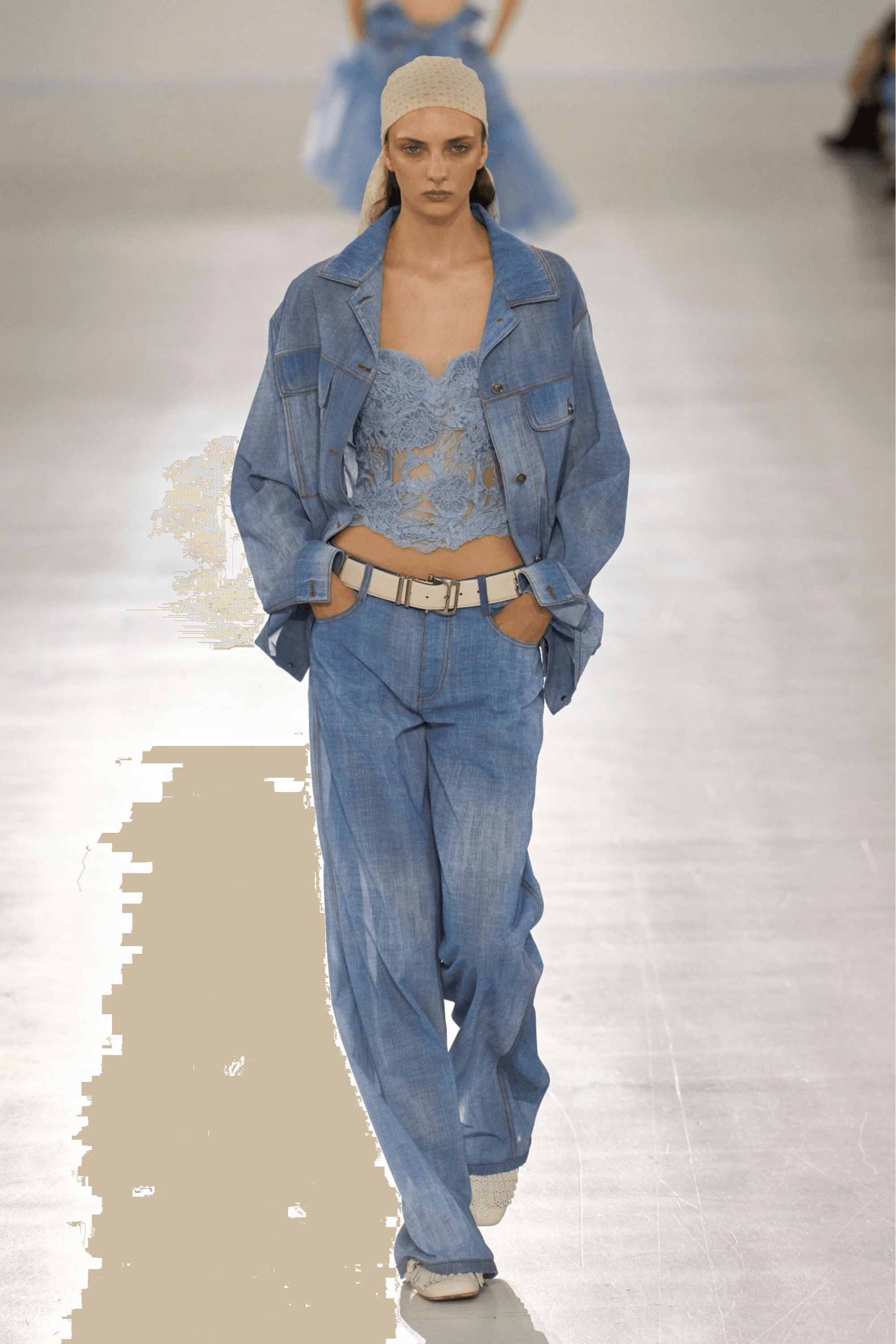
The 1970s weren’t defined by one single look, but rather a fascinating evolution. After the structured, often restrictive styles of the 60s, women embraced silhouettes that offered freedom and movement. Think A-line skirts that skimmed the body, wide-leg trousers that flared dramatically, and the endlessly flattering wrap dress. These shapes weren’t just about aesthetics; they reflected a broader cultural shift towards liberation and self-expression.
Fitted tops, often paired with those flowing bottoms, created a balanced look. This contrast between fitted and flared is something we’re already seeing hinted at in early 2026 runway previews. Designers are revisiting these forms, but with a modern sensibility – expect to see cleaner lines and updated fabrics. The decade didn't exist in a vacuum, though. The early 70s leaned heavily into bohemian influences, while the late 70s were dominated by the glamour of the disco scene.
It’s this duality that makes the 70s such a rich source of inspiration. The era understood how to play with proportion and texture, creating looks that were both comfortable and chic. We’re not seeing a direct copy-and-paste of 70s fashion for 2026, but rather a deconstruction and reimagining of those core silhouettes. The foundations laid in the 70s are proving remarkably durable, capable of supporting a whole new wave of design innovation.
Platform shoes: then and now
The platform shoe was the statement piece of the 1970s. From chunky wedges to towering stacked heels and cork platforms, these shoes weren’t just about adding height—they were about making a statement. They were about empowerment, and a visual representation of the decade's bold spirit. Designers like Vivienne Westwood were already experimenting with exaggerated proportions, and platforms fit perfectly into that aesthetic.
For 2026, platforms are back, but they're evolving. We’re seeing designers play with unexpected materials – lucite, metallic leather, even woven textures. The heel shapes are also becoming more adventurous, moving beyond the classic wedge to incorporate architectural curves and sculptural elements. The height is still there, but it’s often balanced by a more refined silhouette.
Styling is key to making 2026’s platforms work. Unlike the sometimes-kitschy styling of the 70s, designers are pairing them with more sophisticated pieces – tailored trousers, minimalist dresses, and even sheer fabrics. The goal isn’t to recreate the past, but to integrate the platform into a contemporary wardrobe.
Earth tones and texture
The 1970s palette was deeply rooted in nature. Mustard yellow, olive green, burnt orange, and chocolate brown were ubiquitous, reflecting a growing awareness of environmentalism and a desire for a more grounded aesthetic. These colors were often paired with natural textures like corduroy, suede, and knitwear, creating looks that were both warm and inviting.
In 2026, earth tones are making a strong comeback, but with a twist. Designers are experimenting with more saturated hues and unexpected fabric combinations. We’re seeing burnt orange paired with electric blue, and olive green alongside hot pink. It’s a bolder, more confident take on the 70s aesthetic.
Corduroy is definitely having a moment, but it's not the same corduroy of the past. Designers are using it in unexpected ways – tailored blazers, wide-leg trousers, and even dresses. Suede is also appearing in 2026 collections, but often in the form of accessories like boots and bags. The emphasis is on texture and tactile appeal, adding depth and dimension to modern looks.
The enduring wrap dress
Diane von Furstenberg's wrap dress is arguably the most iconic garment of the 1970s. It was revolutionary for its time, offering a flattering silhouette that suited a variety of body types, and – crucially – it was easy to wear. It empowered women to feel confident and stylish without sacrificing comfort.
For 2026, the wrap dress is being reinterpreted in countless ways. Designers are experimenting with different lengths – from mini to maxi – and a wide range of fabrics, including silk, linen, and even denim. Embellishments like ruffles, fringe, and embroidery are also adding a contemporary touch.
The question is whether the ease of wear that defined the original wrap dress will remain a priority. Some designers are playing with more complex constructions and dramatic silhouettes, while others are staying true to the original’s simplicity. Either way, the wrap dress continues to be a timeless and versatile piece.
Designers & 70s Echoes
- Diane von Furstenberg continues to champion the wrap dress, a style she popularized in the 1970s. Her current collections frequently feature updated iterations of the silhouette, maintaining the flattering and versatile design.
- Tory Burch’s Spring/Summer 2024 collection showcased several dresses with distinctly 70s-inspired wrap detailing, including tie-front closures and flowing fabrics reminiscent of the era.
- Chloé, under Gabriela Hearst, presented a Fall/Winter 2024 collection that included dresses with soft draping and wrap-style closures, evoking the bohemian aesthetic of the 1970s.
- Etro consistently incorporates paisley prints and flowing silhouettes into its designs. Their recent collections feature wrap dresses and skirts that directly reference 70s style, particularly the use of vibrant colors and patterns.
- Isabel Marant’s Spring/Summer 2024 show included numerous pieces with a distinctly 70s feel, including wrap dresses in suede and knit materials, often paired with platform shoes.
- Self-Portrait has been utilizing wrap-style detailing in their dresses and separates for several seasons. Their Fall/Winter 2024 collection features wrap dresses with lace and sheer paneling, updating the 70s silhouette for a modern audience.
- Ulla Johnson often features flowing dresses and romantic silhouettes. Her Spring/Summer 2024 collection included dresses with wrap-inspired closures and detailing, rendered in earthy tones and natural fabrics, mirroring the 70s aesthetic.
Bold prints and patterns
The 70s were a riot of prints and patterns. Large-scale florals, psychedelic swirls, and geometric designs were everywhere, reflecting the decade's free-spirited and experimental vibe. These patterns weren’t subtle; they were meant to make a statement. A lot of this was driven by the textile innovation of the time, making more complex prints achievable.
In 2026, we’re seeing a similar embrace of bold prints, but with a more refined aesthetic. Designers are drawing inspiration from the 70s, but they’re creating new variations that feel fresh and modern. Instead of directly replicating vintage prints, they’re using the 70s aesthetic as a starting point for their own creations.
I'm particularly interested to see if we'll see a return to more hand-painted or artisanal-looking prints. There's a growing appreciation for craftsmanship and individuality, and that could translate into a demand for prints that feel unique and special. The resurgence of crochet and macrame suggests a broader interest in handmade textures and patterns.
Accessories: belts, scarves, and jewelry
Accessories were crucial to completing any 70s look. Wide belts cinched waists and added definition, flowing scarves added a touch of bohemian flair, oversized sunglasses shielded eyes from the sun, and statement jewelry – long necklaces, bold earrings, and chunky bracelets – completed the ensemble.
For 2026, accessories are being updated with a focus on both maximalism and minimalism. We’re seeing a return to wide belts, but they’re often more sculptural and architectural than their 70s counterparts. Scarves are being used in creative ways – as headbands, neckties, and even bag accessories.
Statement jewelry is also making a comeback, but with a more modern sensibility. Designers are playing with geometric shapes, bold colors, and unexpected materials. I think belts will be huge again, but maybe wider and more sculptural, functioning as both a practical and decorative element. It’s about finding the right balance between making a statement and maintaining a sense of sophistication.
Addison Rae Songs and their next milestone.
— kieran 🩵🎧ྀི (@AddiSpotify) January 27, 2026
Diet Pepsi — 700M (July 5th, 2026)
Fame Is A Gun — 300M (March 28th, 2026)
Aquamarine — 100M (April 2nd, 2026)
Headphones On — 90M (January 29th, 2026)
Obsessed — 70M (October 1st, 2026)
High Fashion — 50M (February 10th, 2026) pic.twitter.com/j5Idi1ASnP
Menswear influence and gender lines
The 1970s were a pivotal decade for gender fluidity in fashion. Women began to adopt elements of menswear – trousers, blazers, jumpsuits – challenging traditional notions of femininity and embracing a more androgynous aesthetic. This trend was fueled by the feminist movement and a growing desire for equality.
This blurring of gender lines continues to be a major influence in 2026 fashion. Designers are pushing the boundaries even further, creating collections that are intentionally gender-neutral or gender-bending. We’re seeing more and more women wearing traditionally masculine pieces – oversized suits, tailored trousers, and even work boots – and vice versa.
The approach isn't always about outright androgyny. Sometimes it’s about subtle borrowing – a woman wearing a blazer with traditionally feminine details, or a man incorporating a floral print into his outfit. The key is to challenge expectations and create looks that are both individual and empowering. This trend is deeply connected to the broader cultural conversation around gender identity and expression, and fashion is playing a significant role in shaping that conversation.
No comments yet. Be the first to share your thoughts!