

Runway to Reality: DFW 2026 Vision
Digital Fashion Week 2026 aims for a fully immersive, globally-distributed fashion experience. The event focuses on the intersection of fashion and technology. Initial announcements highlight AI, the metaverse, and sustainable practices, themes shaping the fashion industry.
This year's event features a multi-city approach, with showcases in Taipei and New York. Digital Fashion Week (DFW) complements traditional fashion weeks, offering a platform to experiment beyond physical limitations. It aims to democratize access to high fashion and provide designers with new creative outlets.
DFW aims to explore the future of fashion. Early indicators, including participating designers and showcased technologies, suggest an effort to move beyond digital garment representations. The intention is to create new fashion experiences. Execution will be key.

The Metaverse Takes Center Stage
The metaverse is now a venue for fashion shows and brand activations. Platforms like Decentraland and The Sandbox host virtual runways, enabling designers to present collections globally without physical space limitations. Digital Fashion Week integrates showcases within these virtual worlds.
Metaverse show interactions vary. Some are passive, with viewers watching as avatars. Others are interactive, allowing attendees to explore virtual showrooms, use augmented reality filters to "try on’ clothes, and purchase digital garments directly on the platform. The ‘try-on" functionality is still developing, with quality varying between platforms.
Accessibility is a major benefit. Traditional fashion shows are exclusive, limited to industry insiders. Metaverse shows are theoretically open to anyone with an internet connection, democratizing fashion and allowing wider engagement with designs. However, access to technology like VR headsets and powerful computers remains a barrier for some.
The long-term implications of this shift are worth considering. Will metaverse fashion shows become standard? Will they rival traditional runway shows in influence and prestige? Early signs are encouraging, and the integration with Digital Fashion Week suggests this trend will continue.
AI Designers and Generative Fashion
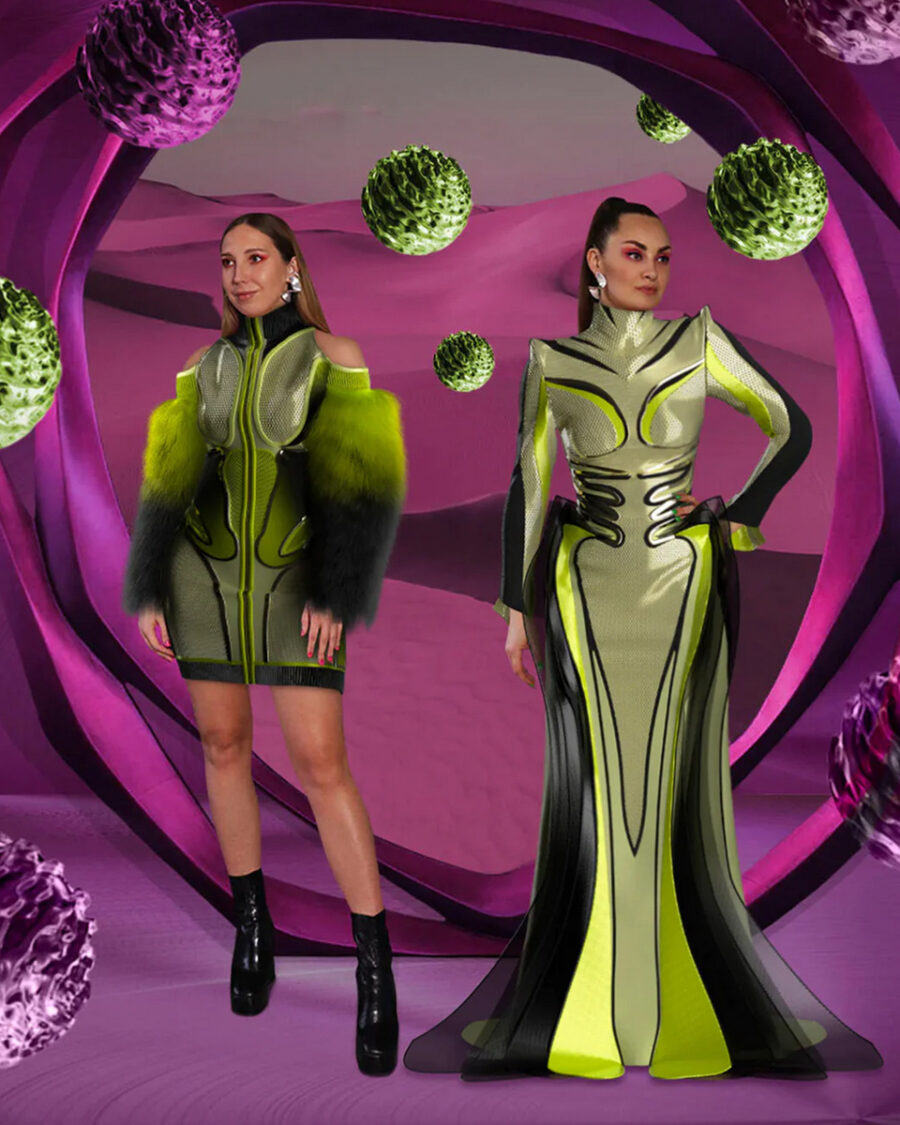
Artificial intelligence is changing fashion design. AI algorithms generate new designs, predict trends, and personalize clothing recommendations. Digital Fashion Week 2026 features designers experimenting with AI-assisted design tools.
AI models are trained on fashion image datasets and prompted to create new designs. AI can generate entire collections or individual garment details, serving as a tool for creative exploration. A UN Web TV discussion, “Fashioning the Future: AI Design for People and Planet,” addresses this trend.
AI-generated fashion raises ethical concerns. Copyright ownership for AI designs is a major issue. Questions about originality—whether AI creates something truly new or remixes existing ideas—also arise. The potential for job displacement, with AI potentially replacing human designers, needs addressing.
Digital Garments and Wearable NFTs
Digital garments, existing only in the digital realm, are gaining popularity, especially among younger consumers. Often represented as NFTs (Non-Fungible Tokens), they provide proof of ownership and allow users to collect and trade digital fashion items. They offer a way to express individuality and create online identities on metaverse platforms and social media.
The digital fashion market is growing rapidly. Prices range from a few dollars for accessories to thousands for limited-edition designer pieces. Platforms like DressX and RTFKT Studios offer digital garments and accessories. Some pieces are aesthetic, while others have utility within specific metaverse environments.
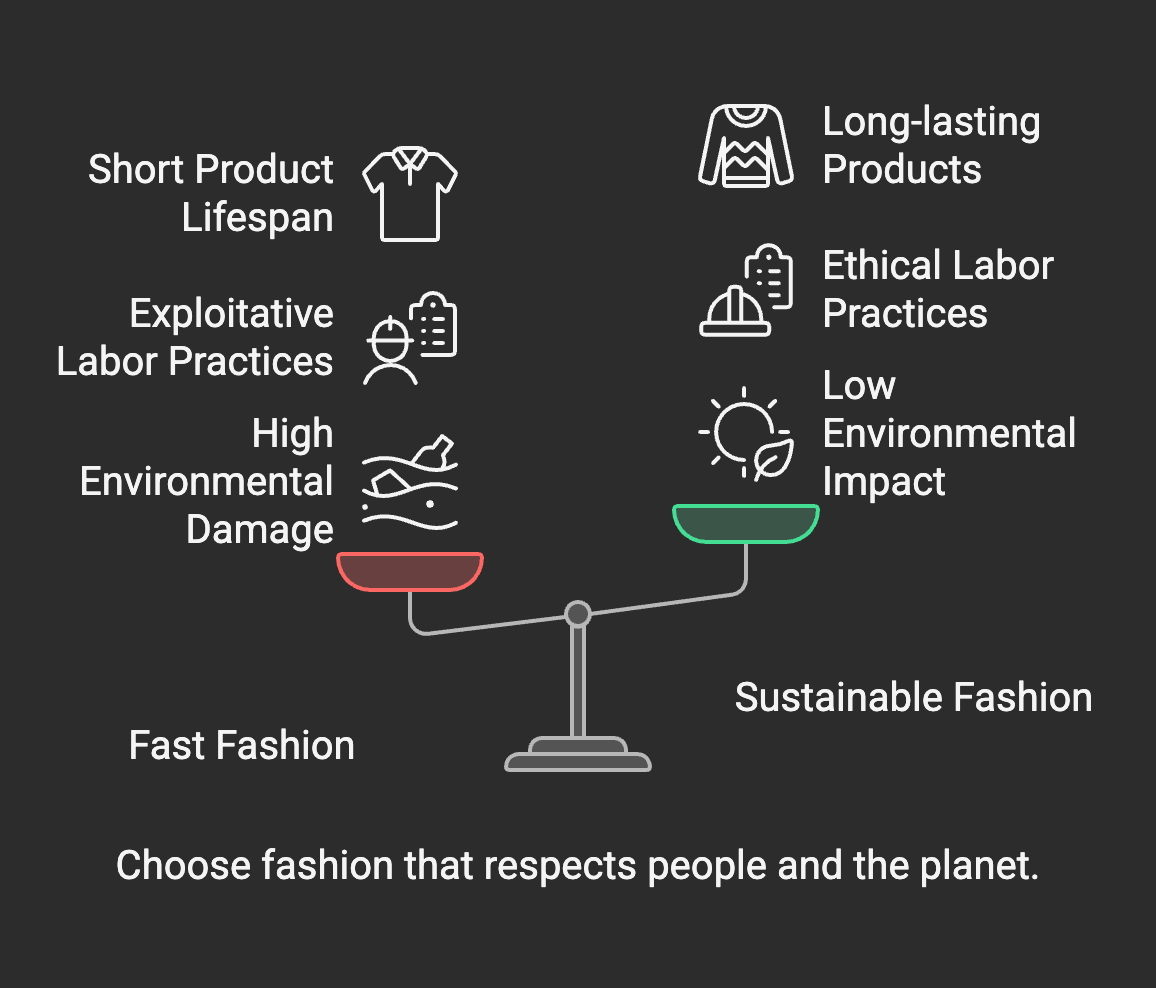
Interoperability, the ability to use digital garments across platforms, is a challenge. Most digital garments are currently tied to specific metaverse platforms, limiting usability. Efforts to develop interoperability standards are ongoing. Digital fashion has a lower environmental impact than traditional fashion.
Whether this is a sustainable market or a fleeting trend is uncertain. NFT hype has cooled, but digital ownership remains strong. Digital fashion is likely to evolve and become an important part of the fashion ecosystem, representing a shift in how clothing and self-expression are perceived.
Content is being updated. Check back soon.
The Tech Behind the Shows: Tools & Platforms
Creating virtual fashion shows requires technological infrastructure. Rendering engines like Unreal Engine and Unity create virtual environments, providing graphical fidelity to showcase garments. These engines produce visuals but require powerful hardware.
Motion capture technology translates real-life model movements into the virtual world for natural animations, enhancing the viewing experience. Motion capture quality varies, with some systems offering greater precision. Rendering and motion capture must be synchronized for a seamless illusion.
Supporting large virtual events requires bandwidth and server capacity. Hosting platforms must handle many concurrent users without
Comparison of Platforms for Virtual Fashion Shows (2026)
| Platform | Ease of Use | Customization Options | Scalability | Community Support |
|---|---|---|---|---|
| Spatial | Generally user-friendly, particularly for those familiar with 3D environments. Offers intuitive interface. | Moderate. Allows for environment customization and asset integration, but can be limited without advanced development skills. | Good. Spatial is designed to handle a reasonable number of concurrent users, suitable for standard fashion show audiences. | Growing. Spatial has a developing community, with resources and support available, but it isn't as robust as more established metaverse platforms. |
| Decentraland | Steeper learning curve. Requires understanding of blockchain technology and navigating a complex virtual world. | High. Decentraland offers extensive customization possibilities, allowing for fully bespoke environments and experiences. Users can create and import their own assets. | High. Decentraland is designed for large-scale events and can theoretically accommodate a very large audience, though performance can be affected by network congestion. | Strong. Decentraland boasts a large and active community, with extensive documentation and peer support available. |
| Custom-Built Solutions (e.g., using Unreal Engine/Unity) | Highly variable. Depends entirely on the development team and the complexity of the project. | Extremely High. Offers complete control over every aspect of the virtual environment and experience. | Potentially unlimited, but requires significant infrastructure and optimization to handle large audiences. | Limited initially. Community support relies on the development team and any external forums created. |
| Roblox | Relatively easy to use, particularly for designers familiar with the platform's building tools. | Moderate. Roblox Studio allows for considerable customization, but within the constraints of the platform's aesthetic and scripting language. | Good. Roblox is capable of supporting large concurrent users, although performance can be a factor. | Very Strong. Roblox has a massive and active user base, providing a built-in audience and extensive community resources. |
| Somnium Space | Moderate learning curve. Requires some familiarity with VR and metaverse concepts. | High. Offers significant customization options for land and avatar creation. Supports importing custom assets. | Moderate to High. Scalability depends on land ownership and server capacity. Can handle a substantial audience with proper optimization. | Moderate. Growing community with active developers and landowners. |
Illustrative comparison based on the article research brief. Verify current pricing, limits, and product details in the official docs before relying on it.
Accessibility and Inclusivity in Digital Fashion
Digital fashion has the potential to be a much more accessible and inclusive industry than traditional fashion. Virtual events can overcome physical limitations, allowing people with disabilities to participate in fashion shows and experiences that would otherwise be inaccessible to them. The ability to create custom avatars also allows individuals to express their identities in ways that may not be possible in the real world.
The potential for creating more diverse and representative avatars and models is also significant. Designers can create avatars of all shapes, sizes, and ethnicities, challenging traditional beauty standards and promoting inclusivity. This is a powerful message, and it’s one that resonates with many consumers. However, it’s important to ensure that this inclusivity is genuine and not just performative.
Despite these benefits, there are still barriers to entry. Access to the necessary technology – computers, internet connections, VR headsets – remains a challenge for some. The digital divide is a real issue, and it’s important to address it if we want to ensure that digital fashion is truly accessible to everyone. I think it’s crucial to be critical and acknowledge that digital spaces can also perpetuate existing inequalities.
Beyond the Runway: Virtual Shopping Experiences
Digital fashion weeks are increasingly integrating shopping experiences directly into the virtual events. Attendees are now able to purchase items directly from the virtual runway, often using cryptocurrency or other digital payment methods. This creates a seamless shopping experience, allowing consumers to acquire the latest designs instantly.
Virtual try-on features are also becoming more common, allowing consumers to see how garments would look on them before making a purchase. These features use augmented reality technology to overlay the garment onto a live video feed of the user. While the technology is still evolving, it’s becoming increasingly accurate and realistic. The supply chain is adapting, with some brands now offering both physical and digital versions of their garments.
Is this just a gimmick, or a genuine shift in how we shop? I believe it’s a bit of both. The novelty factor is certainly appealing, but the convenience and personalization offered by virtual shopping experiences are also significant. It’s likely that we’ll see a hybrid model emerge, with consumers seamlessly transitioning between the physical and digital worlds.
مما نقلنا إلى...... رقمنة الأقمشة
— Diar⚡Crypto (@AlDiar_Central) May 2, 2026
Fabric Digitization: تحويل القماش إلى Data (Texture + Physics).
محاكاة واقعية لحركة القماش داخل 3D.
من خلال العديد من التطبيقات 🆕
Virtual Fashion Shows
Metaverse Fashion Week
Digital Influencers
Holographic Displays


No comments yet. Be the first to share your thoughts!