
Y2K's Grip on 2026
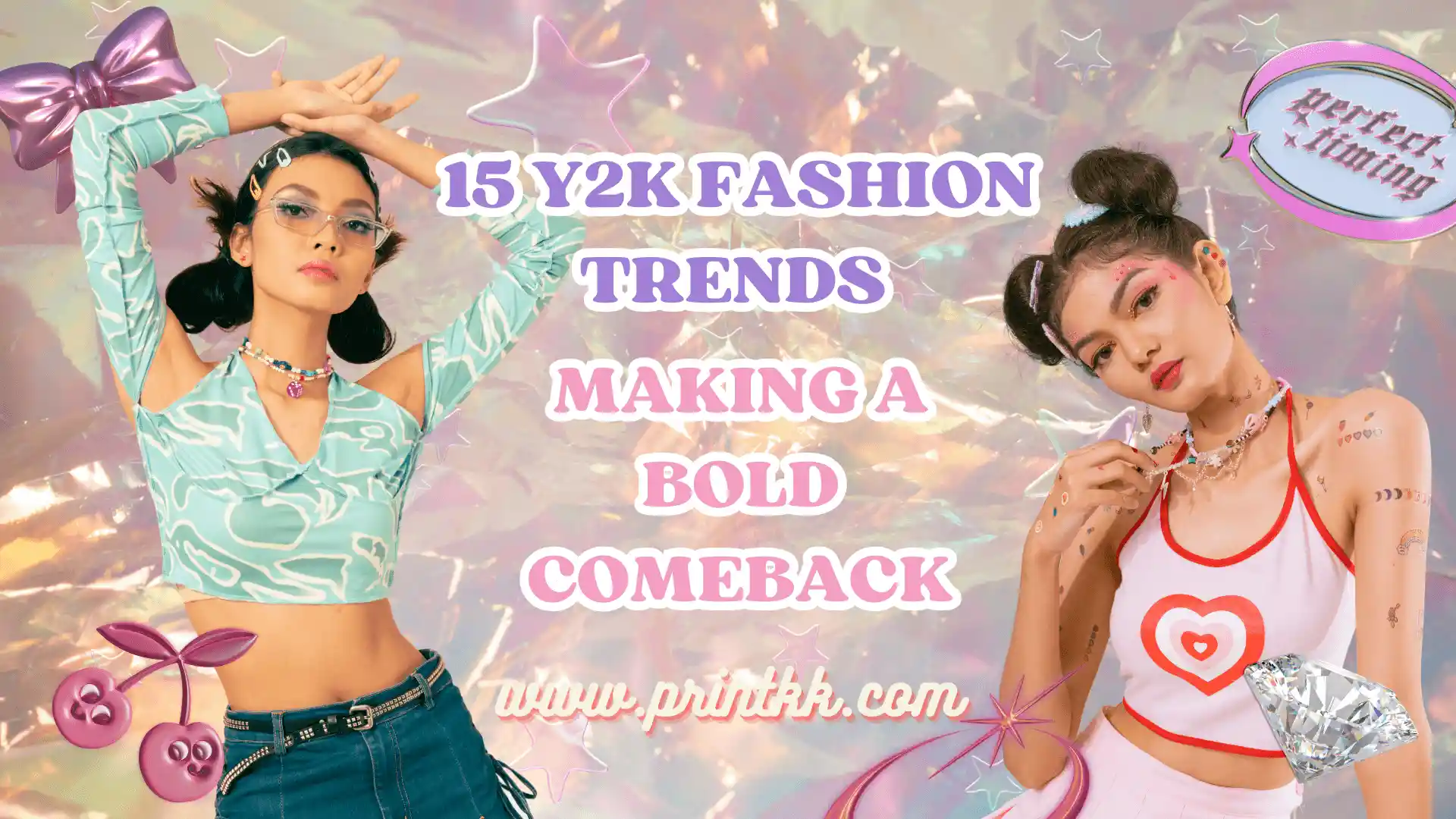
The early 2000s are back. What began as a subtle resurgence in the early 2020s is now a full-blown Y2K revival, set to dominate 2026 fashion. It’s more than just low-rise jeans and baby tees; this wave feels different, reinterpreted by a generation that lived through the original era.
The first Y2K wave embraced the new millennium’s optimism. In 2026, there’s a layer of irony and self-awareness. We're playing with the past, subverting it, and making it our own. Expect sheer tops with tailored trousers, or chunky sneakers with feminine dresses—a deliberate mix of aesthetics.
Nostalgia is a powerful force, especially for millennials and Gen Z seeking comfort in a changing world. The Style Insider’s recent YouTube video highlights the continued influence of this era. Y2K fashion delivers on the current desire for playful, expressive style.
The initial resurgence replicated iconic looks from Britney Spears and Christina Aguilera. Now, designers build upon those foundations with new materials and silhouettes. We're seeing more inclusive and body-positive interpretations of Y2K style, addressing criticisms of its past beauty standards.
AI Style: The New Muse
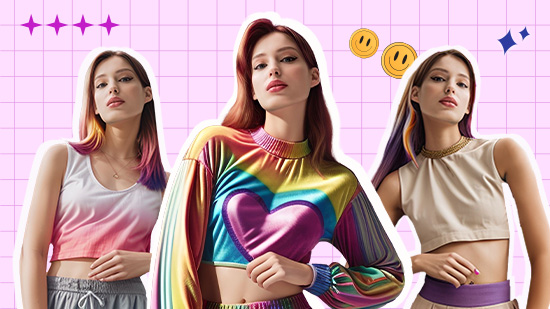
Artificial intelligence is shaping fashion. AI predicts trends and generates new designs, becoming an indispensable tool for designers and stylists. It’s changing how clothes are made and what we choose to wear.
AI platforms analyze vast data—social media, runway shows, sales figures—to identify emerging trends accurately. Brands can respond to consumer demand faster, minimizing waste and maximizing profits. This raises questions about originality and creativity.
Personalized styling apps are popular. They use AI algorithms to analyze your body type, style preferences, and wardrobe for customized outfit recommendations. Some apps let you upload photos for styling suggestions. The ethical implications are worth considering: is this fashion democratization or a more homogenous aesthetic?
A debate exists on whether AI will empower or stifle creativity. Some argue it frees designers from mundane tasks for innovative work. Others worry about a decline in originality and style homogenization. It’s a complex issue.
- Stitch Fix: Offers personalized styling services using AI.
- Amazon Style: Uses AI to recommend clothing based on your preferences.
- Vue.ai: Provides AI-powered visual search and recommendation tools for retailers.
Spring Summer 2026 Fashion Trends Get ready for a fresh new season with these on-trend hairstyles and makeup techniques. This spring and summer, it's all about subtle contrast and effortless glamour. Try a soft, natural look with subtly defined brows or go bold with bright lip… pic.twitter.com/awoTxcjaAU
— MakeOutfit (@makeOutfitCom) May 1, 2026
Denim's Dramatic Shift
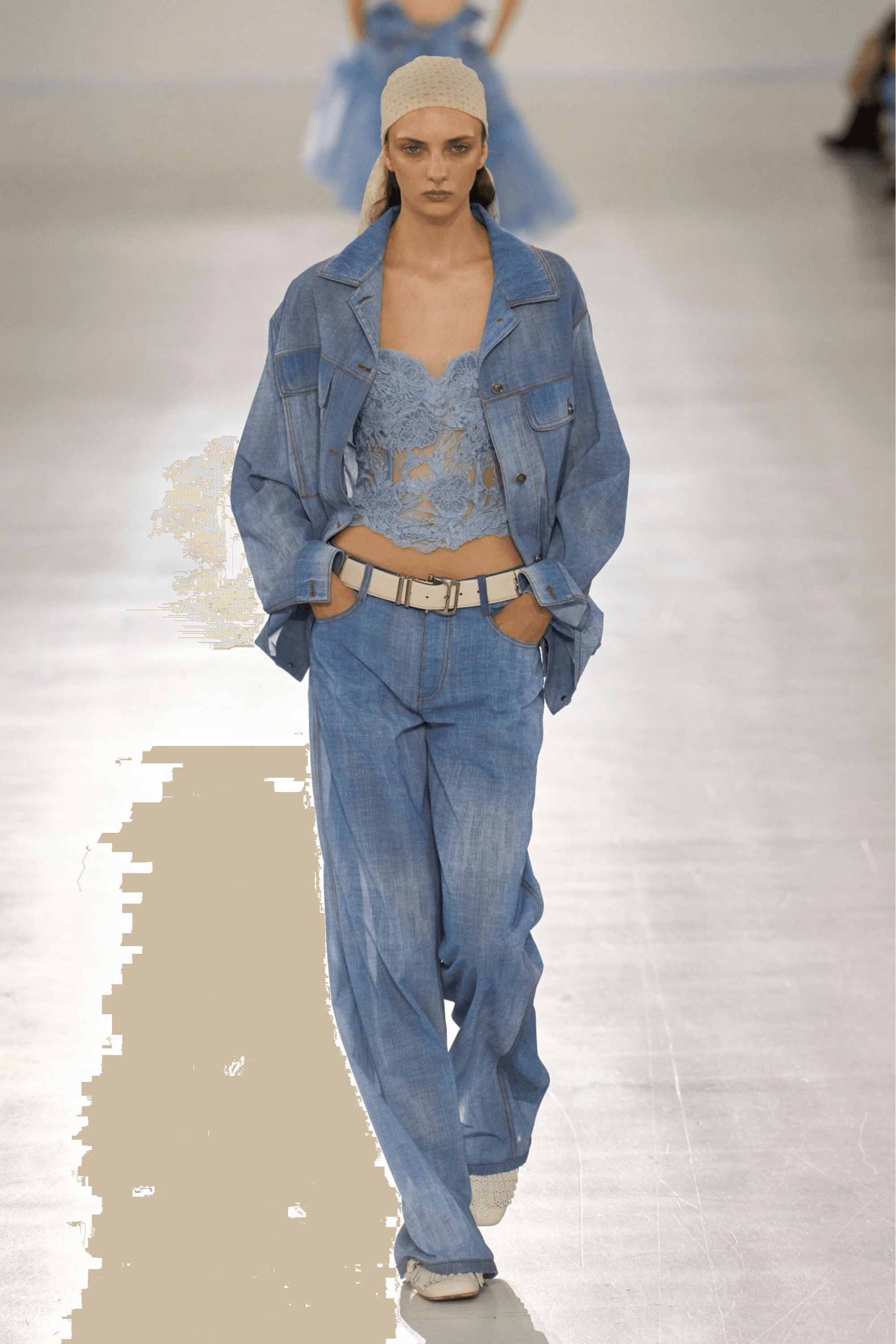
Denim constantly evolves. In 2026, expect a departure from skinny jeans. Wider leg styles—relaxed flares, bootcut, and wide-leg trousers—are taking center stage, reflecting a trend towards comfort and ease.
Beyond wider legs, expect experimentation with denim silhouettes like asymmetrical cuts, patchwork designs, and AI-generated prints. Designers are pushing denim's boundaries, creating stylish and unique pieces.
Sustainability plays a major role in denim’s evolution. Demand for eco-friendly denim is growing, leading to innovative practices like using recycled denim, organic cotton, and water-saving dyeing techniques. Brands are increasingly transparent about production, and consumers reward ethical and environmental responsibility.
Sheer Layers and Digital Florals
Transparency defines 2026 fashion. Sheer fabrics—from delicate chiffons to gossamer organzas—are layered over bolder pieces, creating ethereal intrigue. This trend plays with revealing and concealing, textures and proportions.
These sheer layers are often paired with digital floral prints. These aren’t grandmother’s florals; they’re bold, almost glitchy patterns created using AI and digital design tools. The contrast between delicate fabric and futuristic print creates a striking visual effect, a deliberate clash of worlds.
This combination speaks to a desire for both vulnerability and strength. Sheer fabrics represent a willingness to expose oneself, while bold prints convey confidence and individuality. It’s a powerful aesthetic.
Menswear: Soft Tailoring & Techwear Fusion
Menswear in 2026 balances comfort and functionality. We're moving away from structured tailoring towards softer, more relaxed silhouettes like oversized blazers, fluid trousers, and knit polos.
Techwear elements are integrated into menswear, creating a fashionable and practical look. This includes features like cargo pockets, waterproof materials, and adjustable straps. It’s clothing that adapts to any situation.
Color palettes are muted, focusing on neutrals like gray, navy, and olive green. Pops of neon—particularly electric blue and neon green—are used as accents for energy and individuality. Layering is key for versatility and personalization.
Accessories: Maximalism Rules
After years of minimalist accessories, 2026 is about making a statement. Chunky jewelry, bold belts, and statement bags are essential. More is more.
The Y2K influence is strong in accessories. Baguette bags, butterfly clips, and chunky platform sandals are back, updated with modern materials and designs. Expect iridescent finishes, metallic accents, and unexpected textures.
Layering is key. Pile on necklaces, stack rings, and mix styles. The goal is a bold, expressive look that’s uniquely your own.
- Chunky chain necklaces
- Oversized hoop earrings
- Baguette bags with metallic details
- Platform sandals and boots
- Bold, colorful belts
2026 Accessory Forecast
- Chunky Platform Sandals - Building on the Y2K revival, expect super-chunky platform sandals to dominate. Look for styles in metallic shades or with playful embellishments. Brands like Steve Madden and Dr. Martens are already offering variations.
- Micro Sunglasses - The smaller, the better. Inspired by the early 2000s, micro sunglasses in bold colors and futuristic shapes will continue to be popular. Le Specs and Quay Australia offer affordable options.
- Baggy Jeans with Cargo Pockets - A key component of the merging Y2K and AI-influenced street style, baggy jeans with multiple cargo pockets are practical and on-trend. Brands like Dickies and Carhartt WIP are known for durable cargo pants and jeans.
- Beaded Phone Charms & Straps - Personalization is key, and beaded phone charms and straps are a fun way to express individuality. Expect intricate designs and a focus on self-expression. Etsy is a great source for handmade options.
- Metallic Shoulder Bags - Small, structured shoulder bags in metallic finishes (silver, gold, rose gold) are set to be a staple. These complement both Y2K aesthetics and the sleek, futuristic vibe of AI-generated fashion. Brands like JW PEI offer popular metallic bag options.
- Oversized Graphic Hoodies - Comfort and bold statements are crucial. Oversized graphic hoodies, often featuring digitally-inspired or abstract designs, will be popular, reflecting the influence of AI art. Adidas and Champion offer a wide range of graphic hoodies.
- Chunky Chain Belts - Adding an edge to any outfit, chunky chain belts are a continuation of the Y2K trend. Look for silver or mixed metal options to pair with low-rise jeans or skirts. ASOS offers a variety of chain belts.
Color Palette: Digital Lavender & Chrome
The 2026 color palette mixes soft pastels and futuristic metallics. Digital Lavender is poised to be the color of the year, offering a calming yet optimistic vibe.
Chrome silver and other metallic shades add a touch of edge and reflect the increasing influence of technology on fashion. These metallics are being used in everything from clothing to accessories to footwear. We’re also seeing pops of neon green and electric blue, adding a jolt of energy to the palette.
Overall, the color palette for 2026 is about finding a balance between tranquility and excitement, between nature and technology. It’s a reflection of the complex and ever-changing world we live in.
Sustainable Style: Beyond Buzzwords
Sustainability is no longer a niche trend; it’s a fundamental requirement for the future of fashion. In 2026, we’re seeing a greater emphasis on circular fashion, upcycling, and ethical production practices. Consumers are demanding more transparency from brands, and they’re willing to pay a premium for sustainable products.
Brands are responding by investing in innovative technologies and materials. This includes using recycled fabrics, developing water-saving dyeing techniques, and implementing closed-loop production systems. The goal is to minimize waste and reduce the environmental impact of fashion.
Upcycling – transforming discarded materials into new and valuable products – is also gaining momentum. Designers are finding creative ways to repurpose old clothing, textiles, and accessories, giving them a new lease on life. It's a great way to reduce textile waste and create unique, one-of-a-kind pieces.
I believe the future of fashion has to be sustainable, or it doesn’t have a future at all. It’s not just about making ethical choices; it’s about creating a system that’s environmentally responsible and socially just. Consumers have the power to drive this change by supporting brands that prioritize sustainability and demanding greater transparency.
Emerging Fashion Currents
- Personalized Denim - Expect to see more bespoke denim options, driven by AI body scanning for perfect fits. Companies like Levi's are already offering custom jeans, and this will become more sophisticated.
- Sheer Fabrics & Layering - Continuing the Y2K influence, sheer tops, dresses, and skirts will remain popular, often layered over contrasting textures like ribbed knits or tailored separates. Brands like ASOS and Zara consistently feature sheer options.
- Metallic Accents & Textures - Silver and chrome detailing, inspired by the early 2000s, will be prominent in accessories and clothing. Look for metallic pleated skirts and statement jewelry from brands like H&M and Urban Outfitters.
- AI-Designed Prints & Patterns - AI tools are already being used to generate unique textile prints. Expect to see more clothing featuring these algorithmically created designs, potentially available through platforms like Redbubble or Society6.
- Sustainable Material Focus - A growing consumer demand for eco-conscious fashion, as discussed in recent Reddit threads on r/sustainablefashion, will drive increased use of materials like organic cotton (Patagonia), recycled polyester (Eileen Fisher), and innovative fabrics like Piñatex (Ananas Anam).
- Low-Rise Bottoms (Refined) - The low-rise trend from the early 2000s will persist, but with a more sophisticated approach. Think wider-leg trousers and skirts, paired with tailored tops, available at retailers like Mango and Topshop.
- Platform Footwear Evolution - Platform shoes, a Y2K staple, will evolve beyond chunky sneakers. Expect to see platform loafers, sandals, and even boots, offered by brands like Steve Madden and Dr. Martens.
- Digital Fashion Integration - While still emerging, expect increased experimentation with digital clothing and virtual styling, potentially through platforms like DressX, allowing users to 'wear' digital outfits in photos and videos.
No comments yet. Be the first to share your thoughts!