

Fashion reaches a breaking point
2026 is a weird year for fashion. We've moved past the era where sustainability was a marketing buzzword; now, it's a requirement. People are actually looking at the tags and questioning the ethics of a $5 t-shirt. I see this most clearly with younger shoppers who refuse to buy into the disposable cycle that defined the last two decades.
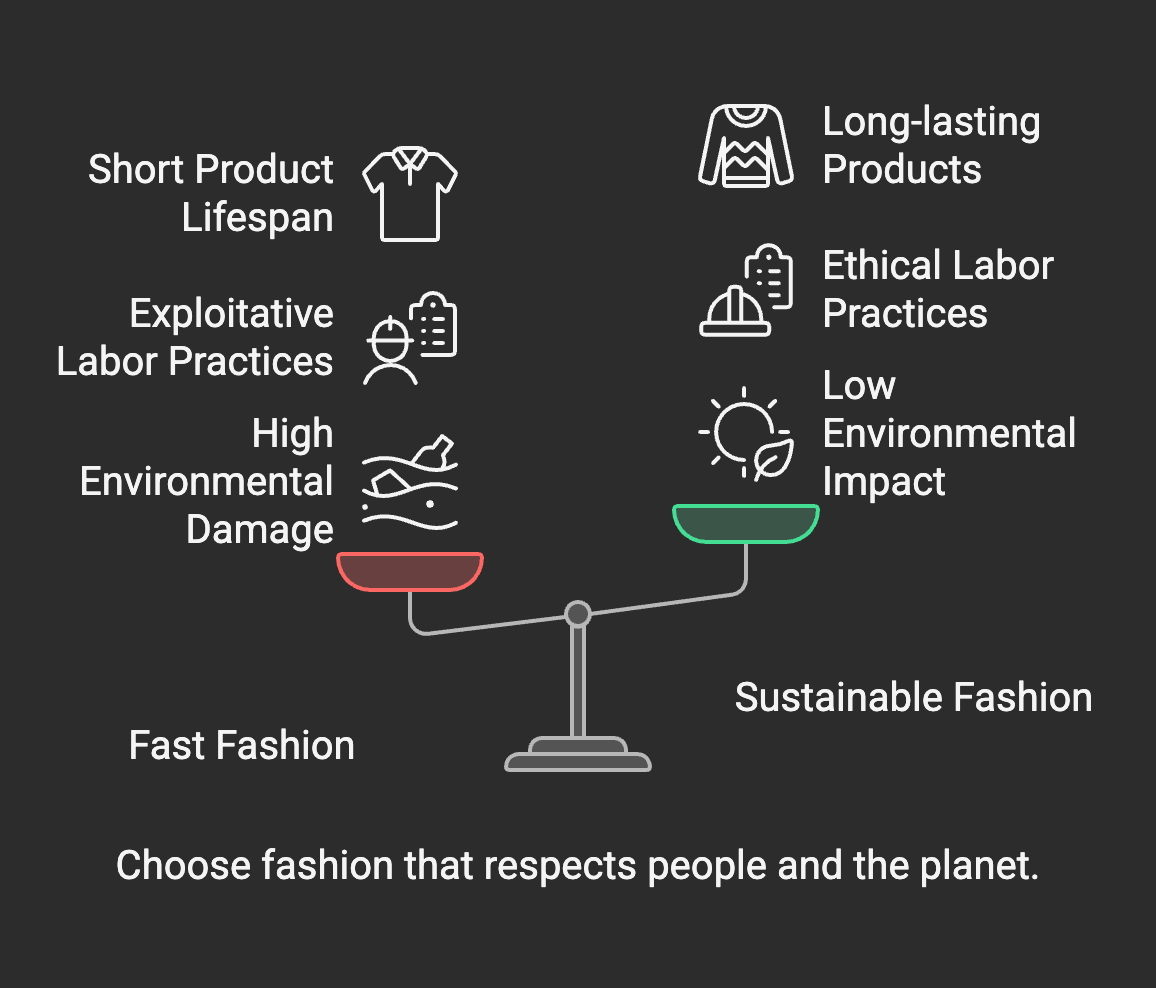
For decades, the industry has been built on a model of constant consumption – new trends, low prices, and disposable clothing. This has come at a significant environmental and social cost, from water pollution and textile waste to unethical labor practices. But the tide is turning. People are beginning to question where their clothes come from and how they’re made.
This article will explore this shift, comparing the enduring appeal of timeless classics with the future of fast fashion. We’ll look at how consumer demand is driving change, the innovations shaping the industry, and the choices we all have to make to create a more sustainable wardrobe. It’s a complex situation, but one with a lot of potential for positive change.
The rise of the conscious consumer
The driving force behind this change is undoubtedly the consumer. Gen Z and Millennials, in particular, are demonstrating a strong preference for brands that align with their values. They’re not just looking for affordable clothing; they’re looking for transparency, ethical production, and environmental responsibility. This isn't a niche trend, it's becoming mainstream.
At the Sustainable Fashion Forum in Portland this year, the mood was urgent. This wasn't just another B2B networking event; the data showed a massive spike in shoppers demanding to see the actual factory conditions. Brands are being cornered into showing their receipts on supply chains because 'trust us' no longer works.
Brands are responding, though at varying paces. Patagonia has long been a leader in sustainable practices, but we’re also seeing larger companies launching "conscious" collections and investing in more eco-friendly materials. However, consumers are becoming increasingly savvy and are able to distinguish between genuine efforts and greenwashing. Authenticity is key, and brands need to demonstrate a real commitment to sustainability to earn consumer trust.
Why classics are worth the investment
What defines a "timeless classic"? It's more than just a garment that doesn’t go out of style. It’s about quality construction, versatile design, and enduring appeal. These are pieces that can be worn year after year, adapted to different trends, and passed down through generations. Think of a well-made trench coat, a classic Breton stripe top, or a pair of dark wash jeans.
Across both womenswear and menswear, these staples remain consistent. For women, a little black dress, a cashmere sweater, and tailored trousers are cornerstones of a classic wardrobe. For men, a navy blazer, a white Oxford shirt, and chinos are equally essential. The key is to choose pieces that flatter your body type and reflect your personal style.
The concept of cost-per-wear is crucial here. While a high-quality classic might have a higher upfront cost than a fast fashion item, its longevity means you’ll wear it far more often, ultimately making it more economical. A $200 cashmere sweater worn 50 times is cheaper per wear than a $50 sweater worn twice. Plus, these pieces can be styled in countless ways – a blazer can be dressed up with trousers and heels or dressed down with jeans and sneakers. This versatility is what makes them so valuable.
Consider a classic white button-down shirt. Current trends might favor oversized fits or specific collar styles, but the core garment remains relevant. You can wear it tucked in, tied at the waist, layered under a sweater, or as a beach cover-up. Its adaptability is what makes it a true wardrobe workhorse.
- Womenswear staples like the little black dress, cashmere sweaters, and tailored trench coats.
- Menswear Classics: Navy blazer, white Oxford shirt, chinos, leather boots, well-fitted jeans
Timeless Classics for a Sustainable Wardrobe

Classic double-button trench coat design · Includes a belt for adjustable styling · Detachable hood for versatile wear
This timeless trench coat offers enduring style and functionality, making it a sustainable wardrobe staple.

Iconic original fit jeans · Durable denim construction · Available in a range of sizes, including plus
Levi's 501 jeans are a classic choice, known for their longevity and timeless appeal, offering a sustainable alternative to trend-driven denim.

Wool blend for warmth and comfort · Classic crew neck silhouette · OEKO-TEX STANDARD 100 certified for safety
This wool blend sweater provides classic comfort and style, with OEKO-TEX certification ensuring a more sustainable and responsible choice.

Stretch lace bodice for a flattering fit · Mock neckline for elegant coverage · 3/4 sleeves for sophisticated styling
This elegant gown offers timeless sophistication, designed for special occasions and built to last beyond fleeting trends.

Classic blazer silhouette · High-quality fabric for a refined look · Versatile for professional and casual wear
The Theory Staple Blazer is a testament to enduring design and quality craftsmanship, representing a wise investment in sustainable, long-lasting style.
As an Amazon Associate I earn from qualifying purchases. Prices may vary.
The struggle for fast fashion in 2026
Fast fashion currently faces a multitude of challenges. Supply chain disruptions, rising material costs, and increased consumer awareness are all putting pressure on the business model. The relentless pursuit of low prices is becoming increasingly unsustainable, both environmentally and ethically. Consumers are starting to demand more than just cheap clothing.
Many fast fashion brands are attempting to adapt. Resale programs, like H&M’s garment collecting initiative, are becoming more common, as are "conscious" collections made with recycled materials. But these efforts are often seen as superficial, a way to appease consumers without addressing the fundamental issues of overproduction and waste.
FashionNetwork USA’s 2026 trends report suggests a potential shift within fast fashion – a focus on texture and statement pieces. We might see more embellishments, unique fabrics, and bolder designs. However, I’m not sure about this one. It could be a genuine attempt to offer more durable, interesting clothing, or it could simply be a new tactic to encourage more frequent purchases – a way to create "micro-trends" that quickly become disposable.
The real question is whether fast fashion can truly embrace sustainability or if it will continue to rely on greenwashing and unsustainable practices. The pressure is on, but the industry’s track record suggests that significant change will be slow and incremental.
New fabrics and material innovation
The development of sustainable materials is critical to the future of fashion. We're seeing exciting innovations in recycled fabrics, organic cotton, and alternative materials like pineapple leather (Piñatex) and mushroom leather (Mylo). These materials offer a lower environmental impact than conventional options.
Recycled polyester is everywhere now, but it's a flawed solution—it still leaks microplastics into the water every time you run the laundry. Organic cotton is better for the soil, but it's still a thirsty crop. I'm keeping an eye on Piñatex and Mylo, though they're currently too expensive and rare to replace the basics in most closets.
The Sustainable Fashion Forum 2026 highlighted several emerging materials, including lab-grown cotton and fabrics made from algae. These innovations are still in their early stages of development, but they offer the potential to revolutionize the industry. However, cost remains a significant barrier to widespread adoption. Sustainable materials are often more expensive than conventional options, which can make them less appealing to fast fashion brands.
- Recycled polyester made from bottles, which helps with landfill waste but still sheds microplastics.
- Organic Cotton: Grown without harmful pesticides, requires substantial water.
- Piñatex: Leather alternative made from pineapple leaf fibers.
- Mylo: Leather alternative grown from mushroom mycelium.
Sustainable Fabric Comparison: A Qualitative Decision Matrix
| Fabric | Environmental Impact | Durability | Cost | Aesthetic Qualities |
|---|---|---|---|---|
| Organic Cotton | Low to Medium (dependent on water usage & farming practices) | Medium | Medium to High | Versatile, natural feel, widely accepted |
| Recycled Polyester | Low (reduces reliance on virgin polyester) | Medium to High | Medium | Can mimic many textures, but may lack the drape of natural fibers |
| Tencel (Lyocell) | Low (produced in a closed-loop system) | High | Medium to High | Soft, drapes well, known for breathability |
| Piñatex (Pineapple Leaf Fiber) | Low (utilizes agricultural waste) | Medium | High | Unique texture, leather-like appearance, can be limiting in design |
| Mushroom Leather (Mylo/Muskin) | Very Low (rapidly renewable resource) | Medium | Very High | Emerging material, leather-like, currently limited availability & color options |
| Hemp | Low (requires minimal water & pesticides) | High | Medium | Durable, breathable, can have a coarser texture |
| Linen | Low (flax plant requires minimal inputs) | High | Medium to High | Breathable, wrinkles easily, classic aesthetic |
Illustrative comparison based on the article research brief. Verify current pricing, limits, and product details in the official docs before relying on it.
The Resale Revolution & Circularity
The resale market is booming, with platforms like ThredUp, Poshmark, and The RealReal experiencing significant growth. This is a win-win for consumers and the environment. Buying secondhand reduces demand for new clothing, extending the lifespan of existing garments and reducing textile waste.
The concept of circular fashion goes beyond resale. It’s about designing products for durability, repairability, and recyclability, and creating closed-loop systems where materials are continuously reused. This differs significantly from the traditional linear model of "take-make-dispose."
More and more brands are embracing circularity. Eileen Fisher has a Renew program where customers can return their used clothing for resale or repurposing. Patagonia offers repair services to extend the life of its products. These initiatives are a step in the right direction, but systemic change is needed to truly move towards a circular economy.
Technology plays a vital role in facilitating resale and circularity. Online platforms connect buyers and sellers, while blockchain technology can be used to track the lifecycle of garments and ensure transparency.
Styling for Longevity: Building a Wardrobe
Building a sustainable wardrobe isn't about having fewer clothes, it’s about having the right clothes. Focus on creating a capsule wardrobe – a collection of versatile pieces that can be mixed and matched to create a variety of outfits. Choose classic silhouettes and neutral colors that will stand the test of time.
Prioritize quality over quantity. Invest in well-made pieces that will last for years, rather than trendy items that will quickly fall out of favor. Consider the fabric composition – natural fibers like cotton, linen, and wool are generally more durable and biodegradable than synthetic materials.
Learn to care for your clothes properly. Wash them less frequently, use gentle detergents, and store them carefully. Repair minor damages instead of replacing them. A little effort can significantly extend the lifespan of your garments.
Most importantly, develop your own personal style. Don’t blindly follow trends. Choose clothes that make you feel confident and comfortable, and that reflect your individuality. A timeless style is one that transcends fleeting fashions.



No comments yet. Be the first to share your thoughts!