The 2026 Fashion Forecast
The phrase "Fashion or Famine" has long served as a cultural shorthand, tracing back to Ann S. Stephens’ 1854 novel that contrasted the opulence of New York’s elite with the stark realities of destitution [1]. Today, the term has evolved from a literary metaphor into a sharp economic lens for evaluating the 2026 runway forecast. We are no longer just observing trends; we are assessing the financial resilience of style itself.
In 2026, the market is bifurcating. On one side lies "fashion": fleeting, disposable trends driven by rapid production cycles and algorithmic hype. On the other stands "famine": the enduring, high-value investments that retain utility and aesthetic relevance across seasons. This forecast uses this dichotomy to separate noise from signal, helping readers identify which runway movements are merely decorative and which represent substantial style capital.
This framework demands a shift in perspective. Rather than asking what is trending, the 2026 forecast asks what will last. By applying this rigorous standard, we can assess the volatile landscape of seasonal releases with greater confidence, ensuring that our style investments yield returns in both confidence and durability.
90s hip hop fashion returns
The 2026 runway is defined by a deliberate pivot toward the oversized, unstructured silhouettes that characterized 90s hip hop fashion. Designers are moving away from the hyper-tailored fits of the 2010s, replacing them with baggy jeans, boxy tees, and layered streetwear that prioritizes comfort and cultural authenticity over rigid formality.
This revival is not merely nostalgic; it is a market response to the growing consumer demand for "quiet luxury" that is actually loud in its comfort. The specific elements driving this trend include the return of bold, primary colors and prominent streetwear branding, which serve as visual anchors in an increasingly digital-first fashion landscape. These pieces act as wearable art, bridging the gap between high-end runway concepts and everyday street style.
The integration of these 90s staples signals a broader shift in the fashion industry's value proposition. Consumers are no longer buying clothes solely for status signaling through logos; they are investing in garments that reflect a specific cultural identity and historical context. This trend is expected to stabilize the market for casual wear, offering a sustainable alternative to the fast-fashion cycle by encouraging the purchase of durable, iconic pieces.
70s womens fashion elements
The 1970s aesthetic is returning to the runway, driven by a desire for comfort and a nostalgic nod to free-spirited eras. Designers are reinterpreting bohemian prints, wide-leg trousers, and earth tones for the modern wardrobe, blending vintage charm with contemporary tailoring.
Bohemian prints remain a cornerstone of this resurgence. Floral motifs and paisley patterns, once hallmarks of the decade, are being scaled up or abstracted for a fresh look. These prints add visual interest without overwhelming the silhouette, allowing for versatile styling that bridges casual and dressy occasions.
Wide-leg trousers have replaced the skinny jean as the go-to bottom. This shift prioritizes movement and ease, echoing the flowing silhouettes of the past. The cut is often high-waisted, which elongates the legs and provides a flattering structure. Paired with fitted tops, these trousers create a balanced proportion that is both chic and comfortable.
Earth tones anchor the color palette, grounding the bold patterns and loose cuts. Shades of terracotta, olive green, and mustard yellow reflect the natural world and offer a sophisticated alternative to neon or pastel trends. These colors work well together, creating cohesive outfits that feel timeless and grounded.
Styling the 2026 Runway Forecast
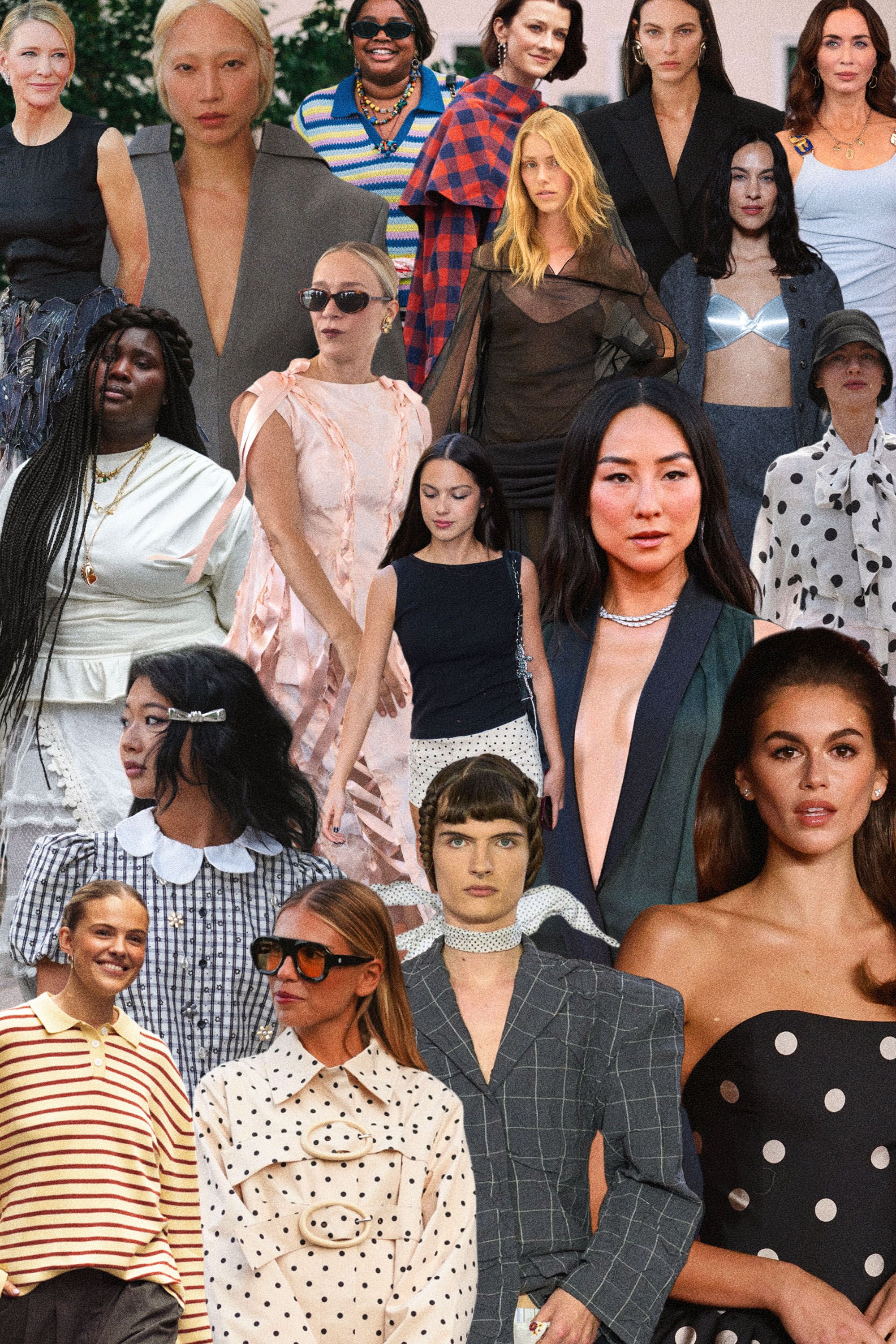
The 2026 runway forecast is defined by a dialogue between two distinct eras: the utilitarian grit of the 1970s and the unapologetic glamour of the 1990s. The risk in adopting these trends is the costume effect—looking like you are wearing a period piece rather than a modern wardrobe. The solution lies in treating these silhouettes as raw materials for contemporary tailoring.
To bridge the gap between runway drama and daily wear, focus on texture and proportion. The 1970s contribution is primarily about fabric weight and earth tones. Incorporate wide-leg trousers in heavy wool or corduroy, but pair them with sharp, structured blazers rather than flowing kaftans. This anchors the bohemian influence in professional clarity. Avoid head-to-toe vintage prints; let one statement piece, such as a quilted leather jacket or a chunky knit, carry the seasonal weight.
The 1990s influence offers a counterpoint through minimalism and edge. Slip dresses and slip skirts should be layered over long-sleeve turtlenecks or worn with heavy combat boots to disrupt the delicate aesthetic. The key is to mix the softness of 90s grunge with the rigid structure of 70s tailoring. This juxtaposition prevents the outfit from feeling dated. By balancing the nostalgia of these decades with clean, modern lines, you create a look that feels intentional rather than retro.
The 2026 Transitional Wardrobe Checklist
Building a cohesive 2026 wardrobe requires selecting items that can withstand the transition between these two aesthetic poles. Focus on versatility and material quality to ensure longevity.
- Structured Wide-Leg Trousers: Look for wool or heavy cotton blends that hold their shape without being stiff. These replace skinny jeans as the foundation for both decades' styles.
- Leather Moto Jacket: A classic black leather jacket serves as the perfect bridge, offering the edge of the 90s while complementing the ruggedness of 70s textures.
- Silk Slip Dress: Choose a midi length in a neutral tone. This piece allows you to layer for cooler months or wear alone in warmer weather, adapting to the 90s minimalist vibe.
- Chunky Combat Boots: Replace delicate heels with sturdy boots. They ground the softer 70s silhouettes and add necessary weight to 90s slip dresses.
- Oversized Blazer: A boxy, structured blazer in a neutral color provides the sharpness needed to counterbalance the flowy elements of both eras.
Choosing Your Base: 70s vs. 90s
When deciding which trend to prioritize, consider your current wardrobe gaps and lifestyle needs. The 70s trends lean towards warmth and texture, making them ideal for colder climates or more formal office environments. The 90s trends are lighter, more layered, and suited for casual or creative workplaces.
| Feature | 1970s Influence | 1990s Influence |
|---|---|---|
| Primary Textures | Corduroy, heavy wool, suede | Silk, denim, leather |
| Silhouette | Wide-leg, flowing, voluminous | Slip, boxy, minimalist |
| Color Palette | Earth tones, burnt orange, brown | Black, white, pastels, grunge |
| Best For | Winter layering, formal settings | Transitional weather, casual wear |
Select the base that aligns with your climate and professional requirements, then use the other decade's elements as accent pieces. This approach ensures your wardrobe remains functional while staying ahead of the 2026 forecast.
Sustainable fashion choices
The "famine" in the fashion narrative is not about scarcity of goods, but the scarcity of resources and human dignity consumed by trend-driven overproduction. Fast fashion’s linear model—make, use, dispose—creates externalized costs that rarely appear on retail price tags. Sustainable fashion shifts this by prioritizing longevity, ethical labor, and circularity.
Ethical consumption begins with transparency. Brands that disclose supply chains and adhere to fair labor standards, such as those highlighted by Fashion Revolution, help mitigate the exploitation often hidden in informal garment sectors. This shift moves value from volume to integrity, ensuring that the cost of a garment reflects the safety and dignity of the worker who made it.
Investing in durable, high-quality pieces reduces the frequency of replacement, lowering both personal expenditure and environmental impact. This approach aligns personal style with planetary boundaries, turning wardrobes into assets rather than liabilities.
No comments yet. Be the first to share your thoughts!