

The 2026 style convergence
The dominant aesthetic of 2026 is not a single look, but a deliberate collision of two distinct eras: the free-spirited bohemianism of the 1970s and the gritty, structured credibility of 1990s hip-hop culture. This convergence defines the current street style landscape, merging flowing silhouettes with utilitarian edge. It is a visual language where vintage floral prints meet oversized cargo pockets, and frayed denim collides with polished leather.
This stylistic synthesis reflects a broader cultural shift toward authenticity and historical awareness. Wearers are no longer just consuming trends; they are curating narratives that span decades. The result is a wardrobe that feels both nostalgic and urgently contemporary, rejecting the polished minimalism of previous years in favor of textured, layered complexity.
The influence of 70s free-spiritedness brings a sense of romanticism and softness to the street, while 90s hip-hop culture grounds it with a sense of power and rebellion. This duality allows for a versatile expression of identity, where comfort and attitude coexist seamlessly. The 2026 street style forecast is ultimately about the freedom to mix these influences, creating a personal uniform that honors the past while asserting a distinct present.
Decoding 70s womens fashion
The 2026 street style forecast leans heavily into the silhouette and texture of 1970s womens fashion, treating the decade not as a costume but as a blueprint for sustainable, everyday wear. Designers are stripping away the theatrical excess of the era to focus on the foundational elements that defined the period: relaxed tailoring, natural materials, and a muted, earthy palette.
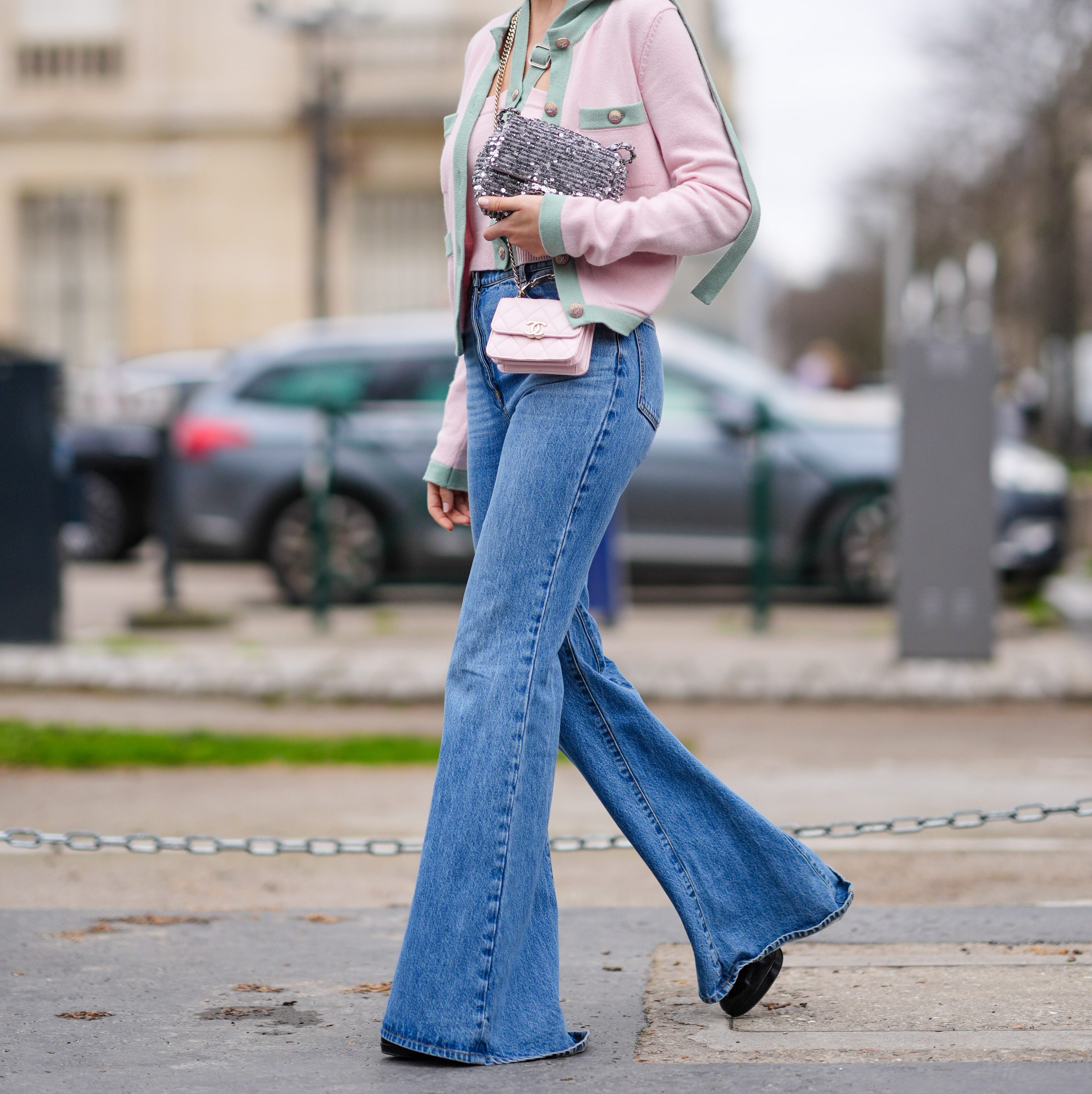
Wide-leg trousers remain the centerpiece of this revival. Unlike the high-waisted, rigid denim of the 2010s, the current iteration favors fluid, floor-sweeping cuts made from organic cotton, linen, or recycled wool. This shift toward loose, unstructured fits aligns with the growing demand for comfort and longevity in clothing. Brands are prioritizing durable fabrics that age well, reducing the need for frequent replacement and addressing the environmental impact of fast fashion.
Color palettes have shifted from the neon brights of the early 2000s to the organic hues of the 1970s. Think terracotta, olive green, mustard yellow, and deep brown. These earth tones are not just aesthetic choices; they signal a move toward natural dyes and low-impact production methods. The focus is on garments that feel grounded and timeless, moving away from trend-driven disposability.
Vintage-inspired fabrics are being modernized through technical innovations. Traditional corduroy and suede are now produced using eco-friendly processes, while synthetic blends are being replaced by bio-based alternatives. This evolution allows the 70s aesthetic to meet contemporary ethical standards, ensuring that the style is both fashionable and responsible.
90s hip hop fashion revival
The 1990s hip-hop aesthetic is no longer a niche subculture; it has become the dominant language of contemporary street style. This revival is defined by a deliberate rejection of the skinny, tailored silhouettes that dominated the 2010s. Instead, the current market favors volume, layering, and a relaxed fit that prioritizes comfort without sacrificing visual impact. The look is rooted in the oversized denim, graphic tees, and athletic wear that defined the era’s music videos and album covers.
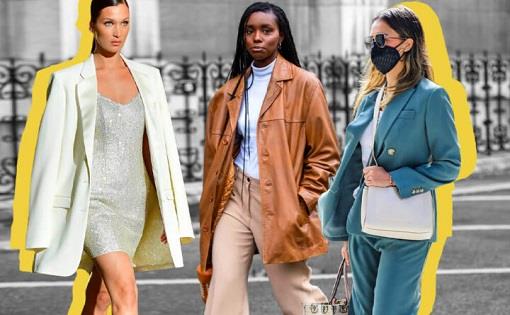
At the core of this trend is the baggy jean. Once dismissed as sloppy, wide-leg denim is now a staple in luxury and fast-fashion collections alike. Designers are reinterpreting the 90s silhouette with heavier washes and distressed hems, creating a piece that feels both nostalgic and new. This shift reflects a broader cultural move toward unisex and gender-fluid dressing, where the fit of the garment matters more than traditional tailoring rules.
Graphic tees and athletic wear complete the ensemble. The oversized tee, often featuring bold typography or vintage band logos, serves as the canvas for self-expression. Paired with track jackets, sneakers, and bucket hats, these elements create a cohesive look that is instantly recognizable. The revival is not just about clothing; it is about reclaiming the cultural confidence of 90s hip-hop. As consumers increasingly value authenticity and historical resonance, this aesthetic offers a tangible connection to a pivotal moment in music and fashion history.
The Cost of Cheap Trends
The phrase "fashion or famine" captures a stark economic reality for the global apparel industry. It frames the consumer choice not merely as a preference for style, but as a moral and financial trade-off between immediate affordability and long-term sustainability. When fast fashion drives prices down to near-zero margins, the cost does not disappear; it is externalized onto garment workers, local ecosystems, and future climate resilience.
This dynamic creates a volatile market where the true cost of a garment is rarely reflected in its tag. According to Fashion Revolution, the industry's push for ultra-low prices often comes at the expense of human rights and environmental stability. Their research highlights that the "famine" aspect of the debate refers to the resource depletion and labor exploitation that enable such cheap clothing to exist. Consumers are effectively choosing between supporting a system that depletes resources and one that values equitable labor practices.
From an investment perspective, this tension is reshaping capital flows. Brands that ignore these ethical implications face increasing regulatory scrutiny and consumer backlash, while those integrating sustainable supply chains are seeing long-term value retention. The market is slowly correcting, but the transition requires consumers to recognize that low prices often signal hidden societal debts.
The shift toward ethical fashion is not just a moral imperative but an economic one. As resources become scarcer and regulations tighten, the "famine" scenario—where supply chains break due to environmental or social collapse—becomes a tangible risk for brands that fail to adapt. The future of fashion lies in balancing affordability with responsibility, ensuring that the industry does not consume the very resources it depends on.
Building a sustainable street style wardrobe
Merging 70s and 90s street style with sustainability requires treating your wardrobe like a curated archive rather than a disposable catalog. The goal is to capture the raw, eclectic energy of those decades—think flared denim, oversized silhouettes, and bold prints—without fueling the waste that defines modern fast fashion. By prioritizing quality, versatility, and second-hand sourcing, you can build a resilient closet that honors both your aesthetic and the planet.
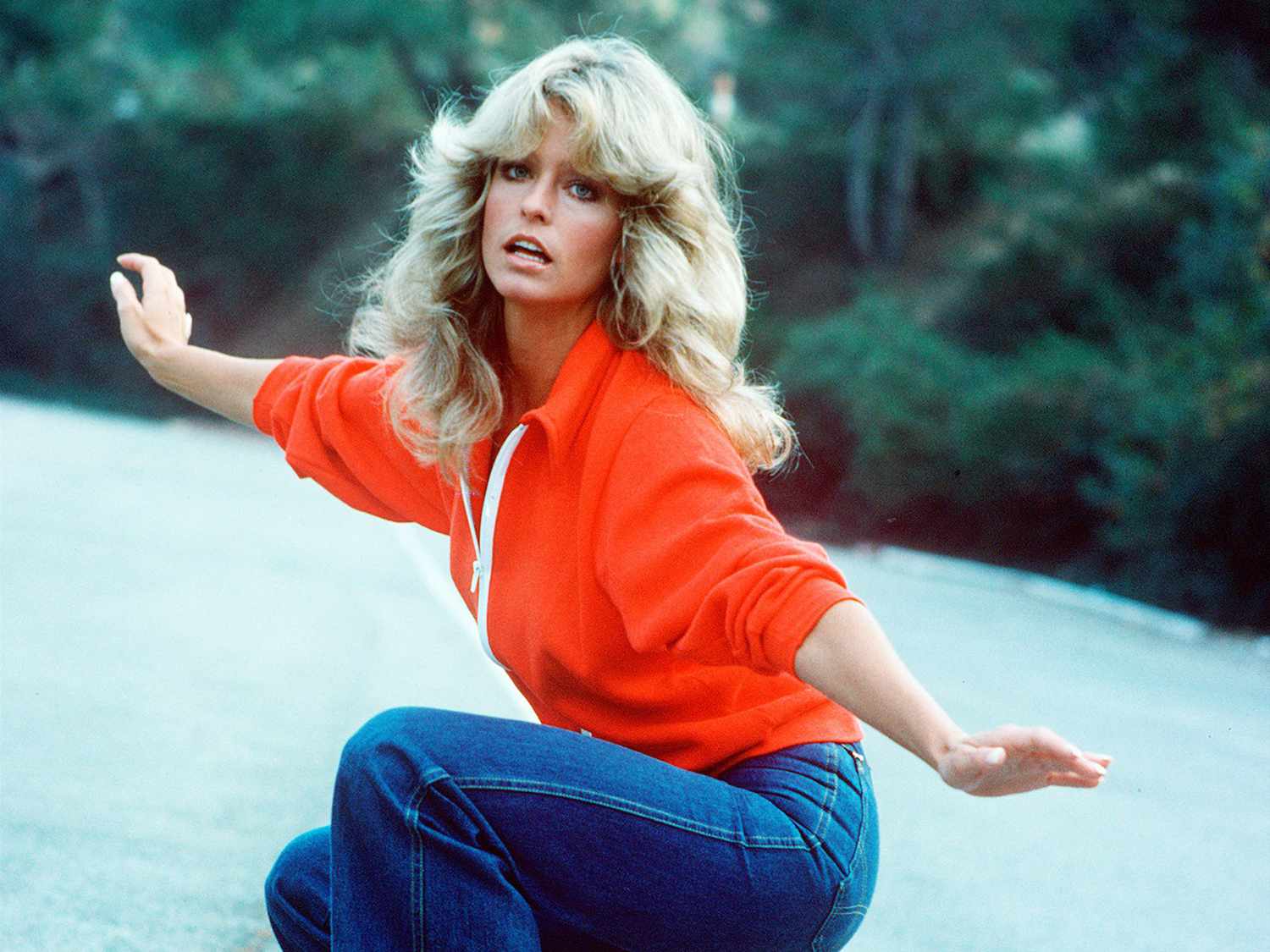
Vintage and thrifted items are the most sustainable way to access authentic 70s and 90s trends. These eras produced garments with heavier fabrics and better construction than many modern equivalents. Shopping pre-owned reduces the demand for new resource extraction and keeps existing clothing in circulation longer, directly countering the "famine by fashion" narrative of waste and exploitation.
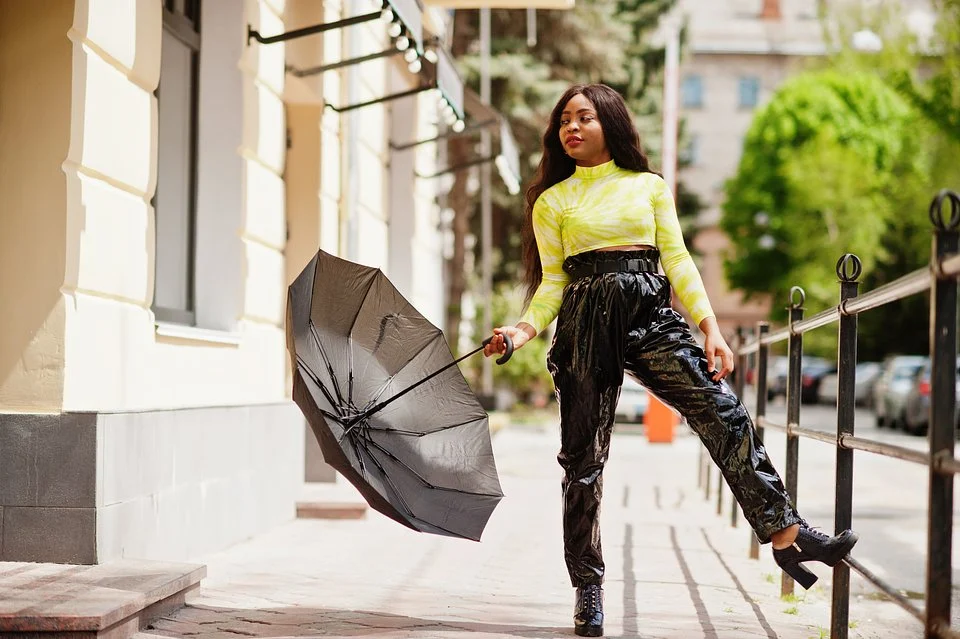
Build your look around timeless staples that bridge the gap between decades. A high-quality pair of wide-leg jeans or a simple oversized blazer can anchor both 70s-inspired boho looks and 90s minimalist streetwear. Versatility ensures that each item earns its keep, reducing the need for frequent replacements and maximizing the cost-per-wear ratio of your investment.
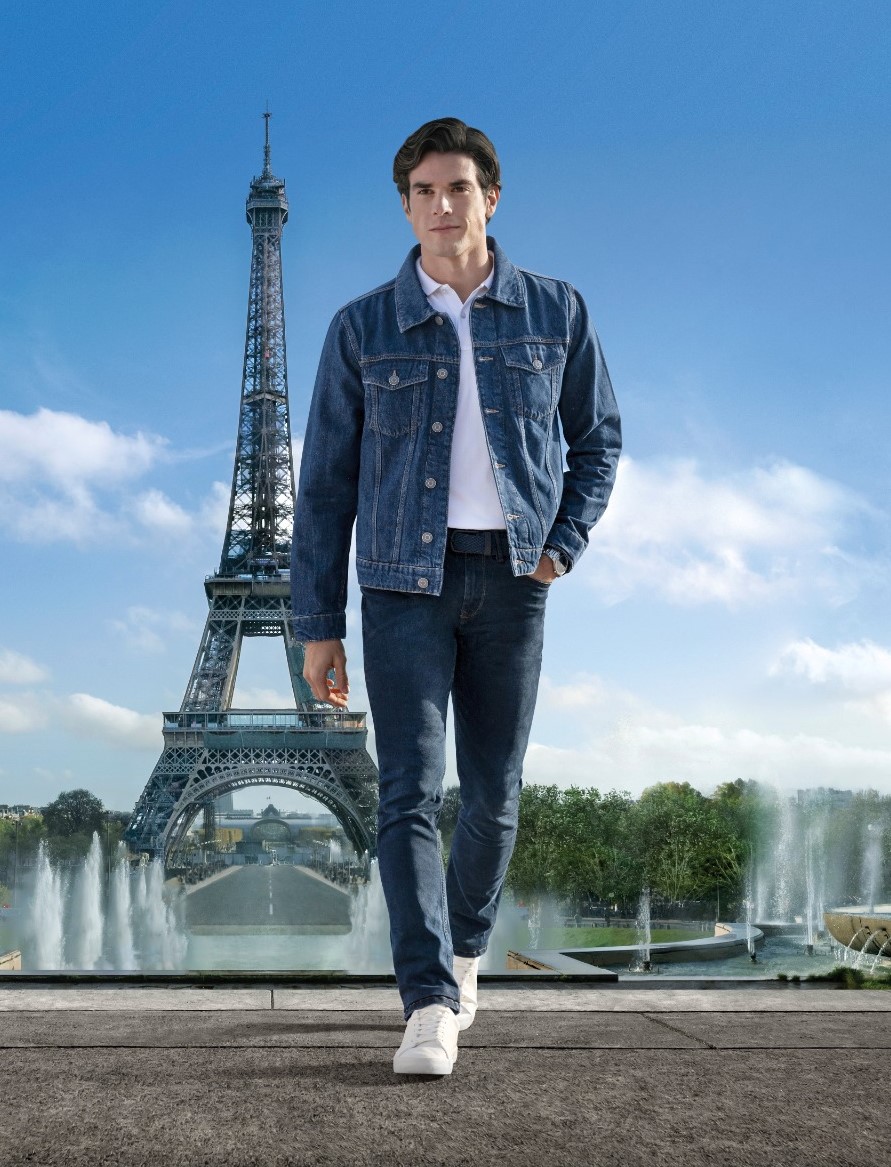
When buying new or second-hand, scrutinize the fabric composition. Natural fibers like cotton, wool, and denim tend to age better and last longer than synthetic blends common in fast fashion. Look for sturdy stitching and quality hardware. Durable materials not only withstand the rigors of daily street style but also develop a unique patina over time, enhancing the vintage aesthetic you are aiming for.
Sustainability extends beyond the purchase; it includes how you care for your clothes. Learn basic mending skills like sewing buttons or patching holes. Proper washing and storage techniques can significantly extend the life of your wardrobe. Treating your clothes with care ensures that your 70s and 90s staples remain wearable for years, reducing the overall environmental footprint of your style.
By adopting these practices, you create a wardrobe that is both stylish and responsible. This approach allows you to participate in the nostalgic revival of 70s and 90s fashion while making conscious choices that support a more ethical and sustainable industry.
No comments yet. Be the first to share your thoughts!