
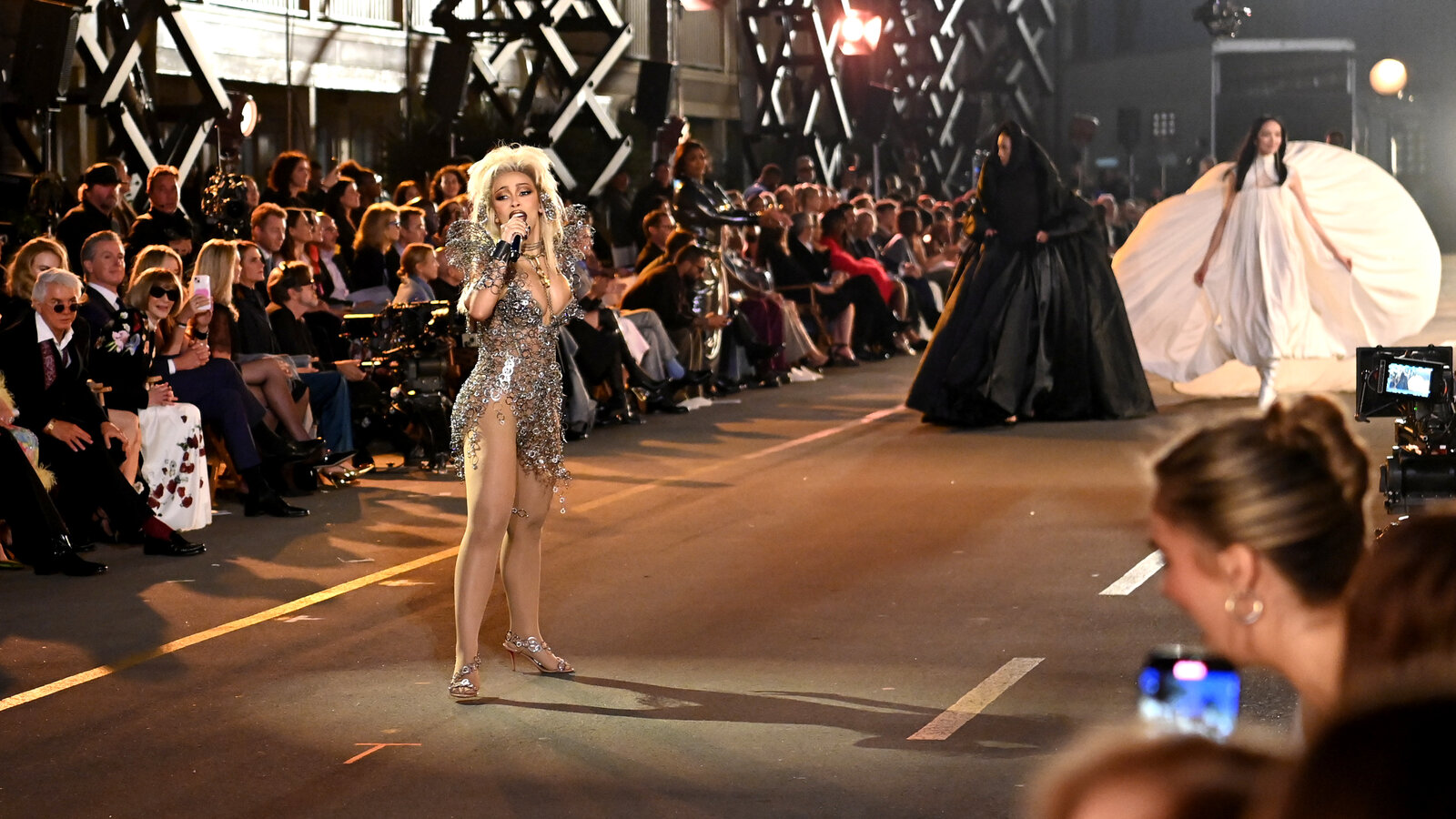

The Fashion or Famine aesthetic
The "Fashion or Famine" aesthetic is a deliberate collision of two distinct eras, merging the bold, oversized silhouettes of 1990s hip hop with the flowing, textured fabrics of 1970s womenswear. This look is not about blending in; it is about volume and contrast. It takes the streetwear confidence of the 90s—baggy jeans, boxy jackets, and chunky sneakers—and pairs them with the romantic, earthy drapes of the 70s, such as maxi skirts, peasant blouses, and wide-leg trousers.
The core of this look is balancing volume. You might pair wide-leg cargo pants with a fitted, cropped top to define the waist, or wear an oversized vintage denim jacket over a flowing, floral midi skirt. The goal is to create a silhouette that feels both relaxed and intentional. The 90s contribution provides structure and attitude, while the 70s elements add softness and movement.
This intersection relies heavily on texture and layering. Think corduroy, suede, and heavy cotton from the 70s meeting nylon, denim, and fleece from the 90s. Accessories play a crucial role in tying the two decades together: gold hoop earrings and layered necklaces (70s) with bucket hats or fanny packs (90s). It is a style that celebrates individuality, allowing you to mix high and low, vintage and modern, without fear of clashing.
Essential 90s hip hop pieces
The 1990s hip hop style was defined by a deliberate rejection of tailored silhouettes in favor of volume, durability, and street-ready utility. It was a wardrobe built for movement, whether on stage or navigating the urban landscape. The aesthetic relied on oversized proportions and layered textures that communicated both comfort and cultural confidence. These staples remain the blueprint for modern streetwear, prioritizing fit and function over fleeting trends.
To recreate this look, focus on the foundational items that defined the era's visual identity. Each piece serves a specific purpose in the overall silhouette, from the structured bulk of outerwear to the relaxed drape of denim.

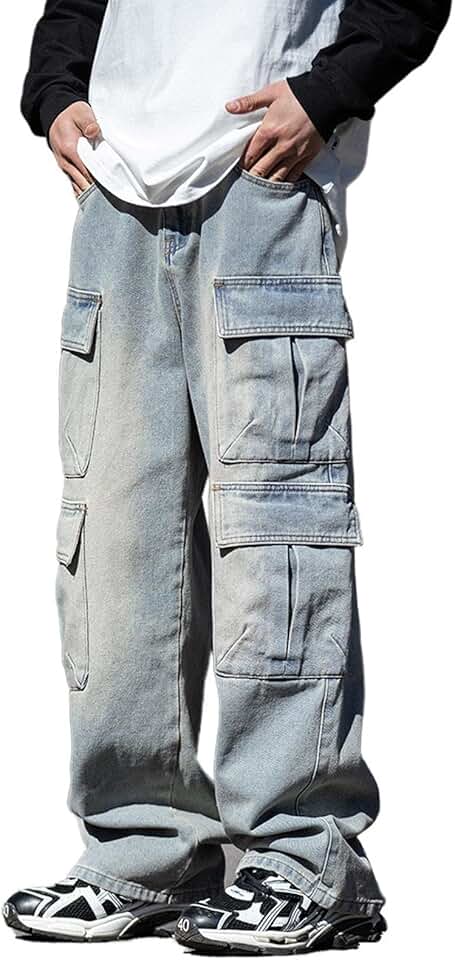

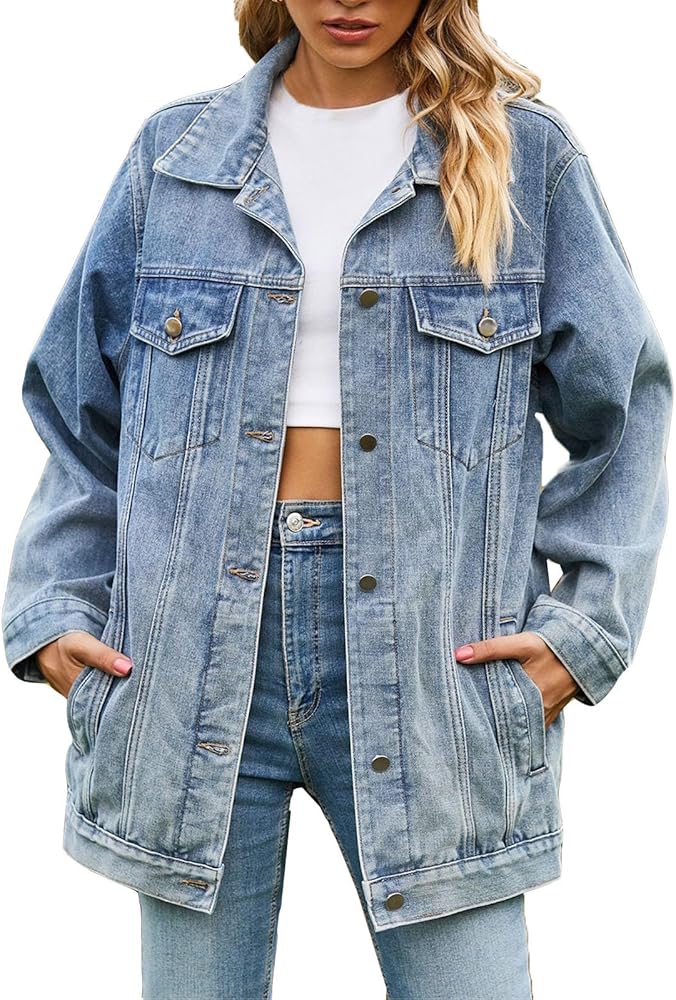
As an Amazon Associate, we may earn from qualifying purchases.
Oversized graphic tees formed the base of the look, often featuring bold logos or album art that stretched beyond the shoulders. These were rarely fitted; the goal was to create a canvas that hung loosely, allowing for layering underneath or wearing alone in warmer weather. The fabric needed to be substantial enough to hold its shape without clinging.
Cargo pants and baggy jeans were equally important, providing the volume that balanced the upper body. The multiple pockets were not just aesthetic; they offered practical storage for the era's essentials. The fit was intentionally wide, often pooling slightly at the shoe, which complemented the bulky sneakers that completed the ensemble.
70s womenswear staples
The foundation of this look relies on the fluid, earthy silhouettes of the 1970s. These pieces soften the heavy, utilitarian base of 90s hip hop, adding a layer of vintage elegance that bridges two distinct eras. The goal is to select garments that drape well and feature natural textures, creating a visual contrast against the boxy or oversized cuts typical of the 90s.
Maxi skirts are the primary vehicle for this softening effect. Long, flowing skirts in suede, velvet, or heavy cotton move with the body, breaking up the horizontal lines of baggy jeans or cargo pants. When paired with a cropped jacket or a simple tee, the skirt adds verticality and grace without sacrificing comfort. Look for high-waisted cuts that sit at the natural waist, echoing the silhouette of the decade.
Suede and leather jackets from the 70s era offer a textural counterpoint to the technical fabrics of 90s sportswear. A moto-style jacket in tan or brown suede provides warmth and structure, grounding the softer elements of the outfit. These jackets often feature unique detailing like fringe or asymmetrical zippers, which serve as focal points. The key is to let the jacket be the statement piece while keeping the rest of the outfit relatively simple.
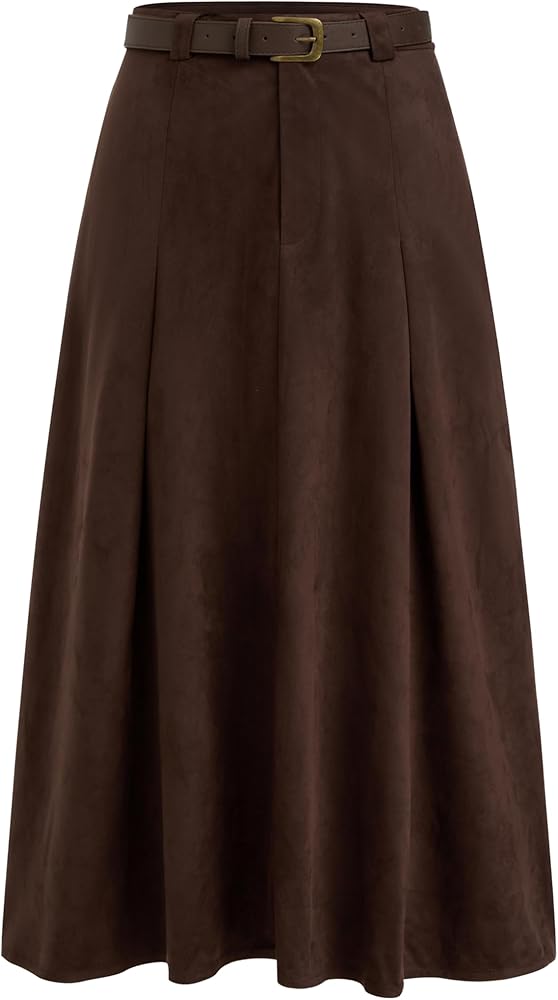

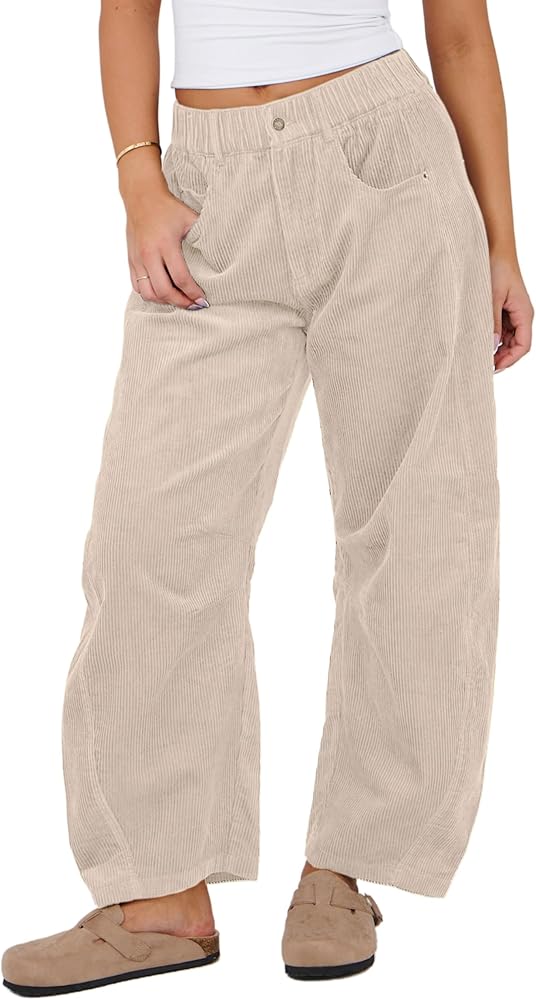
- Earthy color palette
- Comfortable wide-leg cut
- Durable corduroy fabric

As an Amazon Associate, we may earn from qualifying purchases.
Mixing eras for street style
Blending 90s hip-hop aesthetics with 70s womenswear creates a rich, textured look that feels curated rather than costumey. The secret lies in balancing volume and silhouette. Pair the oversized, utilitarian shapes of the 90s with the fluid, feminine lines of the 70s to create tension and interest. Think baggy cargo pants with a flowing maxi skirt layered over them, or a cropped denim jacket over a wide-leg jumpsuit. This approach keeps the outfit grounded in modern streetwear while adding vintage depth.
Avoid head-to-toe prints or matching sets from different decades, which can look like a thrift store mishap. Instead, anchor the look with neutral basics—black tees, simple sneakers, or minimalist boots—and let one statement piece from each era do the talking. A flared bell-bottom or a paisley blouse works best when paired with clean, contemporary streetwear staples like a hoodie or a puffer vest.
To help you visualize these combinations, here are three distinct formulas that merge these decades effectively.
| Formula | Top | Bottom | Shoes | Vibe |
|---|---|---|---|---|
| 1 | Cropped Denim Jacket | Flared Maxi Skirt | Chunky Sneakers | Effortless Chic |
| 2 | Oversized Graphic Hoodie | Wide-Leg Jumpsuit | Platform Boots | Urban Edge |
| 3 | Fringe Vest | Baggy Cargo Pants | High-Top Sneakers | Retro Street |
Building your capsule wardrobe
A capsule wardrobe works like a well-produced track: every piece supports the beat without fighting for attention. By mixing 90s hip hop staples with 70s womenswear essentials, you create a flexible foundation that survives changing trends and daily wear. Focus on fit, fabric weight, and color harmony rather than chasing every vintage revival.
Start by defining a neutral base—black, cream, olive, or denim—that anchors your looks. Add statement pieces in earth tones or bold prints that echo the eras you love. This approach keeps your closet lean while maximizing outfit combinations.
1. Choose versatile base layers
Prioritize high-quality denim, plain tees, and structured blazers that transition from day to night. These items form the backbone of your capsule, allowing you to layer seasonal pieces without clutter.
2. Add era-specific statement pieces
Incorporate one or two bold items per season, such as wide-leg trousers, oversized jackets, or patterned skirts. These pieces should complement your neutrals, not compete with them.
3. Curate cohesive accessories
Select jewelry, belts, and bags that bridge the 90s and 70s aesthetics. Gold hoops, leather belts, and structured totes work across both decades, adding polish without adding bulk.


As an Amazon Associate, we may earn from qualifying purchases.
4. Plan outfits in advance
Lay out your base layers and statement pieces together before you shop. This prevents impulse buys and ensures every new item has a clear role in your existing wardrobe.
5. Edit and rotate seasonally
Review your capsule every three months. Remove items that don’t fit well or haven’t been worn, and replace them with pieces that align with your current lifestyle and style goals.
Common Styling Mistakes
Merging 90s hip-hop with 70s womenswear is a bold aesthetic play, but it requires discipline. The line between curated vintage cool and costume clutter is thin. To keep the look polished, you need to treat each era’s visual language with respect, avoiding the temptation to throw every iconic element into one outfit.
The biggest pitfall is over-accessorizing. 90s hip-hop relied on statement pieces—chunky gold chains, oversized hoop earrings, and bold hats. 70s womenswear brought wide-brimmed hats, layered necklaces, and statement belts. Wearing both simultaneously creates visual noise. Pick one era to dominate the silhouette, then use accessories from the other as subtle accents. If you’re wearing a 70s shirtdress, let a single 90s chain sit against the neckline. Don’t add the hat and the hoops too.
Clashing patterns is the second major error. Both decades loved bold prints: 70s paisley, animal prints, and floral motifs collide dangerously with 90s streetwear graphics, logos, and camo. Mixing a busy 70s maxi skirt with a graphic-heavy 90s tee often looks chaotic rather than eclectic. Instead, anchor the outfit with solid neutrals. Let a 70s textured blazer stand out against a plain 90s band tee, or pair high-waisted 70s flares with a solid 90s crop top. Balance is key.
Finally, avoid forcing the fit. 90s hip-hop was often oversized and baggy, while 70s womenswear ranged from fitted bodysuits to flowing maxi dresses. Mixing an oversized 90s jacket with extremely wide-leg 70s pants can swallow your frame. Break up the volume: pair an oversized 90s denim jacket with a fitted 70s midi skirt, or use a tucked-in 70s blouse with loose 90s cargo pants. Proportion creates the structure that holds the look together.
No comments yet. Be the first to share your thoughts!