

Defining the fashion or famine dynamic
The 2026 fashion market is defined by a stark contradiction. On one side, consumer desire is driven by the aspirational aesthetics of 90s hip hop culture, a style that demands vibrant, durable, and culturally resonant clothing. On the other side, the economic reality of sustainable production creates a high barrier to entry, turning ethical fashion into a luxury good rather than a standard offering. This tension between cultural expression and financial accessibility is the core friction point of the current industry.
Fast-fashion replicas dominate the visual landscape, offering the look of hip-hop heritage at a fraction of the cost. However, these items rarely account for the true cost of labor or environmental impact. Authentic sustainable pieces, by contrast, require fair wages and responsible sourcing, which significantly increases their price tag. This disparity creates a "famine" of affordable, ethical options, leaving consumers to choose between cultural participation and economic responsibility.
The current model forces a choice between wearing the culture and supporting the workers who make it.
This dynamic is not just a consumer dilemma; it is a structural market failure. As demand for sustainable practices grows, the industry must reconcile the low-cost expectations set by fast fashion with the high-cost realities of ethical production. Until this gap narrows, the "fashion or famine" choice will remain a defining feature of the 2026 market, influencing everything from brand loyalty to retail strategy.
90s Hip Hop Aesthetics in Modern Design
The 1990s hip hop era is no longer just a nostalgic reference; it has become a primary driver for high-fashion collections in 2026. Designers are moving beyond superficial homage, integrating the era's distinct visual language into structural silhouettes and brand identity. This shift reflects a broader market demand for streetwear staples that carry the weight of cultural authenticity rather than just trendiness.
Baggy silhouettes remain the most dominant architectural element of this trend. Unlike the tailored fits of the early 2000s, current collections emphasize volume and drape, echoing the oversized denim and cargo pants that defined the decade's street style. This rejection of restrictive tailoring signals a return to comfort-driven luxury, where the cut of the garment dictates the wearer's presence. Bold logos and graphic prints further anchor these pieces in their hip hop roots, serving as immediate visual cues of heritage and brand loyalty.
The integration of these elements into high-fashion contexts requires careful balancing. Designers must avoid costume-like interpretations by focusing on fabric quality and construction. The result is a collection that feels both timeless and urgently contemporary, appealing to consumers who view fashion as a form of cultural currency. As seen in recent runway shows, the line between streetwear and high fashion has effectively dissolved, with 90s hip hop aesthetics serving as the common denominator.
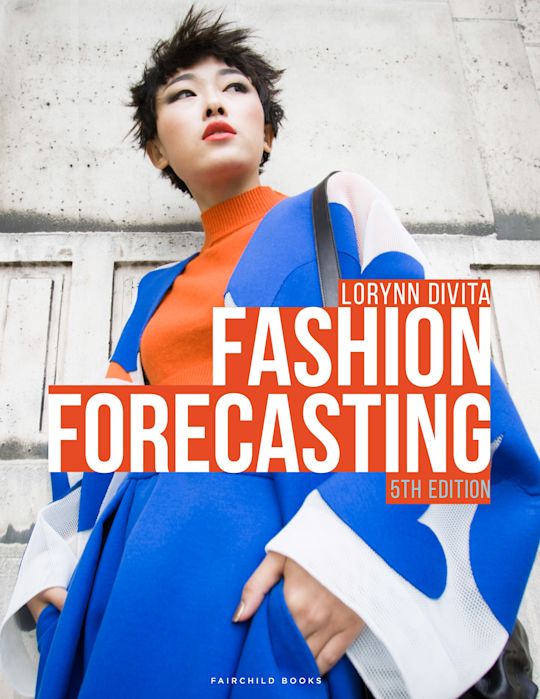
The Cost of Sustainable High Fashion
Sustainable high fashion commands premium prices because the true cost of production is finally being accounted for. In the fast-fashion model, externalities like environmental degradation and labor exploitation are absorbed by society, not the consumer. When brands prioritize ethical sourcing, fair wages, and eco-friendly materials, these costs are reflected in the final price tag.
Consider the stark contrast between a $20 fast-fashion replica of a 90s icon and a $2,000 sustainable high-fashion equivalent. The difference isn't just branding; it's the cost of doing business responsibly. The table below breaks down where that money goes.
| Cost Factor | Fast Fashion Replica | Sustainable High Fashion |
|---|---|---|
| Labor | Exploitative wages, often below minimum wage | Living wages and safe working conditions |
| Materials | Synthetic fibers, high carbon footprint | Organic, recycled, or regenerative materials |
| Production Scale | Mass-produced, high waste | Limited runs, low waste, durable |
| Transparency | Opaque supply chains | Fully traceable from farm to garment |
This premium is not a marketing gimmick but a reflection of the "famine" aspect of our keyword: scarcity. Ethical materials and skilled labor are scarce resources. As demand for these sustainable practices grows, so does the cost of sourcing them responsibly. The market is shifting, and consumers are increasingly willing to pay for transparency and sustainability.
Market analysis of 2026 fashion trends
The 2026 fashion market is defined by a sharp divergence between legacy fast fashion and the rising tide of sustainable streetwear. While traditional apparel giants struggle with margin compression and inventory bloat, sustainable streetwear brands are capturing market share by aligning product durability with ethical supply chains. This shift is not merely cultural; it is a structural realignment of capital toward transparency and longevity.
To understand the trajectory, we must look at the data. The following chart illustrates the comparative growth of sustainable fashion market share against traditional fast fashion over the last decade. The divergence point in 2024 marks the beginning of the current acceleration, signaling that consumer preference has moved from aspirational luxury to accountable utility.
This trend is further evidenced by the performance of ESG-linked fashion indices. As capital flows away from high-volume, low-margin models, investors are prioritizing brands with verified sustainable practices. The data suggests that sustainable streetwear is no longer a niche segment but a primary driver of market growth in 2026.
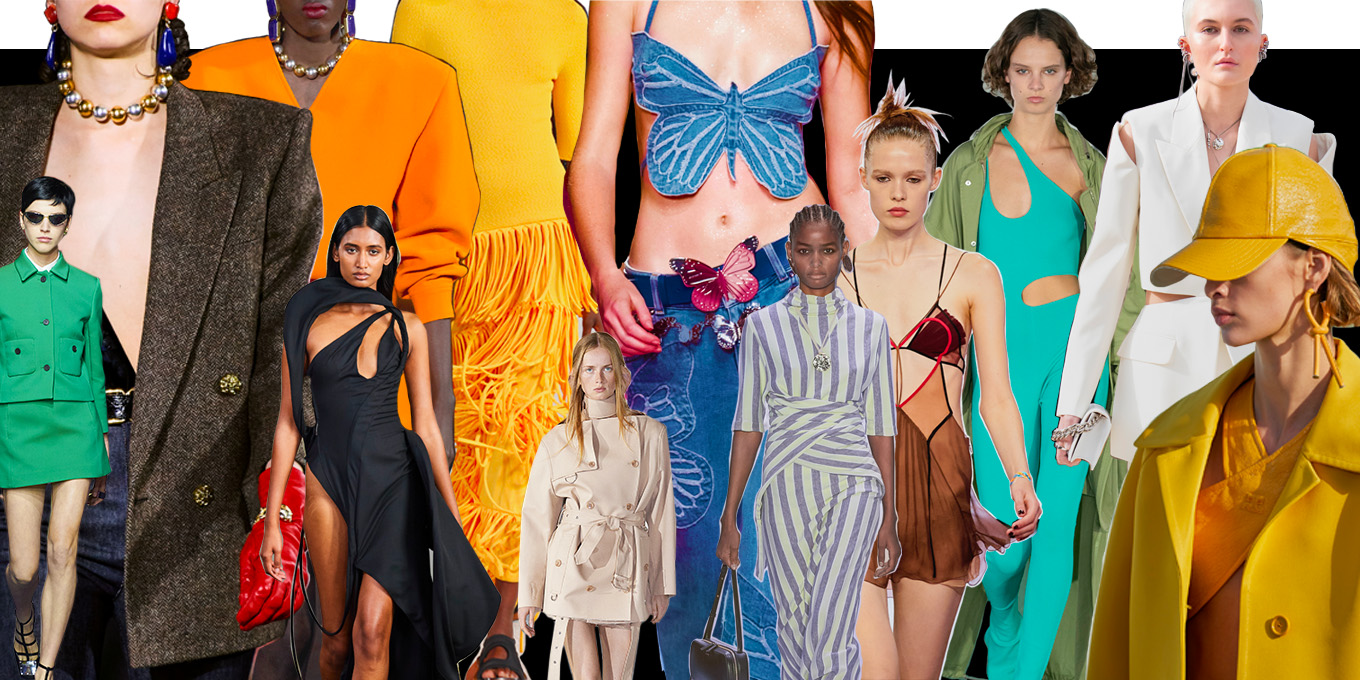
Building a sustainable 90s wardrobe
The 1990s fashion revival is no longer a niche trend; it is a dominant force in the current market. However, the rapid turnover of fast-fashion replicas creates a "famine" of durability, where garments fall apart after a few wears. To navigate this choice between fleeting style and long-term value, you must treat your wardrobe like a portfolio: prioritize high-yield assets over speculative trends.
Building a sustainable collection requires a disciplined approach to acquisition. Instead of buying into the hype of cheap, disposable replicas, focus on acquiring pieces that offer longevity and versatility. This strategy protects your budget and reduces the environmental impact associated with the garment industry's waste. The goal is to curate a wardrobe that serves you for years, not just one season.
Follow these steps to evaluate and acquire 90s-inspired pieces that stand the test of time.
The hallmark of 90s fashion was its reliance on durable materials like denim, leather, and heavy cotton. When shopping, inspect the seams and fabric weight. Synthetic blends that feel thin or look overly shiny are often indicators of low-quality fast fashion. Natural fibers not only last longer but also age gracefully, developing a unique character that synthetic materials cannot replicate. This is your first line of defense against the "famine" of disposable clothing.
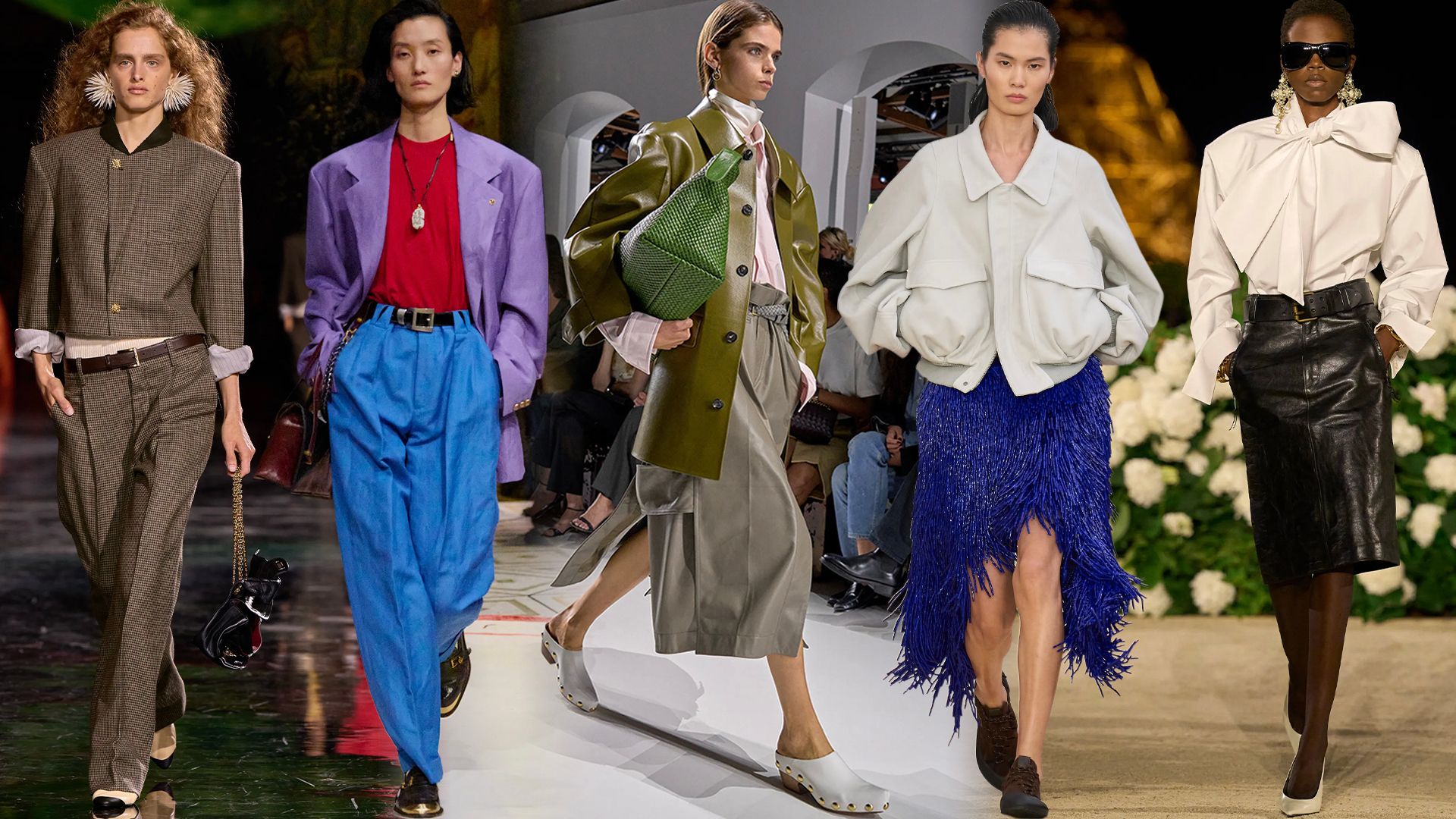
Not all 90s trends are created equal. While some styles are tied to specific subcultures or short-lived fads, others are foundational. Invest in classic silhouettes such as straight-leg jeans, oversized blazers, and simple slip dresses. These items have remained relevant for decades and will continue to be versatile staples. Avoid overly specific novelty items that may feel dated within a year. By focusing on timeless cuts, you ensure your wardrobe remains functional and stylish regardless of shifting market trends.
The most sustainable choice is often the one that already exists. The 90s was a recent era, meaning genuine vintage pieces are readily available in thrift stores and online marketplaces. Buying secondhand extends the life of garments that have already been produced, reducing the demand for new manufacturing. It also allows you to find higher-quality items that were made when durability was a higher priority. This approach aligns with the economic principle of value retention, as well-kept vintage pieces often hold their worth.
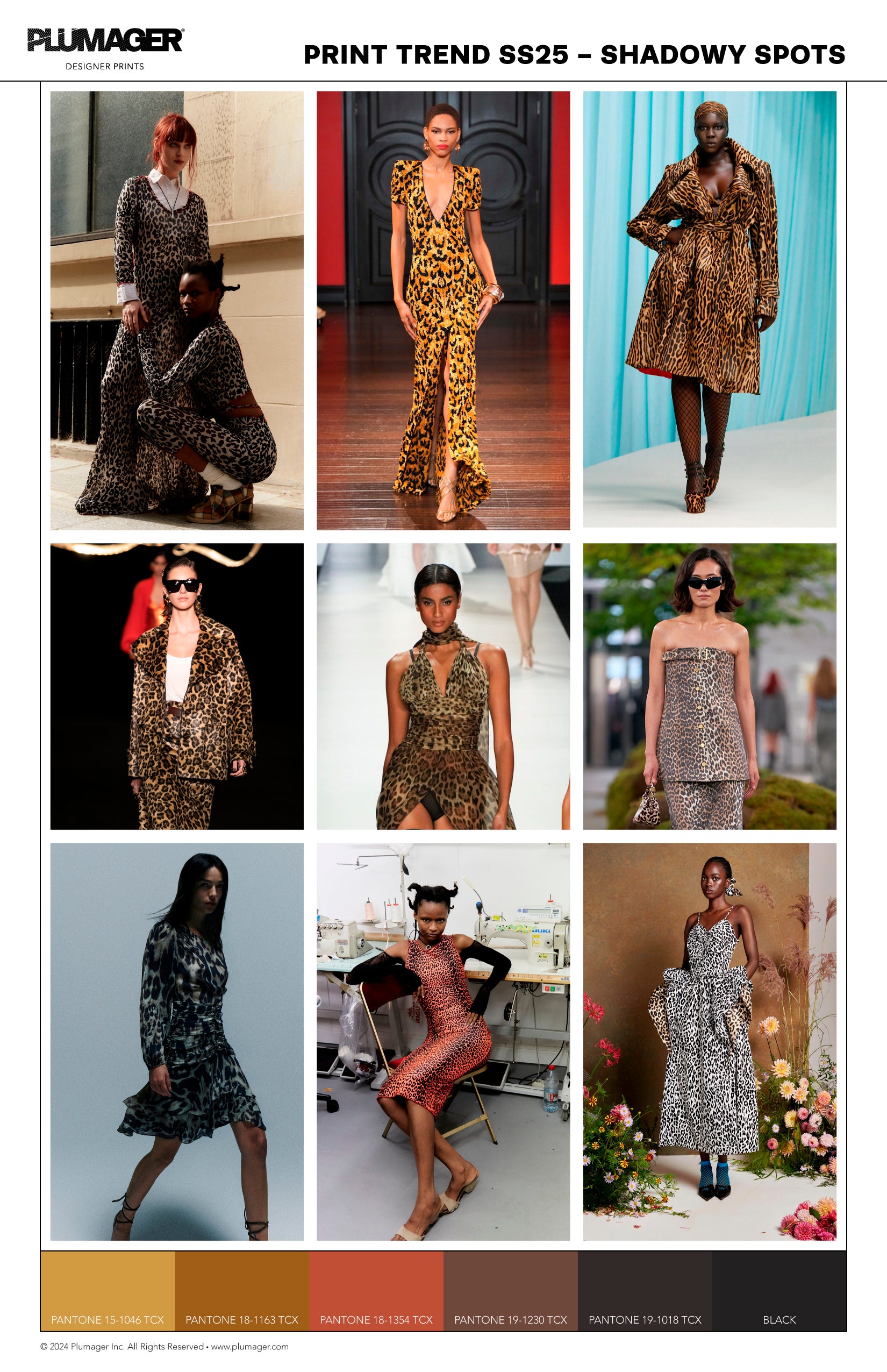
If you must buy new, choose brands that prioritize ethical production. The "famine" aspect of the fashion industry often refers to the poor working conditions and environmental neglect associated with cheap production. Look for brands that are transparent about their supply chains and commit to fair labor practices. This ensures that your investment supports a system that values human dignity and environmental stewardship. Supporting ethical brands helps drive the market toward more sustainable practices, benefiting the entire industry.
By following this structured approach, you can build a 90s-inspired wardrobe that is both stylish and sustainable. This strategy shifts the focus from consumption to curation, ensuring that every piece in your closet serves a purpose and stands the test of time. In a market driven by fast trends, patience and discernment are your most valuable assets.
No comments yet. Be the first to share your thoughts!