

Defining the Fashion or Famine Aesthetic
The "Fashion or Famine" concept for 2026 describes a stylistic tightrope walk. It is not about choosing between high-fashion aspiration and accessible, everyday wearability. Instead, it is the deliberate blending of the two into a single, cohesive look. This aesthetic prioritizes wearable luxury, ensuring that high-concept silhouettes remain grounded in street-style comfort.
This approach reflects a broader shift in consumer behavior toward practical opulence. Shoppers are looking for pieces that feel special but function in daily life. The 2026 forecast leans into timeless staples from the 70s and 90s, reimagined with modern fabrics and cuts. The goal is to create outfits that look expensive without sacrificing mobility or ease.
The result is a wardrobe that balances risk with reliability. You might pair a structured, high-fashion blazer with relaxed, vintage-inspired denim. This juxtaposition creates visual interest while maintaining a sense of approachability. It is a style that acknowledges the economic reality of 2026: invest in pieces that last, both in quality and in relevance.
By focusing on this balance, the "Fashion or Famine" aesthetic avoids the pitfalls of fleeting trends. It offers a sustainable path to personal style, where each item serves a dual purpose: expressing individuality and providing genuine utility. This is the core of the 2026 forecast—a move toward intelligent, enduring fashion.
High fashion meets street style
The 2026 fashion landscape is defined by a deliberate blurring of lines between the runway and the sidewalk. Designers are no longer treating luxury materials as exclusive to formal wear; instead, they are integrating high-end fabrics into casual, functional cuts that prioritize movement and utility. This fusion creates garments that feel expensive yet approachable, merging the architectural precision of haute couture with the relaxed silhouettes of streetwear.
We are seeing a shift away from stiff, structured silhouettes toward fluid, oversized forms that still maintain a polished finish. Leather jackets are being tailored with softer linings, while tailored trousers are cut with elasticated waists or dropped crotches for comfort. The goal is to look intentional without looking like you are trying too hard. It is about wearing luxury as a second skin rather than a costume.
This trend is not just about aesthetics; it reflects a broader cultural shift toward versatility. Consumers want pieces that can transition from a casual coffee run to an evening event without a complete change of outfit. By stripping away the rigidity of traditional high fashion, brands are creating a new uniform for the modern urbanite—one that values both status and ease.
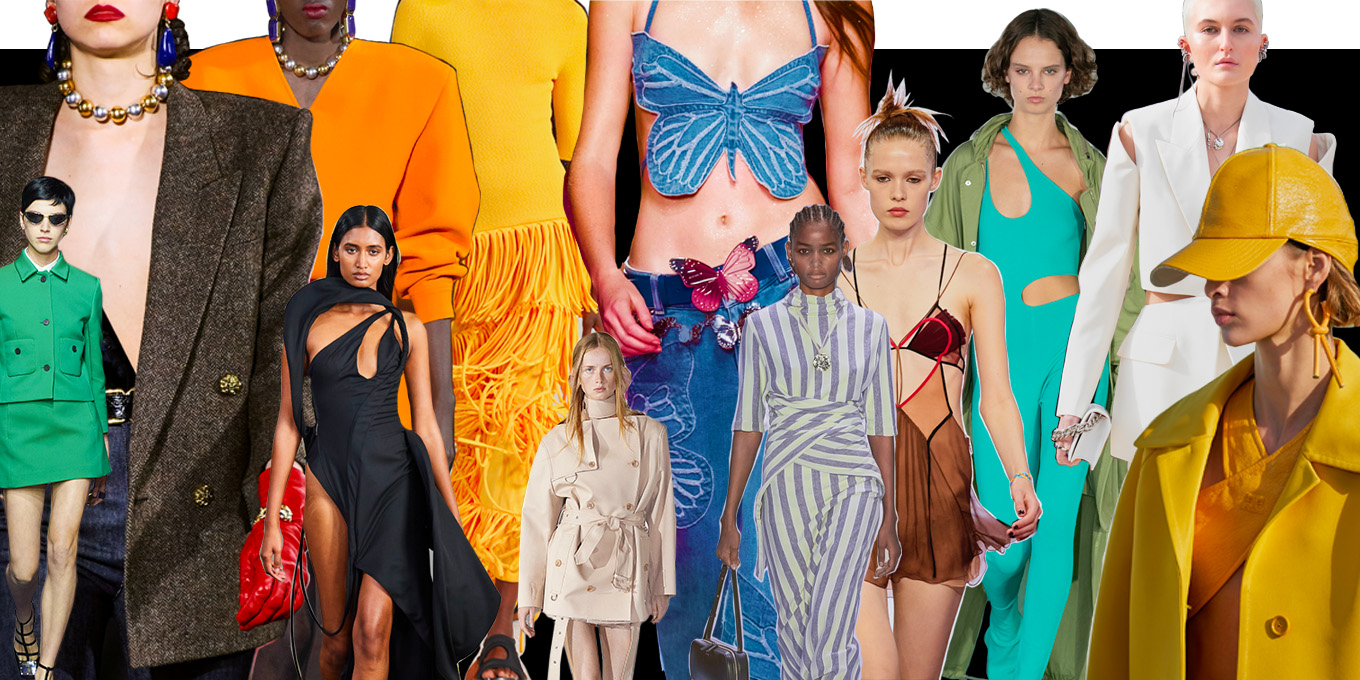
The result is a style that feels both timeless and urgently contemporary. It is a rejection of the binary choice between looking polished and looking comfortable. In 2026, you can have both, provided you choose the right materials and cuts.
reviving 70s womens fashion staples
The 2026 fashion cycle is pulling heavily from the late 1970s, prioritizing comfort and earthy aesthetics over the sharp minimalism of the previous decade. This resurgence isn't just about nostalgia; it reflects a broader consumer shift toward durable, versatile pieces that bridge the gap between casual wear and structured style. Designers are reinterpreting classic silhouettes with modern fabrics, creating a look that feels both grounded and intentionally curated.
Key elements defining this trend include wide-leg trousers that offer movement without sacrificing structure, and a color palette dominated by terracotta, olive, and mustard. Bohemian textures like crochet and suede are appearing in updated forms, moving away from the free-flowing chaos of the past toward more defined, architectural shapes. These staples are being mixed with contemporary tailoring, creating a hybrid style that is practical for daily wear yet distinctively retro.
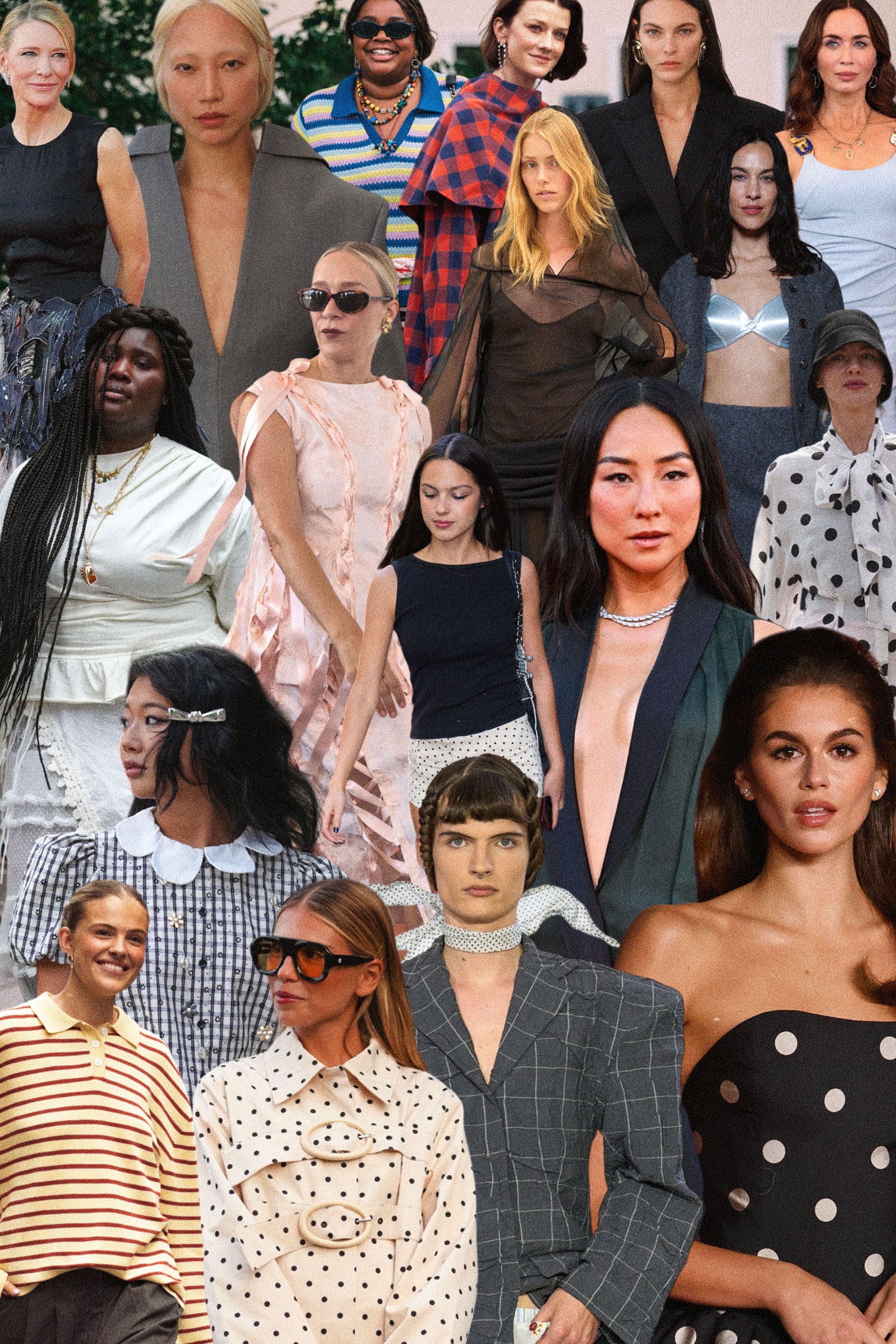
The following items represent the core components of this revival, selected for their versatility and current market relevance.
Key 70s Staples for 2026
-
Wide-Leg Trousers
High-waisted, floor-length cuts in wool or heavy cotton. These replace skinny jeans as the foundational bottom, offering a flattering silhouette that pairs well with both fitted tops and oversized sweaters. -
Earth Tone Knitwear
Chunky cardigans and turtlenecks in rust, ochre, and forest green. These pieces provide texture and warmth, serving as the primary color anchor for the season\u0027s outfits. -
Boho-Texture Accents
Crochet vests, suede fringe bags, and woven belts. These accessories add the necessary bohemian flair without overwhelming the outfit, allowing for easy integration with modern minimalist pieces.
90s hip hop fashion influence
The 1990s hip hop aesthetic has shifted from a subculture uniform to a dominant force in 2026 fashion forecasting. The decade’s signature baggy silhouettes, bold logo placement, and athletic wear integration are no longer niche references but foundational elements of contemporary streetwear. This revival is not merely nostalgic; it represents a structural shift toward comfort, self-expression, and unapologetic volume in everyday dressing.
Baggy silhouettes have returned with renewed emphasis on proportion. Oversized denim, wide-leg trousers, and boxy jackets define the modern streetwear wardrobe, moving away from the slim-fit trends of the 2010s. This return to volume reflects a broader cultural prioritization of physical comfort and ease of movement, echoing the functional roots of hip hop style where oversized clothing allowed for freedom of motion during dance and performance.
Bold logos and athletic wear integration further cement this influence. High-end designers and mainstream brands alike are incorporating sportswear elements like track jackets, sneakers, and team jerseys into high-fashion contexts. Logos, once considered gauche, are now central to branding strategies, signaling authenticity and heritage. This fusion of athletic functionality with luxury aesthetics creates a versatile wardrobe that bridges gym-to-street transitions seamlessly.
building a timeless classics wardrobe
The 2026 landscape demands a shift from disposable trends to durable, high-value assets. Building a timeless wardrobe is less about chasing the season's fleeting whims and more about securing long-term utility. This approach mirrors the "fashion or famine" dichotomy: you either invest in pieces that retain value and relevance, or you fall into the trap of rapid obsolescence.
Start by identifying the foundational layers that anchor every outfit. A well-tailored wool coat, a crisp white shirt, and dark denim jeans form the backbone of versatility. These items should be neutral in color and simple in cut, allowing them to mix seamlessly with more expressive 2026 trend pieces like the season's prominent animal prints or playful textures. Think of these classics as your portfolio's blue-chip stocks—stable, reliable, and always in demand.
Next, focus on material quality over quantity. In an era where fast fashion's environmental and ethical costs are increasingly scrutinized, choosing natural fibers like cotton, linen, and wool ensures longevity. Look for reinforced stitching and high-grade hardware. These details are not just about aesthetics; they are indicators of a garment's ability to withstand daily wear and tear, ensuring your investment lasts for years rather than seasons.
Finally, curate with intention. Before adding a new piece, ask if it complements at least three existing items in your closet. This constraint forces you to prioritize versatility and coherence, preventing the accumulation of single-use items. By building a wardrobe around these timeless principles, you create a resilient style foundation that adapts to changing trends without sacrificing your core identity.
No comments yet. Be the first to share your thoughts!