

The 2026 Style Convergence
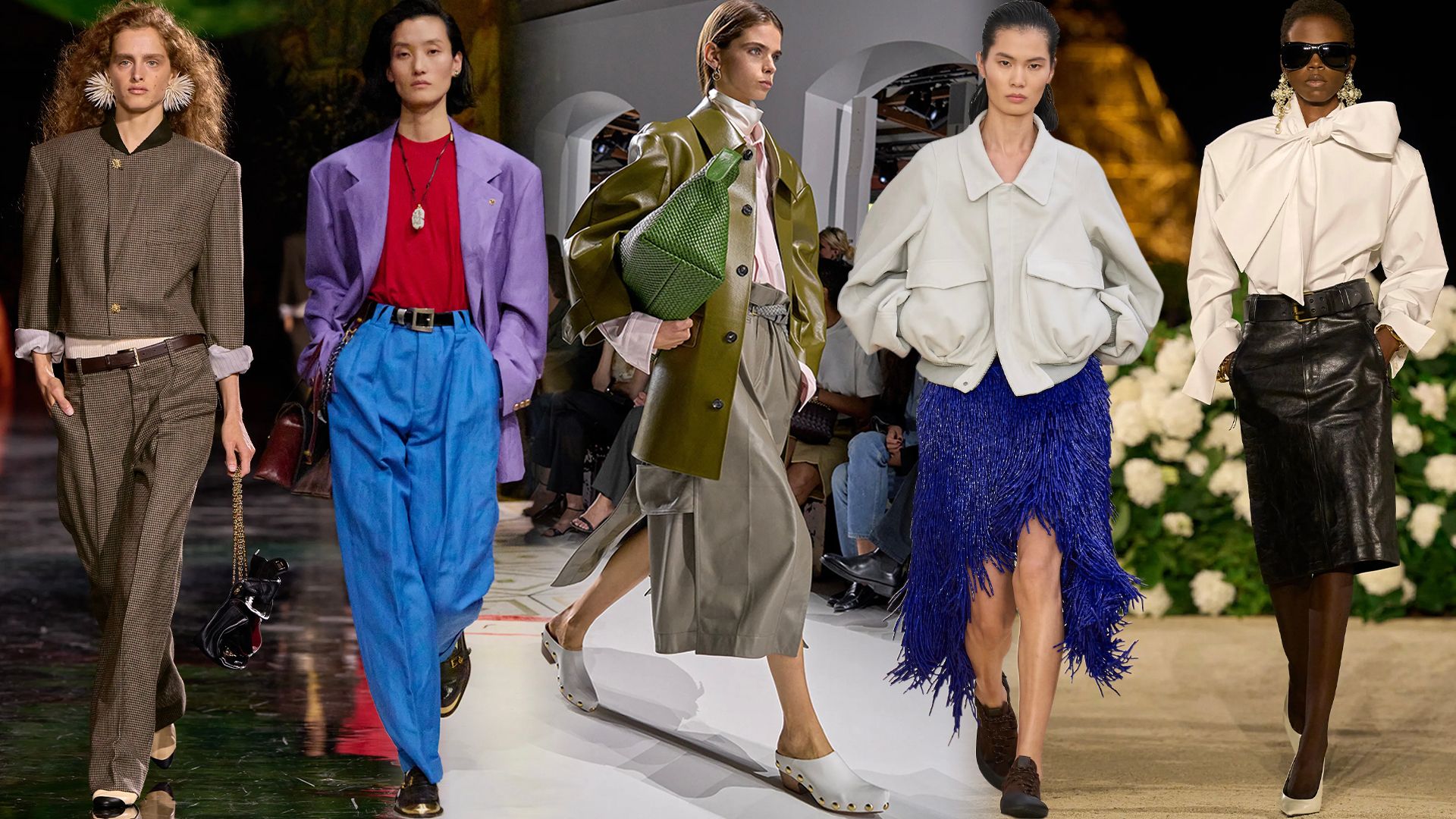
The 2026 fashion forecast is defined by a distinct aesthetic convergence: the intersection of 1970s nostalgia and contemporary streetwear. This blend creates a visual language that feels both retro and urgently modern, establishing the "Fashion or Famine" theme for the year. The core challenge for consumers and brands alike is balancing trend-driven pieces with timeless value, ensuring that style investments yield long-term wearability rather than immediate obsolescence.
This aesthetic is not merely about borrowing silhouettes from the past; it is about recontextualizing them for a digital, fast-paced world. Wide-leg trousers, earthy tones, and suede textures from the 70s are being merged with the structured, utilitarian lines of modern streetwear. The result is a wardrobe that prioritizes longevity over novelty. As noted by Fashion Revolution, the industry must move away from models where clothes come at the cost of people or the planet, pushing instead for ethical consumption and durable design.
The market signals this shift through consumer behavior. Shoppers are increasingly scrutinizing the lifecycle of their garments, seeking pieces that can transition across seasons and social contexts. This demand for versatility is reshaping production cycles, with brands focusing on quality materials and versatile cuts that resist the "famine" of disposable trends. The convergence is a strategic pivot toward sustainability, where the "fashion" is defined by its ability to endure, and the "famine" is the waste generated by fleeting, low-quality novelties.
70s Elements Returning to Street Style
The 1970s are re-emerging as a primary driver for 2026 street style, offering a distinct contrast to the minimalist trends of the previous decade. Designers are stripping away the excess of the disco era to focus on wearable, rugged silhouettes that prioritize texture and comfort. This shift reflects a broader cultural move toward authenticity, where garments are valued for their tactile quality and longevity rather than fleeting novelty.
Wide-leg trousers have replaced skinny fits as the standard for streetwear bottoms. These trousers, often cut from heavy denim or corduroy, offer a relaxed drape that accommodates movement and layering. The return of this silhouette signals a rejection of restrictive tailoring in favor of utility and ease, aligning with the growing demand for clothing that functions well in daily life.
Suede textures are being reintroduced across jackets, skirts, and accessories. Unlike the glossy finishes of the 2000s, the suede used in 2026 collections is often napped or brushed, providing a matte, organic feel. This material choice adds depth to outfits without relying on loud prints or logos, allowing the fabric itself to become the focal point of the design.
Earth tones dominate the color palette, with shades of rust, olive, and sand replacing the bright neons of the past. These colors are chosen for their ability to mix and match effortlessly, creating a cohesive wardrobe that resists seasonal obsolescence. The use of natural dyes and sustainable sourcing for these textiles is increasingly common, addressing the "famine" side of the fashion equation by reducing environmental impact.
Modern streetwear adaptations
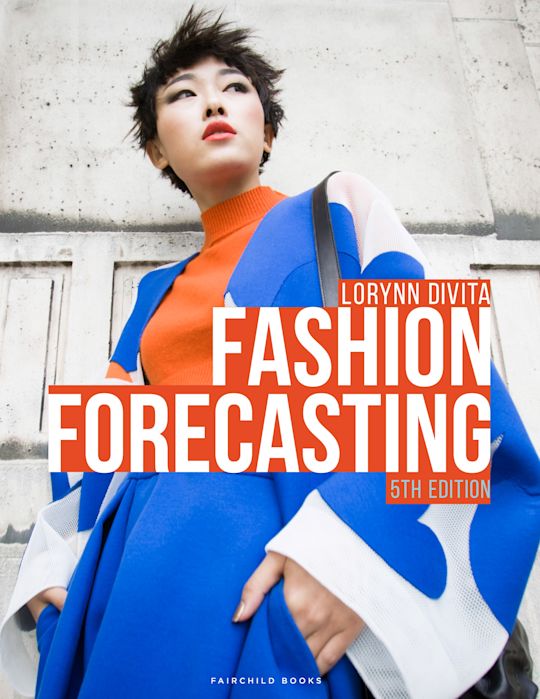
The 1970s silhouette has survived because it was never just about nostalgia; it was about volume and texture. Today, those elements are being grounded by the practical mechanics of modern streetwear. This fusion transforms historical pieces from costume into functional wardrobe staples, balancing the "fashion" of bold aesthetics with the "famine" of limited closet space and budget.
Layering remains the primary tool for this adaptation. Where 70s styling relied on heavy wool and thick knits, contemporary interpretations use technical fabrics to manage weight. A wide-leg corduroy pant, for instance, is often paired with a lightweight, moisture-wicking thermal layer rather than a bulky sweater. This approach maintains the visual drama of the era while ensuring the outfit remains breathable and mobile for urban commuting.
Athletic fabrics further bridge the gap between vintage appeal and current comfort. Sneaker culture has influenced the hemlines and cuts of 70s-inspired dresses and shirts, introducing stretch and durability where there was once only structure. A shirtdress might now feature gusseted seams or hidden elastic waists, allowing the garment to move with the body rather than restricting it. This shift prioritizes the wearer’s daily reality over strict historical accuracy.
Tech accessories serve as the final anchor, pulling these earthy, retro looks into the present. A structured leather satchel might be swapped for a water-resistant nylon crossbody, or a floppy hat replaced with a technical beanie. These small substitutions signal that the outfit is intentional and modern, not accidental or thrifted without direction. By mixing high-performance gear with vintage silhouettes, the style becomes resilient to the fast fashion cycle, offering a timeless alternative to disposable trends.
Building a timeless 2026 wardrobe
The 2026 forecast is defined by a tension between fleeting micro-trends and enduring staples. Navigating this requires distinguishing between fashion and famine: investing in pieces that offer lasting utility rather than succumbing to the waste of disposable style. The goal is a wardrobe that functions as a reliable foundation, allowing you to incorporate specific 2026 elements without being consumed by them.
Evaluate the 70s-Street Style Fusion
The dominant aesthetic of 2026 blends 1970s silhouettes with modern streetwear. This fusion is not about wearing a costume, but about integrating the relaxed, earthy tones and loose cuts of the 70s with the practicality of contemporary street style. Look for wide-leg trousers in sustainable fabrics or oversized knitwear that pairs easily with structured sneakers. This combination ensures versatility, allowing you to transition from casual to semi-formal settings without needing entirely new outfits.
Prioritize Ethical Production
Sustainability is no longer a niche preference but a market standard. Building a timeless wardrobe means verifying the ethical origins of your garments. Look for brands that disclose their supply chains and use eco-friendly materials. This approach reduces the environmental impact of your consumption and ensures that your investments in quality pieces are aligned with responsible manufacturing practices. A garment’s longevity is directly tied to its construction quality and the integrity of its production.
Invest in Versatile Basics
A timeless wardrobe relies on a core of high-quality basics that anchor trendier pieces. These include a well-fitted denim jacket, a neutral trench coat, and simple leather footwear. These items should be neutral in color and free from loud branding or seasonal embellishments. By focusing on these foundational elements, you create a flexible framework that can accommodate the specific 2026 trends, such as the 70s-street fusion, without requiring constant replacement.
Check for Long-Term Relevance
Before purchasing, assess whether a piece will remain relevant beyond the current season. Ask if it complements at least three existing items in your closet and if it suits multiple occasions. This simple filter helps avoid impulse buys driven by short-lived trends. A truly timeless piece will maintain its aesthetic and functional value for years, providing a higher return on investment than fast-fashion alternatives.
Sustainable fashion in 2026
The "Fashion or Famine" concept is no longer just a warning about environmental collapse; it is a market signal. In 2026, the industry is pivoting away from the disposable nature of fast fashion toward a model where longevity dictates value. This shift is driven by a growing consumer awareness that cheap, trend-driven clothing often comes at the cost of human rights and ecological stability.
"We love fashion, but we don't want our clothes to come at the cost of people or our planet."
This sentiment, echoed by Fashion Revolution, underscores the ethical imperative behind the trend. The 2026 forecast suggests that the fusion of 70s nostalgia and street style will not just be an aesthetic choice but a sustainability strategy. These eras prioritize durable fabrics, classic cuts, and versatile layering over fleeting micro-trends. By investing in timeless pieces, consumers reduce the volume of waste generated by seasonal disposability.
Ethical consumption in 2026 means evaluating the supply chain alongside the silhouette. Brands that transparently source materials and ensure fair labor practices are gaining market share. This is not merely altruism; it is a hedge against the volatility of resource scarcity. As raw material costs rise, the economic advantage of high-quality, long-lasting garments becomes undeniable. The "famine" scenario is avoided not by buying less, but by buying better.
The market response is visible in the rise of resale platforms and repair services. These sectors are integrating with primary retail, creating a circular economy that extends the lifecycle of garments. For the 2026 shopper, the question is no longer "Is this in style?" but "Will this last?" This mindset shift stabilizes the market, reducing the boom-and-bust cycles that characterize traditional fashion weeks.
No comments yet. Be the first to share your thoughts!