

The Phygital Frontier
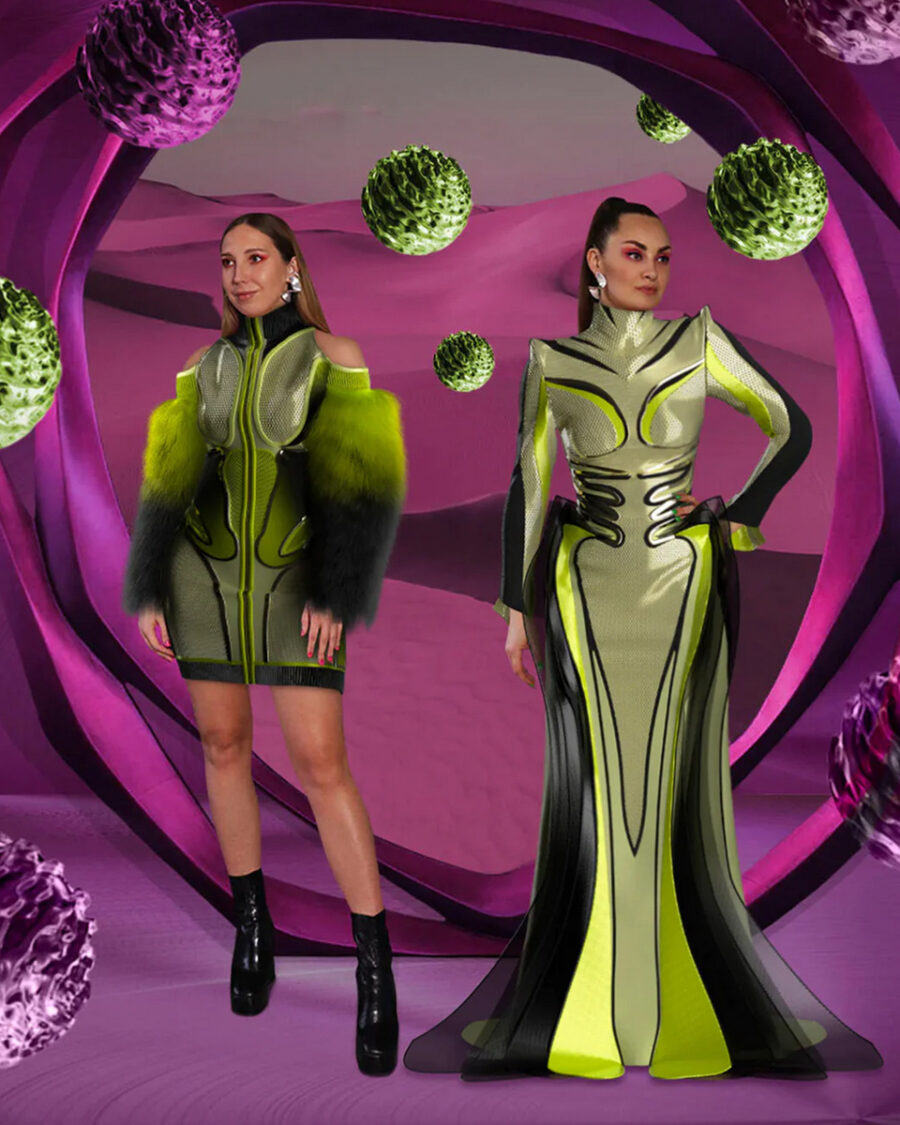
The term 'phygital'—a blend of physical and digital—is no longer a futuristic concept; it’s actively reshaping the world of fashion as we know it. In 2026, we see this manifesting in several ways, from augmented reality (AR) try-on experiences that let you virtually "wear" clothes before buying, to digital clothing designed exclusively for avatars in virtual worlds. NFTs are also playing a part, offering proof of ownership for unique digital garments.
This isn’t simply about adding a techy gloss to existing practices. It represents a fundamental shift in how we consume and interact with fashion. Early adopters, like DressX, are already offering a curated marketplace of digital fashion, and brands such as Gucci and Balenciaga are experimenting with virtual collections, recognizing the growing demand for digital self-expression. Consumer response has been initially enthusiastic, especially among younger demographics who are already heavily invested in online identities.
The initial consumer response to phygital fashion hasn't been without its hurdles. Concerns about the practicality of owning clothing that only exists online, and the environmental impact of the blockchain technology underpinning NFTs, are valid and being discussed. However, the appeal of owning exclusive, digitally-crafted items, and the opportunity to express oneself without the constraints of the physical world, are proving powerful motivators. We are seeing a growing acceptance of digital fashion as a legitimate form of self-expression.

AI in the design studio
Artificial Intelligence is quickly becoming an indispensable tool for fashion designers. AI algorithms are now capable of generating patterns, predicting upcoming trends based on data analysis, and even creating entire garment designs based on specified parameters. This isn’t about replacing human creativity; it’s about augmenting designers’ abilities and accelerating the design process.
Tools like Style3D are already being used to create 3D garment simulations, allowing designers to visualize their creations before physical production. More advanced AI systems are emerging that can analyze fashion shows, social media trends, and sales data to identify emerging styles and predict future demand. This allows brands to respond more quickly to changing consumer preferences.
I’m particularly curious to see how AI impacts creative control and originality. Will AI-generated designs become homogenized, or will designers find ways to leverage AI as a tool for unique and innovative expression? The potential is there for both, and the coming years will be crucial in defining the relationship between human designers and AI in the fashion industry.
Dressing your avatar
The rise of the metaverse and virtual worlds has fueled a growing demand for realistic and personalized avatars. People are increasingly using these avatars to express their identity and interact with others online, and fashion plays a crucial role in that expression. This is driving the growth of virtual styling services that help users create stylish looks for their avatars.
Brands are beginning to recognize the importance of providing digital wardrobes for the metaverse. Nike, for example, has launched Nikeland within Roblox, allowing users to dress their avatars in Nike apparel and accessories. This represents a new revenue stream for brands and a way to connect with consumers in a more immersive and engaging way. The level of detail people want in their avatars is surprising—they’re not just looking for basic outfits, but for nuanced customization options.
The technology behind avatar creation is rapidly evolving. Advanced scanning and modeling techniques are enabling the creation of avatars that closely resemble their real-world counterparts. However, achieving true personalization remains a challenge. Replicating the nuances of body shape, skin tone, and personal style requires sophisticated algorithms and a vast amount of data. The future will likely bring more AI-powered tools to help consumers create avatars that are truly representative of themselves.
Digital Fashion Marketplaces: A New Retail Model
Emerging digital fashion marketplaces are creating a new retail model where people can buy, sell, and trade digital clothing and accessories. Platforms like DressX and RTFKT Studios are leading the way, offering a curated selection of digital garments and collectibles. This market is still in its early stages, but it’s already attracting significant investment and attention.
The economic implications of this new market are substantial. Digital fashion offers the potential for increased accessibility, reduced production costs, and greater creative freedom. However, it also raises questions about ownership, authenticity, and the value of digital assets. NFTs and blockchain technology are playing a key role in addressing these challenges, providing a secure and transparent way to verify ownership and prevent counterfeiting.
It’s a bit of a wild west right now, with new marketplaces and digital fashion brands emerging all the time. Brands are adapting their business models to capitalize on this trend, offering both physical and digital products. The key to success will be understanding the unique needs and preferences of digital fashion consumers and creating a compelling brand experience.
Leading Digital Fashion Marketplaces - 2026 Comparison
| Brand | Brand Focus | Target Audience | NFT Integration | Unique Features |
|---|---|---|---|---|
| DressX | High Fashion & Everyday Wear | Gen Z and Millennial consumers interested in digital self-expression | Significant; facilitates buying, selling, and trading of digital fashion NFTs | Wide range of digital clothing options, including collaborations with established fashion brands, and 'try-on' filters for social media. |
| The Fabricant | Avant-Garde, Digital-Only Designs | Early adopters of digital fashion, collectors, and those interested in exploring digital identity | Core to their business model; creates and sells digital garments as NFTs | Focus on creating hyperrealistic digital garments and experiences, pushing the boundaries of digital aesthetics. |
| RTFKT Studios (Nike) | Sneakers & Collectibles | Sneakerheads, NFT collectors, and digitally-native consumers | Central; leverages NFTs for authentication, ownership, and community access | Known for limited-edition digital sneakers and collectibles, often with physical counterparts or metaverse integration. |
| CLO Virtual Fashion | 3D Garment Simulation & Design | Fashion designers, brands, and retailers | Emerging; exploring NFT integration for digital asset management and virtual fashion shows | Provides tools for creating realistic 3D garment prototypes and virtual fashion experiences, used across the fashion industry. |
| Style3D | 3D Design and Collaboration | Fashion designers, brands, and retailers | Exploring NFT integration for digital asset verification | Focuses on providing a complete 3D pipeline for fashion design, from concept to production, with collaborative features. |
| Obsess | Virtual Showrooms & Retail Experiences | Brands looking to create immersive online shopping experiences | Potential for NFT-based virtual items and exclusive access | Specializes in building branded virtual showrooms and retail environments for online shopping. |
| Dematerialized | Luxury Digital Fashion | Collectors and enthusiasts of high-end digital fashion | Strong; focuses on limited-edition digital garments as NFTs | Partners with luxury fashion brands to create exclusive digital collections. |
Illustrative comparison based on the article research brief. Verify current pricing, limits, and product details in the official docs before relying on it.
3D Fashion and Virtual Try-On
3D fashion design is revolutionizing the way garments are created and presented. Brands are using 3D modeling to create more realistic and immersive shopping experiences, allowing customers to visualize clothing on their own bodies before making a purchase. This is particularly valuable for online retailers, where customers can’t physically try on clothes.
Virtual try-on technology is becoming increasingly sophisticated. Companies are developing AR apps that allow customers to "try on’ clothes using their smartphone cameras. These apps use computer vision and machine learning to accurately map clothing onto the user"s body, providing a realistic preview of how it will look. This offers benefits for consumers – reducing returns, increasing confidence in their purchases – and for brands, reducing the cost of returns.
I'm not sure if virtual try-on will ever fully replace the physical experience of trying on clothes, but it's getting closer. The challenges lie in accurately representing fabrics and fit in a virtual environment. Different materials drape and move in different ways, and accurately simulating these properties requires advanced algorithms and high-quality 3D models. However, as technology continues to improve, we can expect virtual try-on to become even more realistic and widespread.
The environmental cost of digital clothes
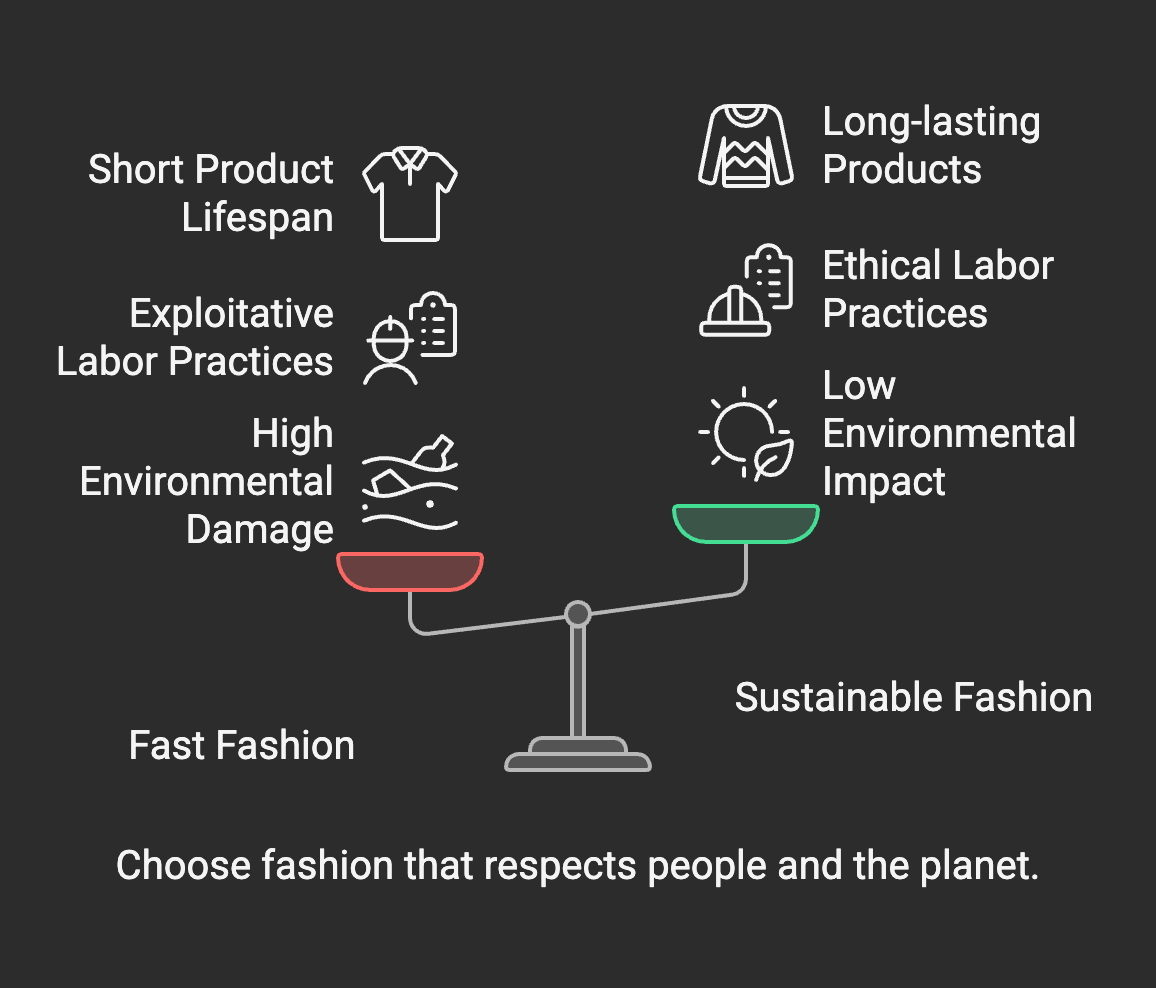
Digital fashion has the potential to address many of the environmental concerns associated with the traditional fashion industry. The production of physical clothing requires vast amounts of water, energy, and raw materials, and generates significant waste. Digital clothing, on the other hand, has a much smaller environmental footprint.
By reducing the need for physical production, digital fashion can help to conserve resources and minimize pollution. It can also promote more sustainable consumption patterns, encouraging people to buy less and choose quality over quantity. However, it's important to consider the energy costs associated with creating and maintaining digital fashion – the servers that power the metaverse and the blockchain networks that underpin NFTs consume significant energy.
It's a complex issue, and we need to consider the full lifecycle impact of digital fashion. Simply assuming digital is automatically "green" is a mistake. A holistic assessment is needed, taking into account the energy consumption of the technology, the environmental impact of data storage, and the potential for obsolescence. Nevertheless, digital fashion represents a significant opportunity to create a more sustainable fashion industry.
The Rise of AI Fashion Assistants
AI-powered fashion assistants are becoming increasingly popular, offering personalized style recommendations, creating outfits, and even shopping for you. These tools use machine learning algorithms to analyze your preferences, learn your style, and suggest items that you’re likely to love. They’re becoming more sophisticated and integrated into our online shopping experiences.
These assistants learn about our preferences by tracking our browsing history, purchase data, and social media activity. They can also ask us questions about our style and body type to refine their recommendations. The data they collect raises important ethical considerations, including privacy and the potential for bias. It’s crucial that these tools are transparent about how they’re using our data and that they’re designed to avoid perpetuating harmful stereotypes.
This feels like a natural extension of existing recommendation algorithms, but with more power. As AI technology continues to advance, we can expect these assistants to become even more personalized and proactive, anticipating our needs and offering increasingly relevant suggestions. The future may see AI assistants curating entire digital wardrobes for us, based on our individual style and preferences.


No comments yet. Be the first to share your thoughts!