
The 70s Revival: A New Silhouette
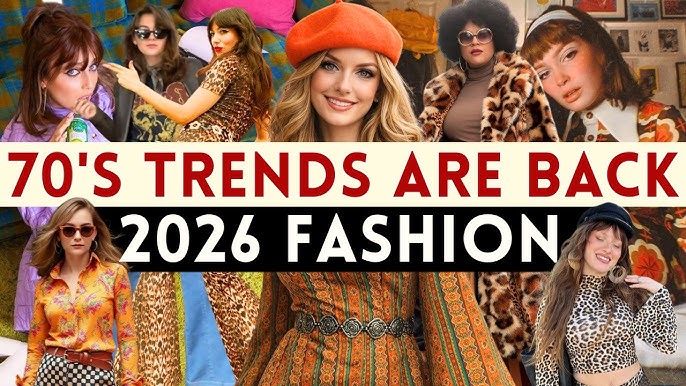
The 1970s are back, but not as a direct costume replay. We’re seeing a significant resurgence of 70s-inspired fashion for 2026, but it’s filtered through a distinctly modern lens—one that prioritizes ease and understatement. Forget the flamboyant jumpsuits and dizzying patterns; the current mood is about taking the essence of the decade and translating it into wearable, everyday pieces.
The 70s were, famously, a period of incredible stylistic diversity. From the free-flowing bohemian looks and the glittering excess of disco to the rebellious energy of punk, there was something for everyone. However, the 2026 revival isn’t picking a single lane. Instead, it’s extracting the most flattering elements – the relaxed silhouettes, the natural fabrics – and stripping away the artifice.
This isn’t about recreating iconic outfits exactly. It’s about understanding the underlying principles of 70s style – a certain freedom, a sense of comfort – and applying them to a contemporary minimalist framework. We’re seeing a real pushback against fast fashion and a desire for pieces that feel timeless and considered, and this 70s influence is perfectly positioned to fulfill that need. It's a subtle nod to the past, not a wholesale imitation.
Wide Legs & Fluid Fabrics
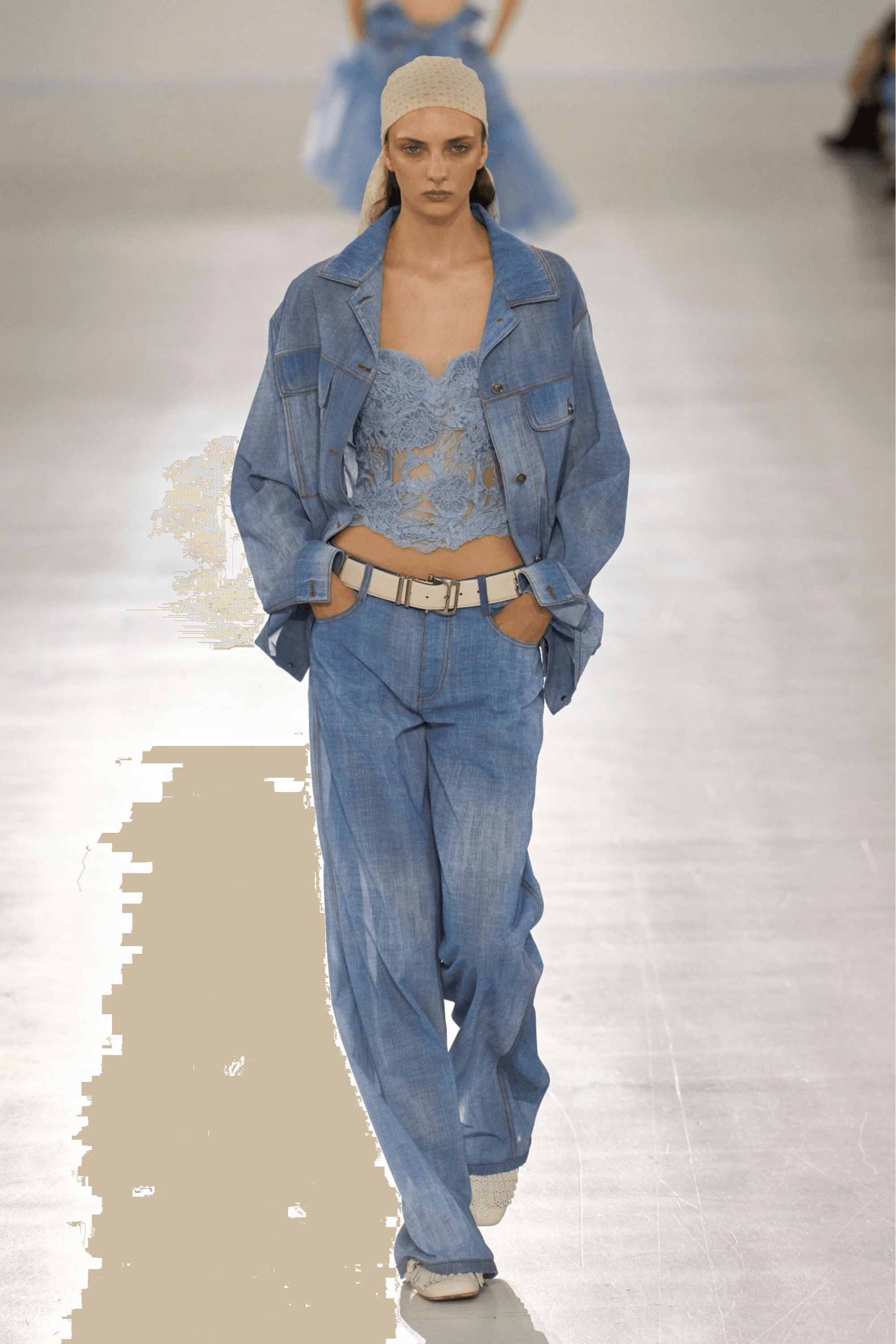
The defining silhouette of this 70s-meets-minimalism trend is undoubtedly the wide leg. Whether it's trousers, jeans, or dresses, a flowing, relaxed fit is key. This is a departure from the skinny jeans and bodycon dresses that dominated the last decade, and it feels incredibly fresh and comfortable. Think less Studio 54, more effortless chic.
What sets this revival apart from previous 70s iterations is the fabric choice. While the original decade often relied on synthetic materials like polyester, the 2026 version favors natural and sustainable options. Tencel, with its beautiful drape and eco-friendly production, is hugely popular. Linen blends offer breathability and a relaxed texture, and lightweight wool provides a sophisticated alternative for cooler weather.
These fabrics aren’t just about aesthetics; they speak to a broader shift in consumer values. The focus on breathability, drape, and sustainability aligns perfectly with the 'quiet luxury' aesthetic – a preference for understated elegance and high-quality materials. This is fashion designed to last, both in style and construction.
260109 10:05 Li-Ning x Xiao Zhan
— ✿ฺ hana ฺ (@wxyzybxz) January 9, 2026
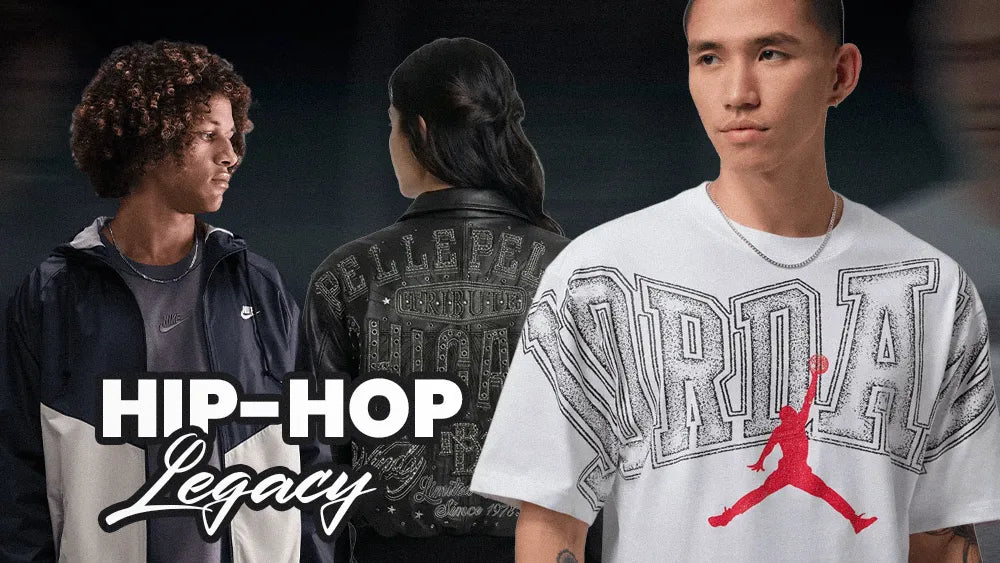
Explore the new CLUB collection with LiNing GBA Xiao Zhan, interpreting retro fashion trends and experiencing relaxed style.#XiaoZhanxLining
pic.twitter.com/YFF206Y0A5
Color Palettes: Earth Tones Elevated
The 70s were known for a bold and sometimes overwhelming color palette – think burnt orange, avocado green, and mustard yellow. While these shades still have their place, the 2026 interpretation is far more restrained. We’re seeing a move towards a muted, earthy palette of terracotta, olive, ochre, and cream.
These colors aren’t being used as loud statements, but rather as grounding neutrals. They create a sense of warmth and sophistication without being overly flashy. This makes them incredibly versatile and easy to incorporate into existing minimalist wardrobes. They also pair beautifully with other neutral tones like beige, grey, and black.
Referencing fashionhistory.fitnyc.edu confirms the prevalence of these warmer tones in the 70s, but the modern approach is about softening them. Instead of a bright, saturated orange, we’re seeing a dusty terracotta. Instead of a vibrant avocado green, we’re seeing a muted olive. This subtle shift makes all the difference.
The Knitwear Renaissance
Knitwear was a major player in 70s fashion, and it’s experiencing a renaissance in 2026. But this isn’t your grandmother’s knitwear. While chunky textures are still popular, the focus is on simplicity and versatility. Cardigans, oversized sweaters, and knit dresses are key pieces.
The texture of knitwear adds visual interest to minimalist outfits, preventing them from feeling flat or boring. A chunky knit cardigan layered over a simple slip dress, for example, creates a perfectly balanced look. The key is to keep the colors neutral – cream, beige, grey, or camel – to maintain that minimalist aesthetic.
There’s also a growing interest in "cottagecore,’ which is influencing knitwear trends. This aesthetic emphasizes a romantic, rural lifestyle, and it"s reflected in the popularity of hand-knit or handmade-looking pieces. Importantly, there's an increasing demand for sustainable knitwear – recycled cashmere and organic cotton are becoming increasingly prevalent.
Accessorizing with Restraint
The 70s were known for bold, statement-making accessories – think large belts, platform shoes, and oversized sunglasses. For 2026, the approach is decidedly more subtle. The emphasis is on quality over quantity, and on adding personal touches without overwhelming the outfit.
Delicate gold jewelry – simple chains, small hoops, and minimalist rings – is a key accessory. Leather belts, in neutral colors like brown or black, can be used to cinch the waist and add definition. Simple scarves, tied around the neck or head, can add a pop of color or texture. The goal is to enhance the outfit, not distract from it.
Investing in a few well-made pieces is crucial. A high-quality leather belt or a pair of gold earrings will last for years and can be worn with a variety of outfits. This is a far cry from the disposable fashion of the past, and it reflects a more conscious and considered approach to style. It’s about building a wardrobe of timeless pieces that you love.
- Delicate gold jewelry
- Leather belts
- Simple scarves
Footwear: From Platforms to Loafers
Platform shoes were the footwear of the 70s, but they’re not making a significant comeback for 2026. The focus is on comfort, practicality, and versatility. Loafers, ankle boots, and simple sandals are the go-to choices.
The classic loafer is experiencing a major resurgence, and it fits perfectly into the minimalist aesthetic. Whether it’s a traditional leather loafer or a more modern, chunky version, it’s a versatile shoe that can be dressed up or down. Ankle boots, in neutral colors like brown or black, are another essential. Simple sandals are perfect for warmer weather.
I’m not entirely convinced about the return of clogs – they feel a bit too niche for this particular trend. However, I’ll continue to monitor the situation. The key, regardless of the style, is to choose shoes in neutral colors and high-quality materials. This ensures they’ll complement a wide range of outfits and last for years to come.
Decoding the '70s Influence: Key Pieces
To really understand this trend, let's break down some key pieces that embody the 70s-meets-minimalism aesthetic. These aren't about recreating exact looks, but about incorporating the feeling of the decade into your modern wardrobe.
Wide-leg trousers: Look for high-waisted styles in flowing fabrics like Tencel or linen. Pair them with a simple fitted top for a balanced silhouette. Brands like Everlane and Aritzia offer excellent options. Styling tip: Roll the waistband slightly for a more relaxed look.
Terracotta knit cardigan: A chunky knit cardigan in a warm terracotta shade is a versatile layering piece. Wear it over a slip dress or with wide-leg trousers and a white tee. Quince is a great resource for affordable cashmere cardigans. Styling tip: Leave it open for a relaxed vibe or belt it at the waist for a more defined shape.
Cream-colored midi dress: A flowing midi dress in a neutral cream color is a wardrobe staple. Look for styles with subtle details like puff sleeves or a tie waist. Reformation offers beautiful, sustainable options. Styling tip: Add a leather belt and ankle boots for a sophisticated look.
Leather belt: A high-quality leather belt in brown or black can cinch the waist and add definition to any outfit. Madewell offers a range of classic leather belts. Styling tip: Choose a belt with a simple buckle to maintain the minimalist aesthetic.
Leather loafers: A pair of classic leather loafers is a must-have for this trend. Sam Edelman makes comfortable and stylish loafers at a reasonable price point. Styling tip: Wear them with socks for a preppy look or barefoot for a more casual vibe.
70s Inspiration vs. 2026 Updates: Key Pieces
| Piece Name | 1970s Characteristics | 2026 Interpretation | Styling Notes |
|---|---|---|---|
| Wide-Leg Pants | High-waisted, often in denim or corduroy; flared or bell-bottom silhouette. Earth tones and bold prints were common. | High-waisted, but with a straighter, more relaxed wide leg. Focus on quality fabrics like linen or Tencel in neutral colors. | Pair with fitted knit tops or tucked-in blouses. Emphasis on a clean, minimalist aesthetic. Avoid overly embellished tops. |
| Wrap Dress | Polyester jersey was a popular fabric choice, often featuring bold floral prints or geometric patterns. Typically knee-length or midi. | Similar silhouette, but updated with sustainable fabrics like organic cotton or silk blends. Prints are more subtle – think abstract florals or tonal patterns. | Wear with simple sandals or ankle boots. Accessorize with delicate gold jewelry. The key is a refined, less fussy look. |
| Platform Shoes | Often made of cork or wood, with substantial height. Popular styles included platform sandals and boots. | Lower, more wearable platform heights. Focus on comfort and walkability with materials like rubber or cushioned soles. Styles include platform loafers or block-heeled sandals. | Pair with wide-leg pants or midi skirts for a balanced silhouette. Avoid overly chunky or brightly colored platforms. |
| Knitted Vests | Frequently worn over blouses or dresses, often in bright colors or with intricate patterns. A key layering piece. | Fine-gauge knit vests in neutral tones (cream, beige, gray). Often worn over simple t-shirts or as a standalone top. | Layer over a crisp white shirt or a silk camisole. The 2026 update emphasizes a more sophisticated and understated look. |
| Suede Jackets | Fringed suede jackets were a signature 70s item, often in earthy tones like brown or tan. | Suede jackets remain relevant, but with cleaner lines and a more tailored fit. Color palettes lean towards muted tones or classic black. | Wear over dresses or paired with jeans and a t-shirt. Focus on a timeless, versatile piece rather than a statement item. |
| Maxi Skirts | Flowing maxi skirts in bohemian prints or solid colors were a staple. Often paired with fitted tops. | Maxi skirts in solid colors or subtle prints, made from lightweight, breathable fabrics. Silhouettes are often A-line or slightly flared. | Pair with a simple tank top or a tucked-in blouse. The 2026 update emphasizes ease and comfort. |
Illustrative comparison based on the article research brief. Verify current pricing, limits, and product details in the official docs before relying on it.
Styling It All Together: Outfit Ideas
Now that we’ve discussed the key pieces, let’s put them together into some complete outfit ideas. These examples demonstrate how to incorporate the 70s-meets-minimalism trend into your everyday life.
Outfit 1: Effortless Everyday. Wide-leg trousers (terracotta) + a simple white tee + leather loafers (brown) + a leather tote bag. This is a classic and comfortable look that’s perfect for running errands or meeting friends for lunch. The key is to keep the accessories minimal.
Outfit 2: Sophisticated Casual. Cream-colored midi dress + terracotta knit cardigan + ankle boots (brown) + delicate gold necklace. This outfit is perfect for a date night or a dinner with friends. The cardigan adds warmth and texture, while the necklace adds a touch of elegance.
Outfit 3: Relaxed Weekend. Wide-leg jeans + a fitted black turtleneck + leather loafers + a leather belt. This outfit is comfortable and stylish, and it’s perfect for a weekend getaway. The turtleneck provides a sleek contrast to the relaxed jeans.
Outfit 4: Polished Professional. Wide-leg trousers (olive) + a cream silk blouse + leather loafers + a structured tote bag. This look works well for a business casual office. The silk blouse elevates the outfit, while the loafers keep it comfortable.
No comments yet. Be the first to share your thoughts!