The 70s: A Fashion Revolution
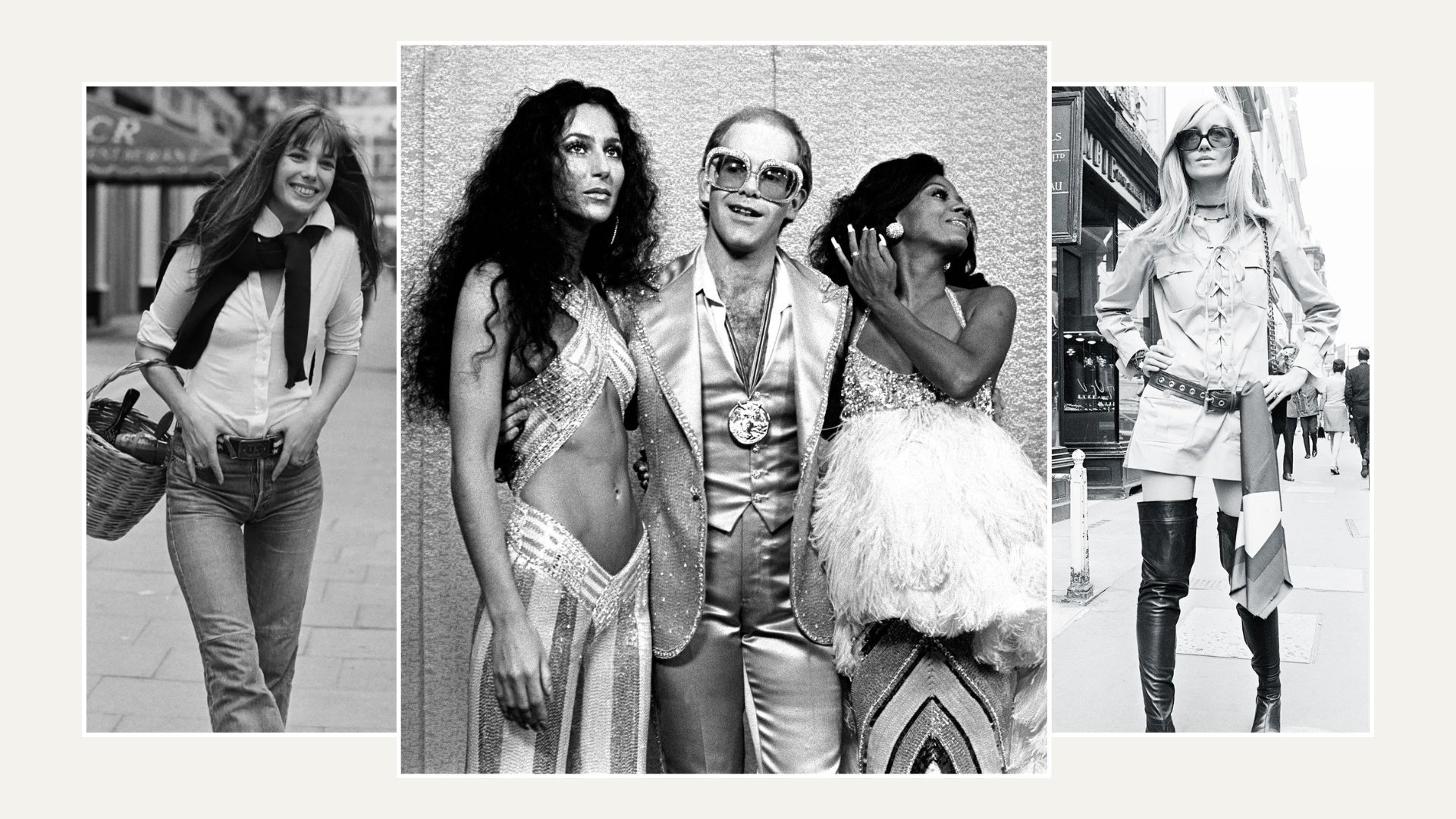
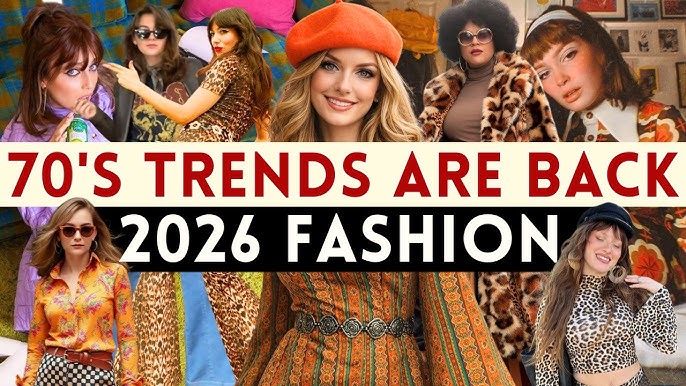
The 1970s marked a significant shift in women’s fashion, moving away from the structured styles of the early 60s. While the miniskirt remained, it shared the stage with a much broader array of silhouettes and aesthetics. This era saw an explosion of individual expression, driven by social change, music, and a growing desire for comfort and freedom.
Early 70s fashion embraced "boho" or bohemian style, inspired by the hippie movement and a romanticized past. This meant flowing maxi dresses, peasant blouses, and a rejection of mainstream norms. Later, disco brought a more glamorous, fitted aesthetic, seen in outfits from Studio 54. By the late 70s, punk rock introduced a rebellious, deconstructed edge.
Transitions weren't always smooth. Bell bottoms appeared alongside tailored trousers, and delicate lace was paired with rugged denim. It was a period of experimentation, where women actively defined their own style instead of passively following trends. Designers like Diane von Furstenberg, with her wrap dress, and Halston, with his minimalist elegance, shaped this diverse fashion scene. The decade marked a shift from conformity to self-expression.
Flare Jeans: From Rebellion to Runway
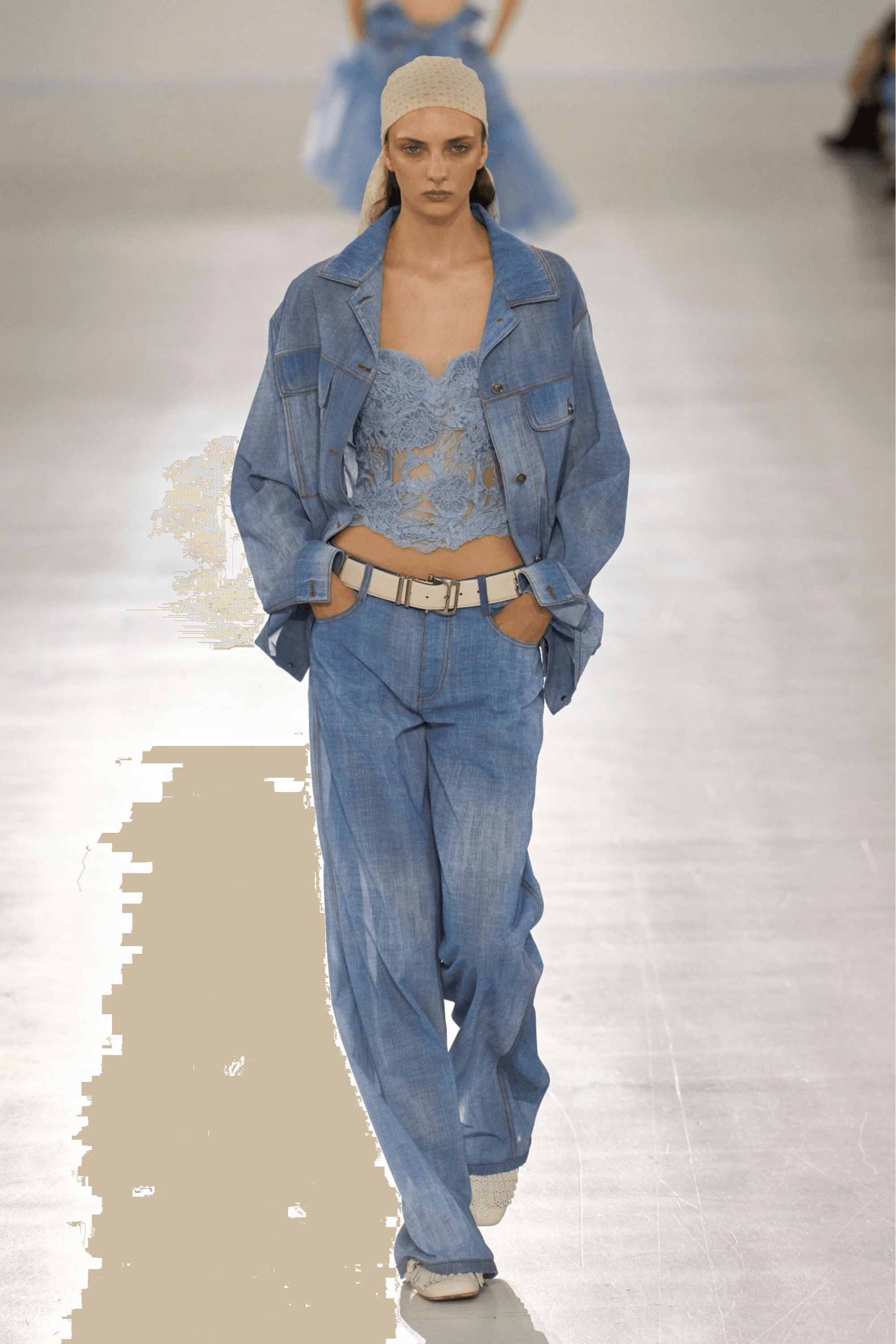
Flare jeans, a defining silhouette of the 70s, are returning to prominence in 2026 spring collections. Originally a symbol of counterculture and rebellion, flares were embraced by rock stars and those rejecting conservative styles. They represented a loosening of social constraints and a celebration of individuality.
Flares evolved throughout the 70s. Early flares, or "bell bottoms," were dramatically wide from the knee down. As the decade progressed, the flare softened into a bootcut shape, becoming more mainstream. By the late 70s, variations in wash and denim weight reflected broader style diversification. Levi's 501s were a staple, often customized with embroidery or patches.
Designers bringing flares back for 2026 aren't just replicating the 70s look. While nostalgia plays a role, it's also a reaction against skinny jeans. Brands like Frame and Mother have offered flared denim for seasons, and now luxury and contemporary markets are adopting them more widely. This signals a move towards comfortable, flowing silhouettes and a less restrictive fit. Updated versions often feature a higher waist and a more refined thigh fit.
A key driver is the overall shift towards a more relaxed aesthetic in fashion. After years of athleisure and minimalist dressing, people crave something with more personality and flair. It's about the silhouette and the feeling it evokes – freedom and effortless style.
🚨 DEAL ALERT 🚨
— Deals Dispatch (@DealsDispatch) April 26, 2026
AUTOMET Women's Short Sleeve Shirts Henley Dressy Casual Summer Tops 2026 Spring Fashion Blouses Trendy Cute T-Shirts Business Work Outfits Clothes Wi
Find it here: https://t.co/fqY0t7KVkP#AmazonDeals #TechDeals #Amazon #Deals pic.twitter.com/tLCyFblZ5D
Boho Chic: A 70s Echo
The revival of boho chic is a direct nod to 70s women’s fashion in 2026 collections. The original aesthetic featured flowing silhouettes, natural fabrics like cotton and linen, and intricate details like embroidery and crochet. It celebrated femininity and a connection to nature, seen in Stevie Nicks’ lace and velvet or Joni Mitchell’s dresses and vests.
The 70s boho aesthetic drew heavily from global cultures and folk traditions. The original appropriation of these styles remains a debated concern. Designers are navigating this carefully, with some brands collaborating directly with artisans from the cultures that inspired the style.
For 2026, designers interpret boho chic in various ways. Some offer literal translations with maxi dresses featuring floral prints and embroidered details. Others take a modern approach, incorporating boho elements into tailored pieces or using unexpected fabric combinations. Crochet is prominent in tops and vests, alongside peasant blouses paired with modern denim.
A trend toward more sustainable fabrics is evident in these interpretations. Designers are utilizing organic cotton, recycled materials, and eco-friendly dyes for a more responsible boho aesthetic. This honors the spirit of the original style while addressing cultural and environmental concerns.
Key Silhouettes: Beyond Flares and Flow
While flares and flowing dresses are central to the 70s revival, other key silhouettes from the decade are also returning. The wrap dress, popularized by Diane von Furstenberg, remains a classic, reimagined in various prints and fabrics for 2026. Its flattering shape and versatile style make it a perennial favorite.
Jumpsuits, another 70s staple, are gaining traction. Designers offer wide-leg and fitted jumpsuits in materials from denim to silk. High-waisted trousers, often paired with tucked-in blouses or fitted tops, are a key trend, offering a sophisticated and flattering silhouette. The midi-length A-line skirt is also back.
Platform shoes, a defining feature of 70s style, are having a moment. From chunky sandals to towering heels, platforms add retro glamour to contemporary outfits. Designers play with proportions, pairing platforms with flowing dresses or tailored trousers for a balanced look. These are modernizations with updated materials and construction, not just direct replicas.
70s Silhouettes Reimagined
- High-Waisted Flare Jeans - The quintessential 70s denim look, characterized by a fitted waist and dramatically widening leg. Often paired with fitted tops.
- Wrap Dresses - Diane von Furstenberg’s iconic design, known for its flattering silhouette and ease of wear. Typically made of jersey knit with a distinctive tie at the waist.
- Platform Shoes - From sandals to boots, platforms were a defining footwear trend. Expect to see updated versions with chunkier soles and diverse materials.
- Peasant Blouses - Loose-fitting, often with gathered shoulders and sleeves, these blouses embody the bohemian spirit of the decade. Frequently featuring floral prints or embroidery.
- Suede Jackets & Vests - Suede was a popular material, appearing in jackets, vests, and fringe detailing. Expect to see softer color palettes and updated cuts in 2026.
- Maxi Dresses & Skirts - Flowing, floor-length dresses and skirts in lightweight fabrics like cotton and chiffon. Often adorned with bold prints or delicate florals.
- Knitted Tank Tops & Sets - Ribbed knit tanks and coordinating cardigans or pants were a casual staple. 2026 collections are showing a return to this comfortable, textured style.
Fabrics and Textures: Corduroy, Suede, and Knit
The 70s embraced texture, and corduroy, suede, and chunky knitwear are strongly returning in 2026 collections. Corduroy is having a major moment, appearing in pants, jackets, skirts, and dresses. It's used in various colors, from classic earth tones to brighter, contemporary shades.
Suede is back, adding luxury and sophistication. Suede jackets, skirts, and boots are popular. Designers pair suede with other textures, like denim or leather, for interesting contrasts. Chunky knitwear, particularly oversized sweaters and cardigans, offers a cozy and comfortable feel.
undefined outfits, aligning with the broader trend towards more conscious consumption. Designers are experimenting with different crochet techniques and yarn weights to create unique and textured pieces. The return of these fabrics isn't just about aesthetics; it's about a desire for tactile experiences and a connection to craftsmanship.
Color Palettes: Earth Tones and Mustard Yellow
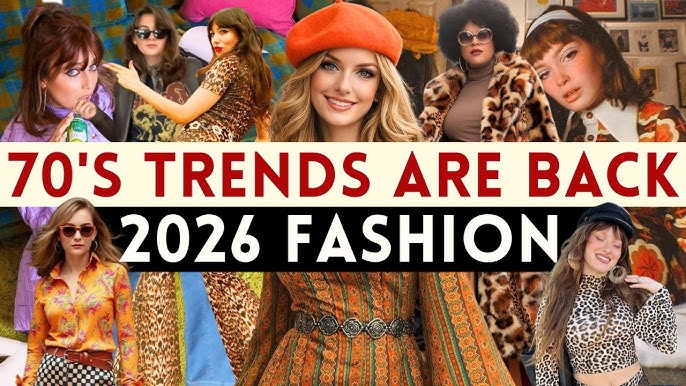
The color palettes of the 70s were heavily influenced by nature, with earth tones like browns, oranges, and greens dominating the decade. Mustard yellow and burnt orange were also popular choices, adding a touch of warmth and vibrancy. These colors are making a significant return in 2026 spring collections.
Designers are using these colors in a variety of ways. Some are opting for a monochromatic look, pairing different shades of brown or orange together. Others are using earth tones as accents, pairing them with brighter, more modern shades like cobalt blue or emerald green. Mustard yellow is being used as a statement color, appearing in everything from dresses and blouses to accessories.
I've observed that the use of these colors isn’t always a direct replication of 70s palettes. Designers are often softening the tones, opting for more muted or pastel shades. This creates a more contemporary and wearable look. The emphasis is on evoking the feeling of the 70s, rather than simply copying the colors exactly. It’s about creating a sense of warmth, nostalgia, and earthy sophistication.
70s Color Palettes vs. 2026 Spring Interpretations
| Color | 70s Usage | 2026 Usage | Overall Impression |
|---|---|---|---|
| Mustard Yellow | Frequently used in corduroy, knits, and as an accent color, often paired with browns and oranges. Reflected the earth-tone aesthetic. | Appears in sheer fabrics and as a brighter, more saturated hue in dresses and separates. Often combined with cooler tones like lavender. | Modern Twist - The 2026 interpretation brightens the shade and uses it in less expected materials. |
| Avocado Green | A dominant color in home decor and fashion, seen in everything from dresses to platform shoes. Symbolized natural living. | Re-emerges as a softer, more muted sage green. Used in flowy dresses and paired with creams and browns. | Subtle Nod - The color is present, but softened and refined for a contemporary look. |
| Burnt Orange | Popular in bohemian styles and knitwear. Often combined with brown, gold, and other earth tones. | Displayed in textured separates like suede and corduroy, and also in statement accessories. Often paired with navy or deep teal. | Faithful Recreation - The 2026 collections retain the warmth of the original, but with updated styling. |
| Chocolate Brown | A foundational color in 70s wardrobes, used in pants, jackets, and accessories. Grounded many outfits. | Used as a neutral base, appearing in leather goods, wide-leg trousers, and knitwear. Often contrasted with brighter colors. | Faithful Recreation - Brown maintains its role as a core neutral, but is styled in a more versatile manner. |
| Cream/Off-White | Used extensively in flowing dresses, blouses, and peasant tops, creating a relaxed and ethereal look. | Dominates in crochet detailing, lace, and lightweight fabrics, furthering the boho aesthetic. Often layered with other colors. | Faithful Recreation - The airy and light quality of cream remains central to the 2026 interpretation of 70s style. |
| Deep Teal | Less ubiquitous than earth tones, but present in velvet pieces and as an accent color, adding a touch of sophistication. | Featured in luxurious fabrics like silk and satin, appearing in jumpsuits and evening wear. Often paired with gold. | Modern Twist - The 2026 usage elevates the color with richer fabrics and a more glamorous feel. |
Illustrative comparison based on the article research brief. Verify current pricing, limits, and product details in the official docs before relying on it.
Accessories: Platform Shoes and Wide Belts
Accessories are crucial for completing any 70s-inspired look, and several key pieces from the decade are back in a big way. Platform shoes, as mentioned earlier, are adding height and glamour to outfits. Wide belts, often cinched at the waist over dresses or tunics, are also a key trend, emphasizing the silhouette.
Oversized sunglasses, with large frames and tinted lenses, are another defining accessory of the 70s. These are being updated for 2026 with modern shapes and materials. Long necklaces, often featuring pendants or beads, are also making a comeback, adding a touch of bohemian flair. Headscarves, tied around the head or neck, are another popular accessory, offering a versatile and stylish way to complete a look.
Designers are styling these accessories in a variety of ways. Platforms are being paired with flowing dresses for a retro vibe, or with tailored trousers for a more modern look. Wide belts are being used to cinch in oversized sweaters or jackets, creating a flattering silhouette. The key is to incorporate these accessories in a way that feels fresh and contemporary, rather than simply recreating a vintage look.
No comments yet. Be the first to share your thoughts!