

Y2K's Second Wave
Y2K fashion is back for 2026, moving beyond simple nostalgia. The playful maximalism of the early 2000s is seeing a full revival. While the first wave around 2018 felt like a rehash of iconic looks from stars like Britney Spears and Paris Hilton, this time it's evolving. Designers are reimagining the era rather than just replicating it.
The focus isn't just on low-rise jeans and baby tees. It's about capturing the Y2K attitude—its boldness, confidence, and experimental spirit—and applying it to modern silhouettes and fabrics. The optimistic energy of the era seems to resonate, especially after years of minimalist trends and the pandemic.
Gen Z's fascination with vintage aesthetics and TikTok initially fueled this comeback. By 2026, however, adoption is widening across demographics. Brands like Blumarine and Diesel are leading this trend, offering collections that capture the Y2K spirit with a refined, modern approach. It's now about genuine appreciation, not just irony.
A key difference between the first and second wave is a heightened awareness of the era’s problematic elements. The original Y2K was often associated with unrealistic body standards and consumerism. The 2026 revival attempts to address these issues by promoting inclusivity and sustainability, albeit with varying degrees of success.
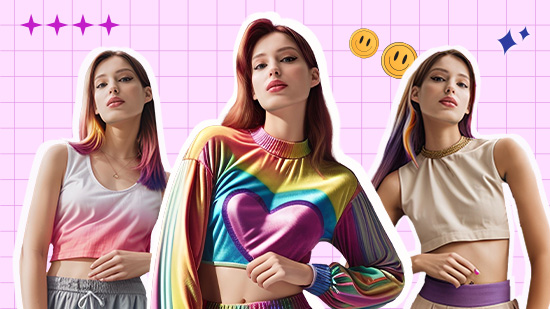
Low-Rise & Beyond: Key Silhouettes
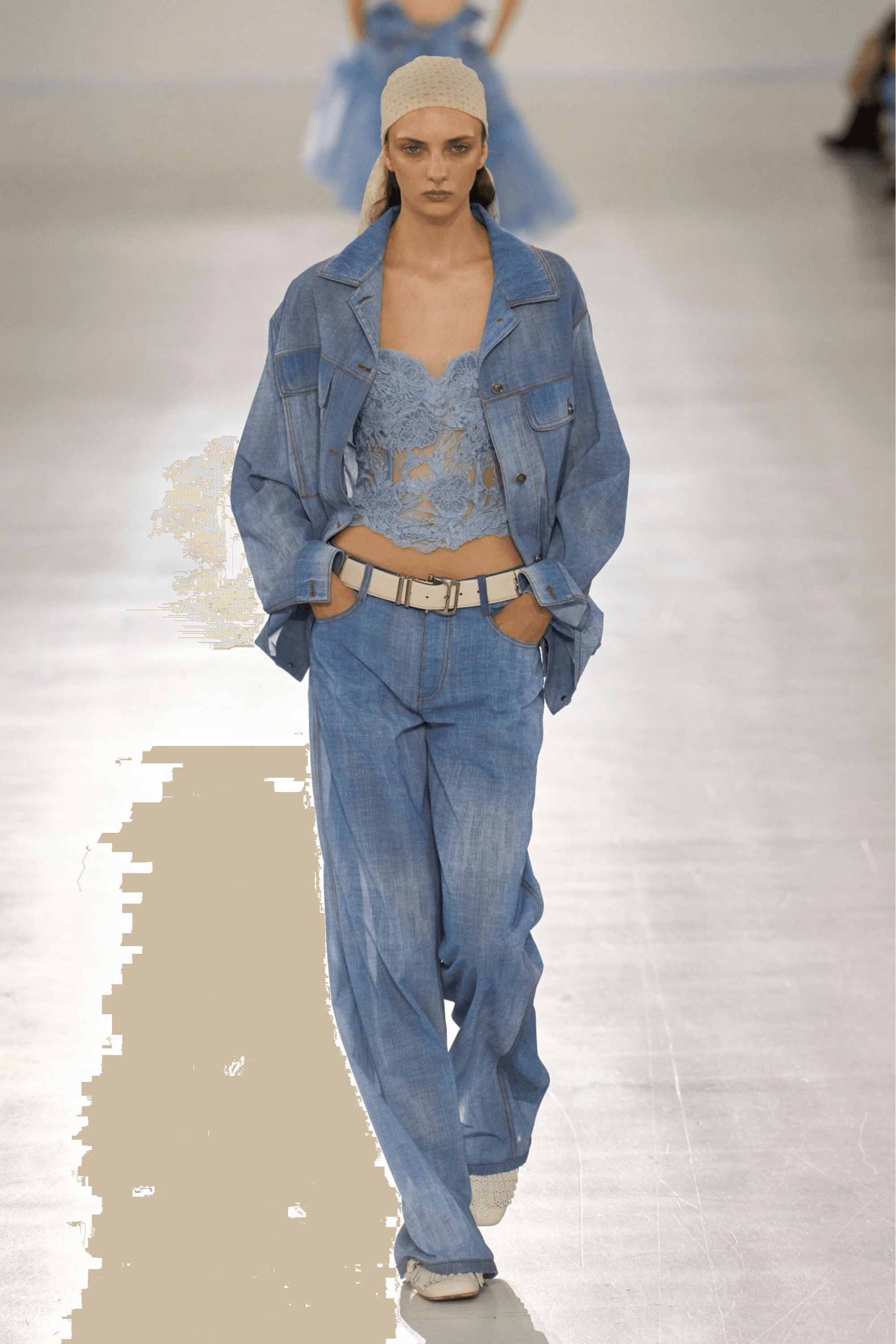
Low-rise jeans are back, though not as dominant as before. The 2026 version is more nuanced, often paired with oversized tops or structured jackets for balance. Expect a wider range of washes and fits, including relaxed, wide-leg styles and cargo pants, moving away from the super-skinny looks of the early 2000s.
Baby tees and halter tops remain popular, but they’re being constructed from more luxurious fabrics like silk and linen. Designers are also playing with asymmetry – one-shoulder tops and dresses are prominent, adding a modern edge to the Y2K aesthetic. Mini skirts are still a staple, but often feature interesting textures or embellishments.
Tailored separates are also reappearing. Low-slung trousers paired with fitted blazers or cropped vests create a sophisticated yet playful look. Justine Leconte's Spring/Summer 2026 trend report noted the importance of 'effortless chic,' a style blending comfort and sophistication.
undefined Oversized hoodies, graphic tees, and chunky sneakers are frequently incorporated into Y2K-inspired outfits. This fusion of styles reflects a desire for versatility and self-expression. I'm noticing a lot of experimentation with layering and mixing different textures.
- Low-rise jeans: Wider legs, cargo styles, interesting waist details
- Baby tees & halter tops: Updated fabrics like silk and linen
- Mini skirts: Textured or embellished
- Asymmetrical tops & dresses: One-shoulder styles
AI Style: The Algorithm's Influence
Artificial intelligence isn’t designing our clothes (not yet, anyway), but it’s rapidly changing how we discover and consume fashion. In 2026, AI-powered styling tools are becoming increasingly sophisticated, offering personalized recommendations based on individual preferences and body types. Platforms like Stitch Fix and Thread are leading the charge, using algorithms to curate outfits and suggest items.
The emergence of 'algorithmic aesthetics' is another key trend. AI is analyzing vast amounts of data – social media posts, runway shows, street style photos – to identify emerging trends and predict what consumers will want. This information is then used to influence design decisions and marketing strategies. It’s a little unsettling, honestly, how quickly these tools are becoming integrated.
Platforms like TikTok and Instagram are leveraging AI to personalize users’ feeds, showing them content that aligns with their style preferences. This creates a feedback loop, where AI reinforces existing trends and potentially limits exposure to new ideas. Who What Wear reported that AI-driven visual search is becoming a primary way for consumers to find clothing items they've seen online.
We’re also seeing the rise of virtual try-on technologies, powered by augmented reality and AI. These tools allow consumers to "try on" clothes virtually, reducing the need for physical shopping and minimizing returns. While these technologies are still evolving, they have the potential to revolutionize the retail experience. The ethical implications of algorithmic influence on our style choices are still being debated.
- Personalized styling tools: Stitch Fix, Thread
- Algorithmic aesthetics: AI predicting and influencing trends
- AI-driven visual search: Finding items seen online
- Virtual try-on technologies: AR and AI for online shopping
Color Palettes: Digital Lavender & Chrome
The color palettes of 2026 reflect a blend of futuristic optimism and Y2K nostalgia. Digital Lavender, a soft, ethereal purple, is a dominant hue, building on the calming and escapist vibes that have been prevalent in recent years. It’s seen in everything from clothing and accessories to makeup and home decor.
However, the softer tones are balanced by a strong presence of chrome and metallic accents. Silver, in particular, is making a major comeback, reflecting the growing influence of technology and the metaverse. This is a departure from the earth tones and muted shades that have been popular for the past few seasons.
Alongside Digital Lavender and chrome, we’re also seeing pops of vibrant pink, electric blue, and neon green, harking back to the bold color schemes of the early 2000s. These brighter shades are often used as accents, adding a playful touch to otherwise minimalist outfits. Marie Claire notes that designers are increasingly experimenting with color blocking.
The use of iridescent and holographic fabrics further enhances the futuristic aesthetic. These materials shift color depending on the angle of the light, creating a dynamic and eye-catching effect. I’m surprised by how much silver is appearing; it feels very optimistic and fresh.
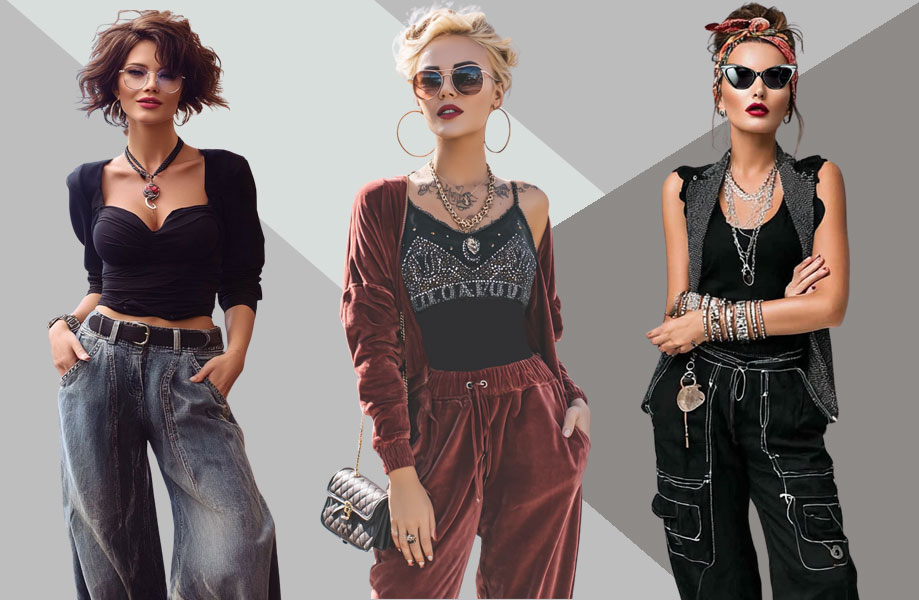
Fabric Focus: Sheer, Mesh & Tech Textiles
Fabrics in 2026 are a fascinating interplay between Y2K-inspired transparency and cutting-edge technology. Sheer and mesh materials are everywhere, playing into the playful, revealing aesthetic of the early 2000s. These fabrics are often layered over contrasting textures and colors, creating a visually interesting effect.
But it’s not just about recreating the past. We’re also seeing a surge in innovative tech textiles – fabrics with built-in sensors, color-changing materials, and sustainable alternatives. These materials represent a significant step forward in fashion technology, offering both aesthetic and functional benefits.
Recycled polyester and other sustainable fabrics are becoming increasingly common, reflecting a growing awareness of the environmental impact of the fashion industry. Brands are actively seeking out eco-friendly alternatives to traditional materials, responding to consumer demand for more responsible products.
I'm not sure how practical some of these tech fabrics are, but they look amazing on the runway. Materials that react to light or change color with body temperature are particularly eye-catching. The challenge will be to make these technologies more accessible and affordable for the average consumer.
Emerging Tech Fabrics: A Comparative Overview (Projected for 2026)
| Fabric | Biodegradability | Durability | Cost | Aesthetic Qualities |
|---|---|---|---|---|
| Mylo Leather (Mushroom-based) | High - Compostable under ideal conditions | Moderate - Improving with ongoing development | Currently Higher - Production scaling impacts cost | Natural leather-like texture, potential for varied finishes |
| Orange Fiber (Citrus Waste) | Good - Derived from agricultural byproducts | Moderate - Often blended with other fibers for strength | Moderate - Dependent on processing complexity | Silky drape, subtle sheen, can mimic silk |
| Piñatex (Pineapple Leaf Fiber) | Moderate - Natural fiber, but often requires a bio-based coating for durability | Moderate - Good tensile strength, but can be prone to wear | Moderate - Becoming more competitive as production increases | Textured, leather-like appearance, versatile for various applications |
| Lab-Grown Cotton | Moderate - Dependent on growth medium and processing | Comparable to conventional cotton | Potentially Higher - Initial production costs are significant | Similar to conventional cotton, can be engineered for specific properties |
| Algae Fabric | High - Rapidly renewable and biodegradable | Moderate - Requires treatment to enhance strength and longevity | Moderate to Higher - Dependent on extraction and processing methods | Smooth, soft texture, potential for vibrant coloration |
| Recycled Polyester (Advanced) | Limited - While recycled, still a plastic-based fiber | High - Excellent strength and resistance to wear | Lower - Widely available and cost-effective | Can be engineered for various textures and finishes, sheen varies |
Qualitative comparison based on the article research brief. Confirm current product details in the official docs before making implementation choices.
Accessories: Chunky Everything & Digital Bling
Accessories in 2026 are all about making a statement. Chunky sneakers, platform sandals, and oversized jewelry are key components of the Y2K-inspired aesthetic. Think bold colors, exaggerated shapes, and a playful mix of textures.
But we’re also seeing a rise in 'digital bling' – accessories that incorporate LEDs, screens, or AR elements. These accessories are often interactive, responding to movement or changing color based on the wearer’s mood. This is where the AI influence really comes into play, blurring the lines between fashion and technology.
Small, embellished bags are also popular, often adorned with crystals, sequins, or metallic accents. These bags are designed to be eye-catching and add a touch of glamour to any outfit. Belts are making a comeback, often worn low on the hips – a nod to the early 2000s.
Sunglasses with futuristic shapes and tinted lenses are another key accessory trend. These sunglasses add a touch of edge and mystery to any look. It's a bit much for everyday wear, but it's fun to see on the runway and in editorial shoots.
Content is being updated. Check back soon.
Menswear: Baggy Silhouettes & Glitchcore
Menswear in 2026 is embracing a more relaxed and expressive aesthetic. Baggy jeans, oversized hoodies, and relaxed tailoring are dominant, moving away from the slim-fit silhouettes that have been popular for years. Comfort and versatility are key considerations.
A growing aesthetic is 'glitchcore' – incorporating distorted graphics, pixelated prints, and a generally cyberpunk-inspired look. This aesthetic draws inspiration from digital art, video games, and internet culture. It’s a reaction against the hyper-polished menswear of the past.
Layering is also important, with men experimenting with different textures and colors. Oversized jackets, vests, and graphic tees are often worn over t-shirts and hoodies. The use of bold prints and patterns adds a playful touch to otherwise minimalist outfits.
I think this is a really exciting development for men's fashion. It allows for greater self-expression and encourages men to experiment with different styles. The incorporation of tech-inspired elements adds a futuristic edge.
The Sustainability Factor
The growing importance of sustainability is undeniable. Consumers are increasingly demanding ethical and environmentally responsible fashion choices. Brands are responding by using recycled materials, reducing waste, and adopting more transparent supply chains.
The resale market is booming, with platforms like ThredUp and Depop facilitating the buying and selling of pre-owned clothing. This helps to extend the lifespan of garments and reduce textile waste. The Y2K revival itself, in a way, promotes sustainability by encouraging people to shop vintage.
However, the fast fashion industry remains a significant problem. Brands need to do more to address the environmental and social impacts of their production processes. I'm seeing brands actively promoting their sustainable initiatives, which is a good sign, but there’s still a long way to go.
Consumers also have a role to play by making more conscious purchasing decisions, choosing quality over quantity, and supporting brands that prioritize sustainability. The future of fashion depends on a collective effort to create a more responsible and ethical industry.
Multiple high-fashion models walking on a luxury runway, each wearing different stunning black and white haute couture suits and dresses incorporating Spring/Summer 2026 fashion trends, with some red, blue and yellow details, highly detailed elegant business-inspired attire ❤️ pic.twitter.com/I2YTSONlCW
— x (@xmp8104) May 1, 2026
No comments yet. Be the first to share your thoughts!