

2026: Fashion's Sustainability Turning Point
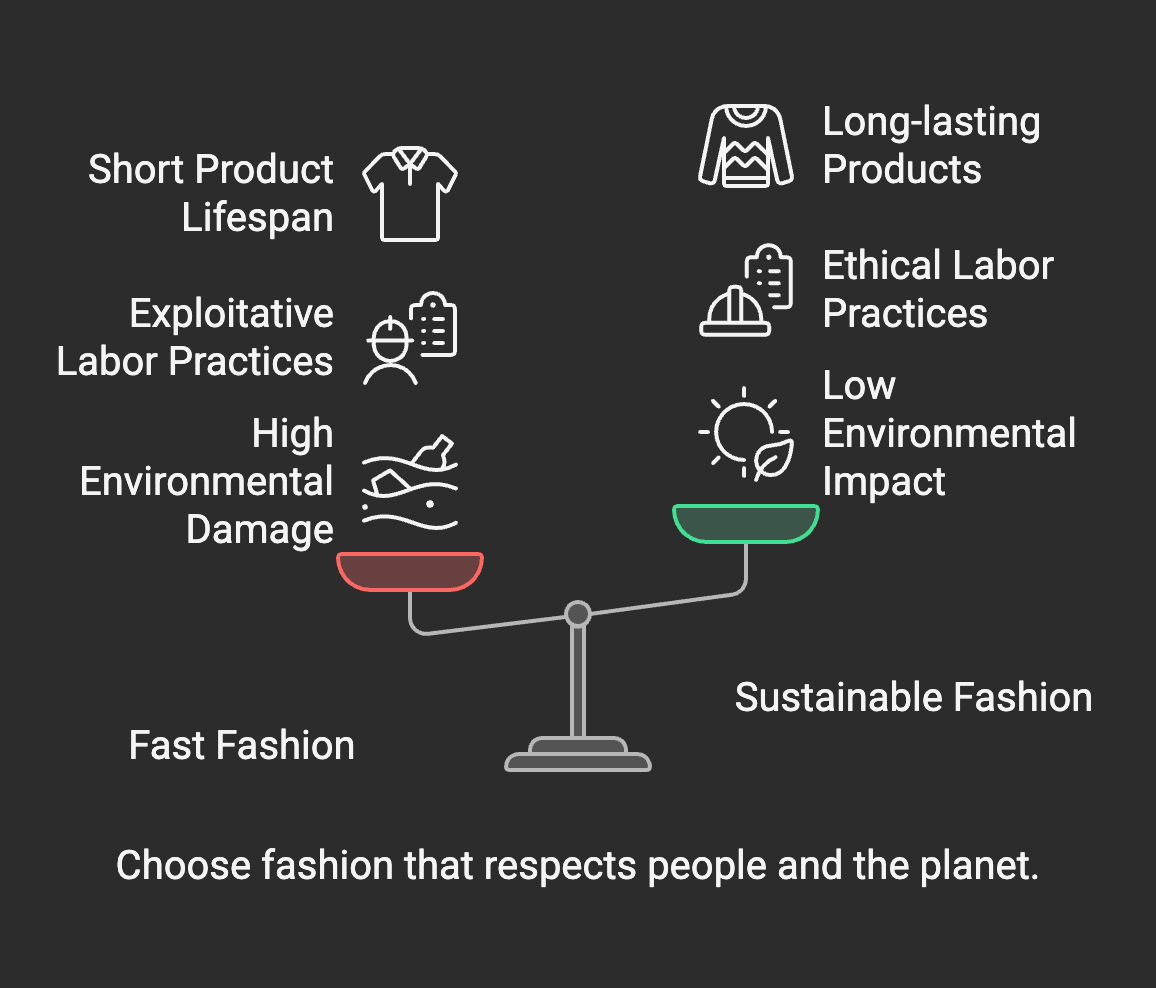
Fashion is changing. By 2026, sustainability will be a core expectation, not a niche concern. Consumers, especially younger ones, increasingly demand ethical and environmentally responsible clothing.
High fashion, once known for excess, must now respond to sustainability demands. Some brands innovate genuinely, while others engage in performative activism. Consumers are wary of greenwashing and quickly spot insincerity.
This shift is a fundamental rethinking of fashion production and consumption. The industry's environmental impact—water pollution, textile waste, carbon emissions—is undeniable. Regulations, investor demands, and consumer choices are driving change. 2026 will see sustainability talk translate into action.
The shift also involves slowing down newness, valuing craftsmanship, and extending garment life. It's a move toward a circular economy that minimizes waste and uses resources responsibly. This is a daunting but necessary task for the industry.
The Rise of Texture and Statement Pieces
FashionNetwork.com reports that 2026 will see a focus on texture and statement pieces in sustainable high fashion. After years of minimalism, consumers want clothing that is more tactile and visually interesting, combining sustainability with style.
Designers are experimenting with innovative materials and techniques for unique textures like intricate knits and embossed fabrics. The focus is shifting from smooth materials to those with depth and dimension. Statement pieces are also gaining prominence, emphasizing quality and longevity.
Recycled cashmere, organic cotton with unique weaves, and plant-based fiber blends are gaining traction. Silhouettes are becoming more sculptural and expressive with dramatic sleeves, asymmetrical cuts, and interesting draping. Expect considered designs where each garment tells a story.
This trend supports upcycling and repurposing materials. Designers transform vintage fabrics and discarded garments into new pieces, rejecting fast fashion's disposable nature. This is a welcome change, offering clothing that is both luxurious and responsible.
- Recycled Cashmere: A luxurious and sustainable alternative to virgin cashmere.
- Organic Cotton with Unique Weaves: Adding texture and visual interest to a classic fabric.
- Plant-Based Fiber Blends: Combining sustainability with performance and aesthetics.
Investment-Worthy Sustainable Style: Curated High Fashion for the Conscious Consumer
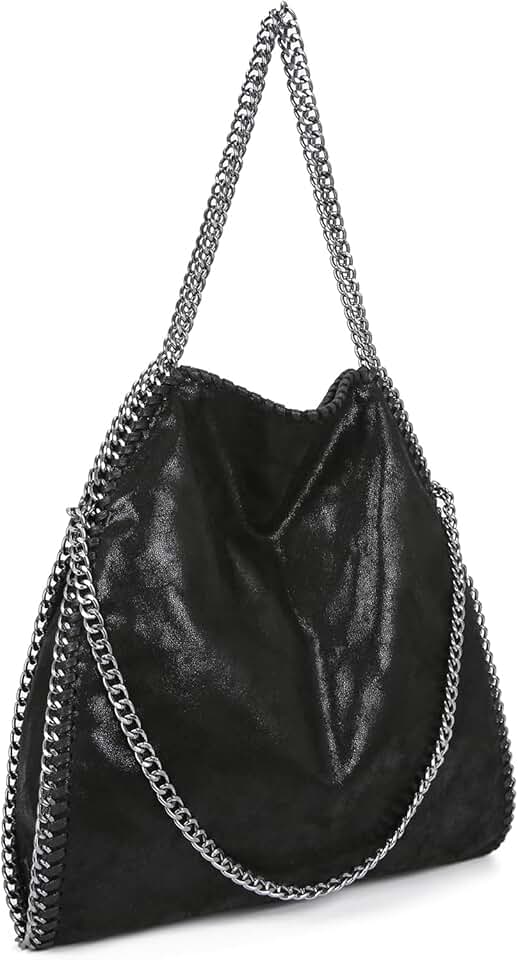
Crafted from soft PU leather · Waterproof design · Spacious interior (35*8*40 cm)
This versatile tote offers a stylish and practical option for everyday use, demonstrating that conscious fashion can be both functional and chic.

Made with Chrome-free leather · Sole made from wild rubber from the Amazon rainforest · Designed for durability and comfort
Veja's Campo sneakers are a testament to sustainable footwear, utilizing eco-friendly materials without compromising on modern aesthetics.

Made from organic linen · Classic collar design · Relaxed, timeless silhouette
Eileen Fisher's commitment to organic materials and timeless design makes this dress a cornerstone of a sustainable and elegant wardrobe.

Made from recycled nylon · Features a flattering cut-out design · Designed for a comfortable and secure fit
Mara Hoffman's Mina swimsuit showcases how luxury swimwear can be created using recycled materials, merging high fashion with environmental responsibility.
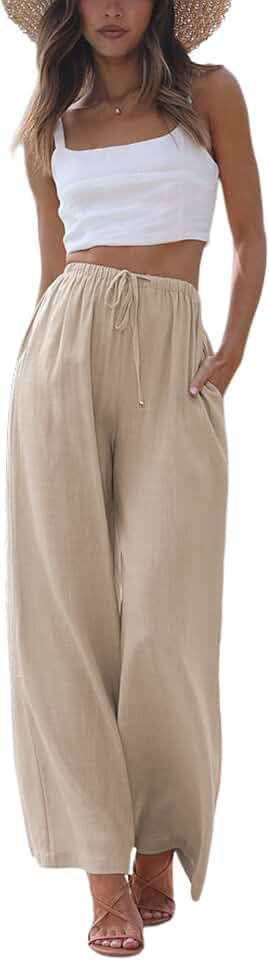
Crafted from a breathable cotton-linen blend · Flowy wide-leg design · Features convenient pockets
These palazzo pants offer a comfortable and stylish choice for warmer weather, highlighting the appeal of natural, breathable fabrics in sustainable fashion.
As an Amazon Associate I earn from qualifying purchases. Prices may vary.
Fast Fashion's 2026 Predicament
As sustainable fashion grows, fast fashion brands face difficulties. Their model of rapid production, low prices, and constant trend turnover clashes with environmental responsibility. Consumers, regulators, and advocacy groups are pressuring them to improve.
Economic pressures are significant. Sustainable materials and ethical labor practices are more expensive. Supply chain disruptions add complexity. Maintaining profit margins while embracing sustainability is a major challenge.
Some fast fashion brands may adopt 'circular' models like take-back programs. However, these efforts are questionable without a fundamental shift in production. Offering discounts for returns while continuing unsustainable production is easy. The real test is prioritizing quality and durability over quantity.
Greenwashing remains a risk, with brands using superficial campaigns without operational changes. Consumers are savvier and call out deceptive practices. The future of fast fashion is uncertain; old methods are no longer viable.
Nūl’s 11 Sustainable Trends to Watch
Nūl.global identified 11 sustainable fashion trends for 2026, representing deeper industry and consumer shifts. Here's context and assessment for each.
1. Bio-Based Materials: Beyond Piñatex (pineapple leaf fiber) and mushroom leather, we’re seeing innovation with algae-based textiles and lab-grown cotton. While promising, scalability remains a challenge. 2. Circular Design: Designing garments for disassembly and reuse. Patagonia's Worn Wear program is a good example, but wider adoption is needed. 3. Waterless Dyeing: Technologies that eliminate water usage in the dyeing process are gaining traction, addressing a major source of pollution. 4. Digital Product Passports: Providing transparency about a garment’s origin, materials, and environmental impact. 5. Regenerative Agriculture: Farming practices that restore soil health and biodiversity. 6. Carbon-Negative Fabrics: Materials that actively remove carbon dioxide from the atmosphere. Still in early stages of development.
7. Local Production: Reducing transportation emissions and supporting local economies. 8. On-Demand Manufacturing: Producing garments only when they are ordered, minimizing waste. 9. Personalized Fit Technology: Reducing returns (and associated carbon emissions) by ensuring a perfect fit. 10. Rental and Subscription Services: Extending the lifecycle of garments and offering access to a wider variety of styles. Rent the Runway is a leading example. 11. AI-Powered Supply Chain Optimization: Using artificial intelligence to improve efficiency and reduce waste throughout the supply chain. This is a significant area for improvement.
These trends aren’t mutually exclusive; many of them overlap and complement each other. The key to success will be collaboration and innovation across the entire fashion ecosystem. While some of these trends are still nascent, they represent a hopeful vision for the future of fashion. The potential impact is significant, but realizing it will require sustained effort and investment.
Nūl.global's Top 11 Sustainable Fashion Trends: A Comparative Analysis - Potential for 2026
| Trend Name | Scalability | Cost of Implementation | Consumer Appeal | Potential for Greenwashing |
|---|---|---|---|---|
| Regenerative Agriculture Fibers | Medium | High | Medium | Medium |
| AI-Driven Design Optimization | Medium | Medium | Medium | Low |
| Bio-Based Materials (e.g., algae textiles) | Low | High | Low | Medium |
| Circular Design Principles | High | Medium | High | Medium |
| Digital Product Passports (DPPs) | Medium | Medium | Low | Low |
| On-Demand Manufacturing | Medium | Medium | Medium | Low |
| Rental & Resale Platforms | High | Low | High | Low |
| Waterless Dyeing Technologies | Medium | High | Medium | Medium |
| Traceability Technologies (Blockchain) | Medium | High | Low | Medium |
| Personalized Sizing & Fit (reducing returns) | High | Medium | High | Low |
| Local Production & Supply Chains | Medium | Medium | Medium | Low |
Illustrative comparison based on the article research brief. Verify current pricing, limits, and product details in the official docs before relying on it.
Materials Matter: Innovation in Eco-Textiles
Sustainable fashion relies on its materials. Conventional textiles like cotton and polyester have a significant environmental footprint, but innovation in eco-friendly alternatives is surging.
Recycled fabrics are a mature technology. Recycled polyester from plastic bottles is available, but microplastic shedding is a concern. Recycled cotton is more sustainable than virgin cotton but can have shorter fibers and lower quality. Plant-based alternatives like Piñatex and mushroom leather offer possibilities, but scaling production is challenging. Piñatex processing requires resources.
Lab-grown materials are at the cutting edge of textile innovation. Lab-grown cotton, developed by companies like Modern Meadow, could eliminate pesticides and reduce water use. However, the technology is expensive and energy-intensive, with questions about long-term durability and biodegradability.
undefined end-of-life disposal. I'm not sure that all of the newer materials will ultimately prove viable on a large scale, but the experimentation is crucial.
- Recycled Polyester: Made from plastic bottles, reduces landfill waste, but sheds microplastics.
- Recycled Cotton: More sustainable than virgin cotton, but can have lower quality.
- Piñatex (Pineapple Leaf Fiber): Innovative plant-based alternative, but scaling production is a challenge.
- Mushroom Leather: Promising bio-material, but still expensive and in early stages of development.
- Lab-Grown Cotton: Eliminates pesticides and reduces water consumption, but currently expensive and energy-intensive.
Timeless Classics: The Anti-Trend
In a world obsessed with newness, investing in timeless, well-made pieces is arguably the most sustainable approach to fashion. The constant pursuit of trends fuels overconsumption and waste. A capsule wardrobe – a curated collection of essential, versatile garments – offers a powerful antidote.
The benefits are numerous. A classic wardrobe simplifies getting dressed, reduces decision fatigue, and promotes a more mindful approach to consumption. It’s about prioritizing quality over quantity, choosing garments that will last for years, and avoiding disposable fashion. Brands like Eileen Fisher and Everlane have built their reputations on this philosophy.
Building a capsule wardrobe doesn’t require a complete overhaul of your existing closet. Start by identifying the core pieces you wear most often – a well-fitting pair of jeans, a classic white shirt, a neutral-colored coat. Then, add a few versatile items that can be mixed and matched to create a variety of outfits. Focus on neutral colors and timeless silhouettes.
I believe that buying less is often more impactful than buying 'sustainable' items. A single, well-made garment that you wear for years has a far smaller environmental footprint than a dozen cheap, trendy pieces that end up in a landfill after a season. It's about shifting our mindset from 'more' to 'better'.
The Resale Revolution: Extending Garment Lifecycles
The resale market is booming, and it’s playing an increasingly important role in sustainable fashion. Platforms like ThredUp, The RealReal, and Vestiaire Collective are making it easier than ever to buy and sell pre-owned clothing. This extends the lifecycle of garments, reduces textile waste, and offers consumers a more affordable way to access designer brands.
Luxury brands are also getting involved in resale. Burberry, for example, launched its own resale platform in 2022, allowing customers to buy and sell pre-owned Burberry items. This is a significant shift, signaling that resale is no longer seen as a threat but as an opportunity. It also helps brands maintain control over their brand image and ensure the authenticity of their products.
The resale market isn’t without its challenges. Authenticity verification is a key concern, particularly for luxury items. Logistics and shipping can also be complex. But these challenges are being addressed with innovative technologies and services. The growth of the resale market is expected to continue in the coming years, driven by increasing consumer demand and a growing awareness of the environmental impact of fashion.
Resale benefits both the environment and the fashion industry. It reduces the demand for new production, minimizes waste, and creates a more circular economy. It’s a win-win situation. I think we'll see even more brands embracing resale in 2026, recognizing it as a crucial component of a sustainable business model.

Conair Handheld Garment Steamer for Clothes, Turbo ExtremeSteam 1875W Fabric Steamer, Portable Handheld Design, Strong Penetrating Steam, White/Champagne
- 1875W of power for strong, penetrating steam
- Handheld, portable design for easy use
- Suitable for all fabric types
Extend the life of your cherished garments and reduce textile waste with the Conair Turbo ExtremeSteam. This powerful handheld steamer makes refreshing clothes quick and easy, promoting a more sustainable wardrobe.
View on Amazon →As an Amazon Associate I earn from qualifying purchases.



No comments yet. Be the first to share your thoughts!