

Luxury’s Green Shift: 2026 and Beyond
High fashion long prioritized opulence over environmental impact. That’s changing. Consumers now expect luxury’s artistry and exclusivity alongside ethical and sustainable practices.
Investors are also scrutinizing environmental, social, and governance (ESG) factors, pushing brands to act responsibly. While sustainability has been a buzzword, 2026 marks a turning point where talk must become action.
A perceived tension existed between luxury and sustainability, with many believing eco-friendly materials lacked quality. Innovation challenges this. Sustainability redefines luxury by minimizing environmental impact without compromising style or craftsmanship.
This is a necessary evolution for long-term success. Brands must adapt to sustainable models and embrace transparency and responsibility to thrive.
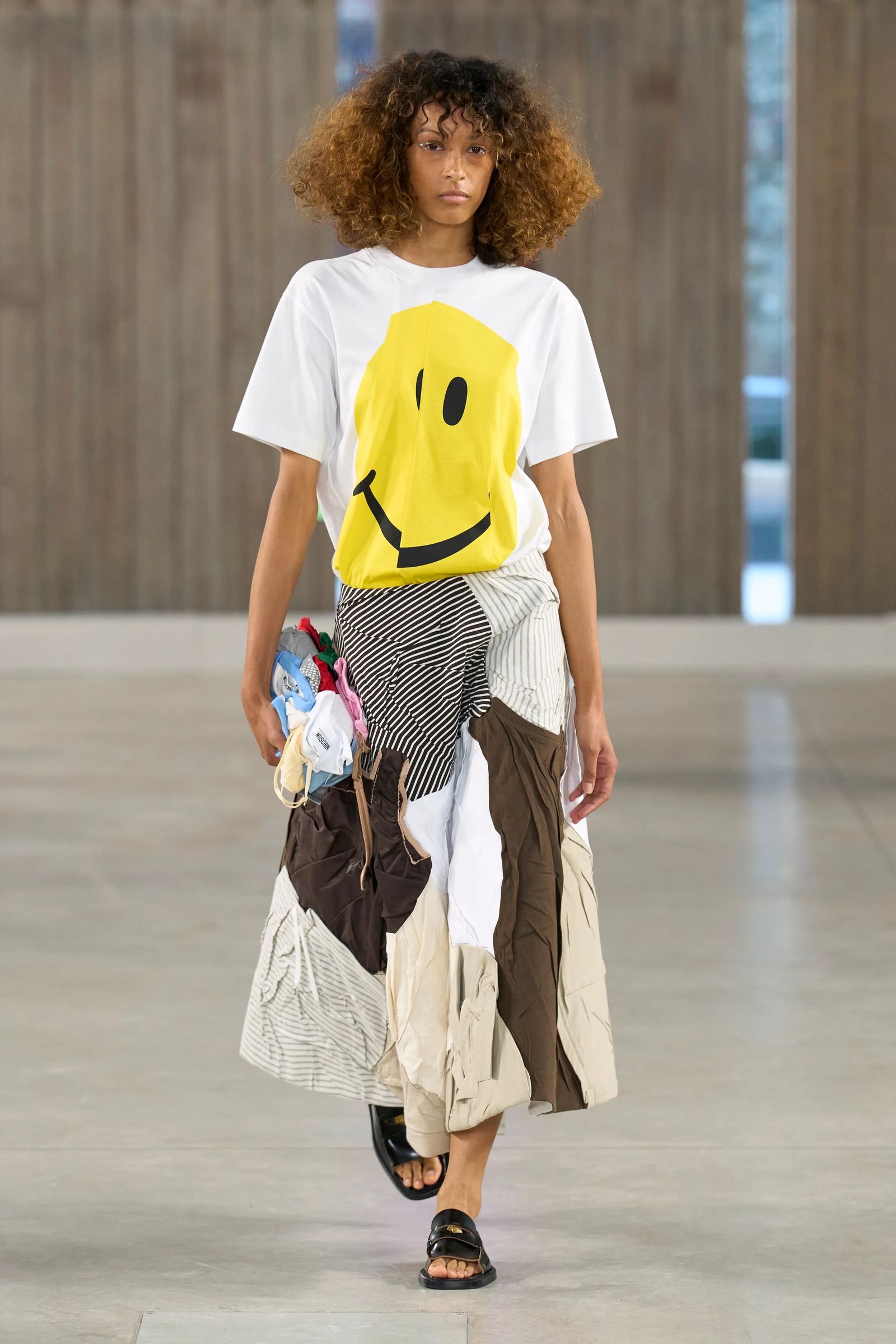
Material Innovation: The New Status Symbols
Material innovation is central to sustainable high fashion. New sustainable materials are often more luxurious than traditional ones. Bioleather, grown from animal cells, offers a cruelty-free alternative to traditional leather. Modern Meadow pioneers this technology, providing a sustainable and customizable option.
Recycled materials are also gaining interest. Recycled cashmere reduces waste and conserves resources. Nudie Jeans has long used recycled cotton, showing sustainability can be a core business model. The focus is also on discovering entirely new materials.
Piñatex, made from pineapple leaf fiber, is an innovative leather alternative from Ananas Anam. It's sustainable, versatile, and has a unique texture. Fabrics from ocean plastic are also gaining momentum, turning waste into resources. Adidas’s partnership with Parley for the Oceans is a known example, with other luxury brands exploring ocean plastic.
Stella McCartney consistently invests in innovative materials and ethical production, showing luxury and sustainability can coexist. Challenges include scaling production and higher costs for these materials. Maintaining traditional luxury feel and quality with sustainable materials requires significant R&D investment.
- Bioleather: Grown from animal cells, offering a cruelty-free alternative to traditional leather.
- Recycled Cashmere: Reduces waste and conserves resources.
- Piñatex: Leather alternative made from pineapple leaf fiber.
- Ocean Plastic Fabrics: Transforms waste into valuable materials.
Sustainable Material Comparison for High Fashion - Projected 2026
| Material | Luxury Feel | Environmental Impact | Cost | Durability | Scalability |
|---|---|---|---|---|---|
| Bioleather (e.g., Mushroom Leather) | Medium | Low | High | Medium | Medium |
| Recycled Cashmere | High | Medium | High | High | Medium |
| Piñatex (Pineapple Leaf Fiber) | Medium | Low | Medium | Medium | Medium |
| Ocean Plastic (Recycled Polyester) | Low | Low | Medium | High | High |
| Organic Cotton | Medium | Medium | Medium | Medium | High |
| Recycled Nylon (e.g., ECONYL®) | Medium | Low | Medium | High | High |
| Lab-Grown Silk | High | Low | Very High | High | Low |
Illustrative comparison based on the article research brief. Verify current pricing, limits, and product details in the official docs before relying on it.
#NextGenBharat | In Mumbai, young designers are turning waste materials into fashion, creating a new trend in sustainable style.
— DD News (@DDNewslive) April 28, 2026
Old clothes, industrial scrap, and discarded items are being transformed into unique designs—promoting eco-friendly fashion while helping women learn… pic.twitter.com/3G9JsP1bBV
Circular Fashion Takes Center Stage
Circularity is central to high fashion’s future. It moves away from the linear "take-make-dispose" model to a closed-loop system where materials are reused and repurposed, rethinking the garment lifecycle.
Resale platforms like The RealReal and Vestiaire Collective are crucial. They let consumers buy and sell pre-owned luxury items, extending garment life and reducing waste. Luxury brands increasingly partner with these platforms or launch their own. Burberry, for example, has a resale platform on The RealReal.
Rental services are another key component. Rent the Runway popularized renting designer clothing, giving consumers access to more styles without purchasing. Repair programs also encourage extending garment life. Many brands offer in-house or partnered repair services.
Brands are designing for disassembly, creating garments that can be easily taken apart and recycled. This requires careful material and construction choices. The rise of circularity also risks greenwashing, where brands make unsubstantiated sustainability claims. Consumers must be critical and look for evidence of genuine commitment.
Traceability and Transparency: Knowing Your Supply Chain
Consumers want to know where products come from, who made them, and under what conditions. Traceability and transparency are essential for building trust and demonstrating commitment to ethical and environmental responsibility.
Blockchain technology can track a garment’s journey from raw material to finished product. Recording each step on a secure ledger ensures accountability and prevents fraud. RFID tags can also track garments throughout the supply chain, providing real-time visibility.
Digital product passports (DPPs) are an emerging technology providing consumers with detailed information about a product’s origin, materials, and environmental impact. The EU is developing a DPP framework, potentially mandatory for textiles soon. Achieving full transparency is a huge undertaking.
Mapping complex supply chains and ensuring fair labor practices requires ongoing monitoring. The cost of implementing these technologies can also be a barrier for smaller brands. Demand for traceability is growing, and brands prioritizing transparency will succeed.
The Role of Technology: 3D Printing and Digital Fashion
Technology can revolutionize sustainable practices in high fashion. 3D printing allows on-demand production, minimizing waste and reducing inventory needs. This is appealing for bespoke or customized garments where traditional manufacturing is inefficient.
Designers are experimenting with 3D-printed clothing and accessories, pushing design and sustainability boundaries. While 3D printing is expensive and material-limited, the technology is evolving. As costs decrease and material options expand, 3D printing adoption in luxury will likely grow.
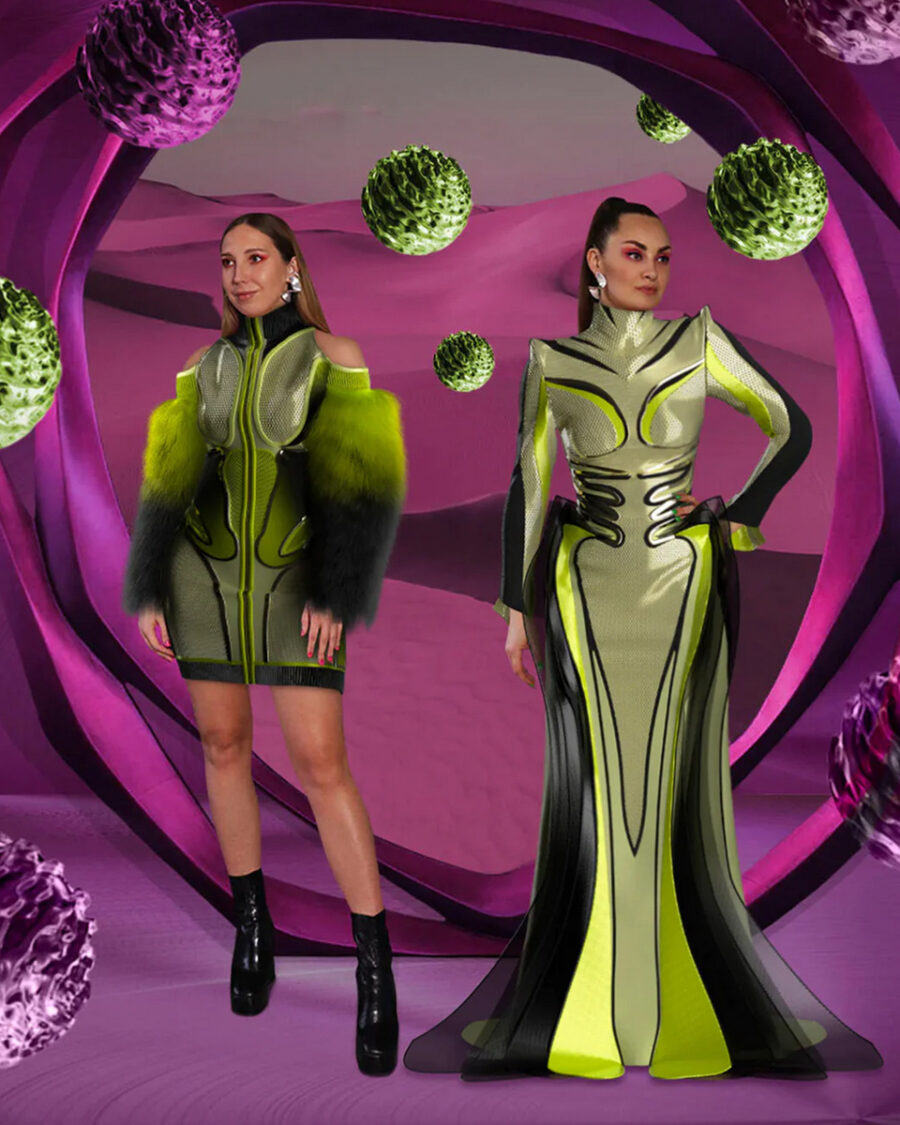
Digital fashion, clothing existing only in the virtual world, offers a different approach to consumption. Consumers buy digital garments for avatars in online games or social media. This eliminates physical production and reduces the environmental impact of traditional fashion.
DressX leads in digital fashion, offering virtual garments and accessories. Whether digital fashion is a trend or part of the future remains to be seen. It raises questions about ownership, authenticity, and the definition of luxury.
Neiman Marcus and the Sustainable Selection
Major retailers like Neiman Marcus are increasingly recognizing the importance of sustainable fashion and are curating collections that cater to environmentally conscious consumers. According to their website (neimanmarcus.com), they feature brands committed to responsible practices, highlighting their efforts to minimize environmental impact. They currently showcase brands like Stella McCartney, known for her pioneering work in sustainable luxury.
Neiman Marcus appears to be using a combination of criteria to select brands for their sustainable collections, focusing on factors such as material sourcing, production processes, and ethical labor practices. They emphasize brands that use recycled materials, organic cotton, and innovative alternatives to traditional leather. The marketing of these products emphasizes both the style and the sustainability aspects, appealing to consumers who want to make responsible choices without compromising on aesthetics.
However, it's important to approach these curated collections with a critical eye. While Neiman Marcus’s commitment to sustainability is encouraging, it’s crucial to assess whether it represents a genuine shift in priorities or simply a marketing ploy. The selection, while growing, still represents a relatively small portion of their overall offerings. Scrutinizing the depth of each brand’s sustainability practices is vital.
The inclusion of sustainable brands within a luxury retail environment signals a growing acceptance of eco-conscious fashion. It demonstrates that sustainability is no longer a niche market but is becoming increasingly mainstream. The challenge for retailers like Neiman Marcus is to continue expanding their sustainable offerings and to ensure transparency and accountability throughout their supply chains.
Sustainable Luxury Brands
- Stella McCartney - A pioneer in sustainable luxury, Stella McCartney consistently avoids leather, fur, and skins. They prioritize organic cotton, recycled materials, and innovative processes like using Mylo™️, a material made from mycelium (mushroom roots), in their collections.
- Gabriela Hearst - Gabriela Hearst focuses on slow fashion principles, creating timeless pieces designed to last. They utilize deadstock fabrics, natural dyes, and prioritize traceability throughout their supply chain, with a commitment to reducing their carbon footprint.
- Mara Hoffman - Known for vibrant prints, Mara Hoffman is dedicated to using sustainable materials like recycled nylon and organic cotton. They are transparent about their manufacturing processes and actively work to minimize waste and water usage.
- Eileen Fisher Renew - While not exclusively available at Neiman Marcus, Eileen Fisher has a strong presence there and their Renew program is a key sustainability initiative. Renew takes back worn Eileen Fisher garments, cleans them, and resells them, extending the life cycle of their clothing.
- Mother Denim - Mother Denim prioritizes water conservation in their denim production, utilizing innovative techniques to significantly reduce water usage. They also focus on responsible sourcing of materials and ethical manufacturing practices.
- People Tree - People Tree partners with Fair Trade artisans and farmers to produce ethically made clothing. They use organic cotton and natural dyes, empowering communities and promoting sustainable livelihoods. They offer a range of clothing and accessories.
- Vitamin A - Specializing in swimwear, Vitamin A utilizes EcoLux™ fabric, made from recycled nylon fishing nets. They are committed to reducing ocean plastic pollution and creating sustainable swimwear options.
The 2026 Consumer: Values and Expectations
The luxury consumer of 2026 will be markedly different from their predecessors. They are likely to be younger, more informed, and more demanding when it comes to sustainability. This generation values authenticity, transparency, and ethical practices. They aren’t simply buying a product; they’re investing in a brand’s values.
While precise demographic data is difficult to pinpoint, the trend towards conscious consumerism is undeniable. Younger consumers, in particular, are actively seeking out brands that align with their values. They are willing to pay a premium for products that are made sustainably and ethically. This is driving a shift in the luxury market, forcing brands to adapt and prioritize sustainability.
The rise of social media and online platforms has empowered consumers to research brands and hold them accountable. Consumers are quick to call out greenwashing and demand transparency. Brands that fail to meet these expectations risk damaging their reputation and losing customers. Authenticity is paramount; consumers can easily spot insincere attempts at sustainability.
This new consumer isn’t just interested in what a brand says; they want to see evidence of its commitment. They want to know where the materials come from, who made the products, and what the brand is doing to minimize its environmental impact. The luxury brands that will thrive in 2026 will be those that can build trust and demonstrate a genuine commitment to sustainability.
How important is sustainability when you purchase luxury goods?
As luxury brands transition toward more eco-conscious production methods for 2026, we want to know how much environmental impact influences your high-end fashion investments. Please vote below and use the comment section to share which sustainable materials you are most excited to see in future collections.


No comments yet. Be the first to share your thoughts!