

Runway to Reality: DFW 2026
Digital Fashion Week is quickly establishing itself as a major force in the world of fashion, and it’s no longer a fringe experiment. What began as a response to the limitations of traditional fashion weeks has blossomed into a dynamic platform showcasing the intersection of design, technology, and culture. The event, and increasingly its satellite events, are attracting attention from established brands and emerging designers alike, signaling a significant shift in how fashion is created, presented, and consumed.
The Digital Fashion Week x DigiFashion Forum Taipei 2026, taking place April 17-18, exemplifies this evolution. It’s a concrete example of how DFW is expanding its reach and influence beyond solely virtual spaces, hosting a physical component in Taipei. This event isn’t just about showcasing digital garments; it’s about fostering a dialogue around the future of fashion technology and its impact on the industry.
Louise, the founder of RecodeHer, is playing a crucial role in building the infrastructure that supports these virtual experiences. Her work focuses on the underlying technology that makes digital fashion possible, recognizing that a robust and scalable infrastructure is essential for long-term growth. This isn’t simply about aesthetics anymore; it’s about building a solid foundation for a new era of fashion.
DFW's growth demonstrates a fundamental change. Virtual runways are no longer a novelty, but a genuine alternative, and increasingly, a complement, to traditional fashion shows. They offer benefits that physical shows simply can’t match—global reach, sustainability, and the ability to push creative boundaries without the constraints of reality. It’s a transition that’s been years in the making, but 2026 feels like the year virtual fashion truly comes into its own.
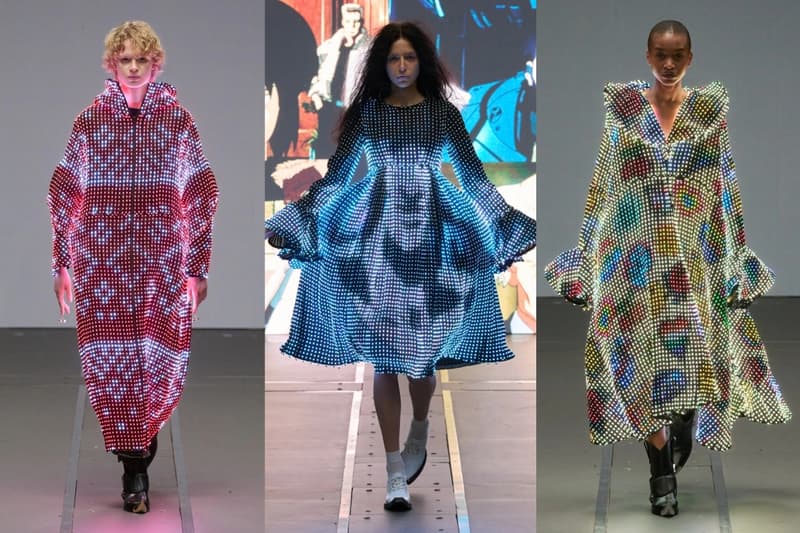
The Tech Behind the Threads
The virtual runways we’re seeing today wouldn't be possible without significant advancements in several key technologies. 3D modeling is at the core, allowing designers to create incredibly detailed and realistic garments that exist only in the digital realm. These models aren’t static; they’re designed to move and drape like real fabric, requiring sophisticated simulations of physics and material properties.
Rendering technology is equally important. Real-time rendering engines, constantly improving in their ability to produce photorealistic images, are essential for live virtual fashion shows. These engines must be able to handle complex scenes with multiple models, intricate textures, and dynamic lighting effects without any lag or glitches. The goal is to create an immersive experience that rivals a physical runway show.
Designers are increasingly using specialized software to create these digital garments. While specific packages aren’t widely publicized, many rely on tools that blend elements of traditional fashion design software with 3D modeling and animation capabilities. The process involves creating patterns, simulating fabrics, and fitting garments onto virtual avatars. It's a skill set that requires both artistic vision and technical expertise.
Beyond the creation of garments, the platforms themselves are evolving. Designers need environments where they can showcase their work effectively. This includes virtual showrooms, interactive experiences, and even entirely new metaverse environments. The ability to seamlessly integrate digital fashion into these spaces is crucial for reaching a wider audience and creating a truly engaging experience.
"The Devil Wears Prada 2" debuted atop the North American box office this weekend, industry estimates showed Sunday, 20 years after the hit original took audiences inside the cutthroat world of fashion.https://t.co/fGfRHijesC pic.twitter.com/i0I6NwjUB6
— AFP News Agency (@AFP) May 3, 2026
Democratizing Design: Accessibility & Inclusivity
One of the most exciting aspects of digital fashion is its potential to democratize design. Traditional fashion weeks are notoriously exclusive, with high costs and logistical hurdles preventing many talented designers from participating. Digital fashion removes many of these barriers, allowing designers from anywhere in the world to showcase their work to a global audience. This opens up opportunities for emerging talent and fosters a more diverse and inclusive industry.
This accessibility extends to inclusivity in representation. Digital fashion allows for the creation of avatars that represent a wider range of body types, ethnicities, and abilities than are typically seen on traditional runways. Designers can create garments that fit and flatter any avatar, regardless of its shape or size. This is a significant step towards creating a more inclusive and body-positive fashion industry.
The rise of NFTs and blockchain technology is also playing a role in digital fashion. NFTs provide a way to establish ownership and authenticity of digital garments, which is particularly important in a world where digital assets can be easily copied. This allows designers to create limited-edition collections and sell them directly to consumers, bypassing traditional retailers.
However, it’s important to acknowledge that digital fashion isn’t entirely free of barriers. Access to the necessary technology and skills – 3D modeling software, rendering engines – can still be a challenge for some designers. Addressing this digital divide will be crucial for ensuring that digital fashion truly lives up to its promise of democratization.
Content is being updated. Check back soon.
Brands Embracing the Metaverse
Increasingly, established brands are recognizing the potential of digital fashion and are actively integrating it into their overall strategies. Gucci, for example, has collaborated with digital artists to create virtual collections and experiences within platforms like Roblox and Zepeto. These collaborations aren’t just about selling digital clothing; they’re about reaching a new audience and building brand awareness in the metaverse.
Balenciaga has taken a different approach, partnering with Fortnite to create in-game outfits and accessories. This allows the brand to reach a massive audience of gamers and immerse itself in a popular virtual world. The success of these collaborations demonstrates that consumers are eager to express their style in the metaverse, and brands are responding accordingly.
Nike’s acquisition of RTFKT Studios, a company specializing in virtual sneakers and collectibles, is a clear signal of their commitment to digital fashion. RTFKT’s CloneX collection, a series of NFT-backed virtual sneakers, has generated significant buzz and demonstrates the potential for digital fashion to become a valuable asset. This wasn’t just a purchase; it was a strategic move to position Nike at the forefront of the metaverse.
The key to success for these brands isn’t simply being in the metaverse; it’s about creating meaningful experiences that resonate with their target audience. They’re not just selling digital versions of their physical products; they’re creating entirely new products and experiences that are unique to the virtual world. They're experimenting with different approaches, learning what works, and adapting their strategies accordingly.
- Gucci: Collaborations with digital artists on Roblox and Zepeto.
- Balenciaga: Partnerships with Fortnite for in-game outfits.
- Nike: Acquisition of RTFKT Studios, creators of CloneX virtual sneakers.
Pioneering Digital Fashion Brands
- DressX - This multi-brand retailer focuses exclusively on digital fashion. They offer a wide selection of digital clothing items that can be 'worn' on photos using image editing software, providing a way to experiment with trends without physical consumption.
- RTFKT Studios (Nike) - Acquired by Nike, RTFKT creates virtual sneakers, collectibles, and apparel using gaming engines and blockchain technology. They’ve become known for their limited-edition NFT drops and integration with metaverse platforms.
- The Fabricant - A digital fashion house creating photorealistic, 3D-only garments. They focus on pushing the boundaries of digital design and exploring the potential of virtual couture, often collaborating with artists and brands.
- Replika Wear - This platform allows users to create and customize their own digital clothing designs. They offer tools for both novice and experienced designers to experiment with virtual fashion creation.
- DIGITALAX - DIGITALAX is a web3 fashion metaverse constructor. They offer a platform for designing, wearing, trading, and showcasing digital fashion, with a strong focus on interoperability and ownership through NFTs.
- Gucci - The luxury brand has actively embraced digital fashion, launching virtual collections within platforms like Roblox and creating NFTs. They’ve explored digital wearables and experiences to engage a younger audience.
- Balenciaga - Balenciaga has partnered with Fortnite to offer in-game outfits and accessories, demonstrating a willingness to integrate high fashion into popular virtual worlds. They’ve also released digital collectible items.
The Consumer Experience: Avatars & Identity
The consumer experience is central to the growth of digital fashion, and avatars are at the heart of that experience. For many people, their avatar is their digital representation, a way to express their personality and style in the metaverse. Dressing an avatar is becoming increasingly popular, and the market for digital clothing and accessories is growing rapidly.
People are using digital fashion to experiment with different styles and identities that they might not feel comfortable expressing in the physical world. This can be incredibly empowering, allowing individuals to explore their creativity and express themselves without limitations. It’s a form of self-expression that’s uniquely enabled by the virtual environment.
The psychological aspect of dressing an avatar is fascinating. Studies suggest that people form an emotional connection with their avatars and that the clothes they choose for their avatars can influence their mood and self-perception. This highlights the importance of creating digital garments that are not only visually appealing but also emotionally resonant.
The growing demand for digital fashion is driving innovation in avatar customization. Platforms are offering more and more options for personalizing avatars, allowing users to create truly unique and expressive digital identities. This trend is likely to continue as the metaverse becomes more mainstream.
DFW Taipei 2026: A Closer Look
Digital Fashion Week x DigiFashion Forum Taipei 2026, scheduled for April 17-18, promises to be a showcase of the latest innovations in fashion technology. The event will bring together designers, technologists, and industry leaders to discuss the future of fashion and explore the potential of virtual runways.
While a full list of featured designers hasn’t been released, the event is expected to highlight emerging talent from across Asia, alongside established brands experimenting with digital fashion. Expect to see a focus on sustainable practices and innovative uses of technology, such as AI-powered design tools and virtual fitting rooms.
Key themes being showcased include agentic AI in fashion—how AI is becoming a creative partner in the design process—and the integration of fashion for social gaming. The event will also feature masterclass series aimed at educating attendees about the latest technologies and trends. Recap videos and panel discussions will be available online for those unable to attend in person.
The DigiFashion Forum component suggests a strong emphasis on the technical aspects of digital fashion. This isn’t just a fashion show; it’s a forum for discussing the challenges and opportunities facing the industry, and for fostering collaboration between designers and technologists.
Challenges and the Future of Virtual Runways
Despite the rapid growth of digital fashion, several challenges remain. Interoperability between platforms is a major hurdle. Currently, digital garments purchased on one platform often can’t be used on another, limiting their value and usability. Creating standardized file formats and protocols is crucial for enabling seamless transfer of digital assets between different virtual worlds.
The environmental impact of rendering is another concern. Creating high-quality 3D models and rendering them in real-time requires significant computing power, which consumes a lot of energy. Developing more energy-efficient rendering techniques and utilizing renewable energy sources is essential for minimizing the environmental footprint of digital fashion.
The need for standardized file formats extends beyond interoperability. It also impacts the ease of design and collaboration. Without common standards, designers may struggle to share their work with others or to integrate their designs into different platforms.
Looking ahead, we can expect to see even more sophisticated technologies powering virtual runways. Advancements in AI and machine learning will enable designers to create more realistic and personalized digital garments. We may also see the emergence of new immersive experiences, such as virtual reality fashion shows that allow consumers to feel like they’re actually attending a physical event. The future of fashion is undoubtedly digital, and the next five to ten years promise to be a period of rapid innovation and transformation.

No comments yet. Be the first to share your thoughts!