

Texture Takes Center Stage
Fashion in 2026 focuses on tactile experiences over new silhouettes. It's a move from visual impact to clothing that engages touch, a natural reaction to our digital lives. People want something real and substantial, appreciating craftsmanship and materials.
Fabrics like bouclé, corduroy, and shearling are gaining traction. Embellishments such as quilting, embroidery, and fringe add another dimension to garments, moving away from a flat, hyper-polished aesthetic.
Fur detailing, used as subtle accents on collars, hems, and accessories, is forecast to increase by 15% in 2026, according to us.fashionnetwork.com. This isn't a return to full fur coats, but a thoughtful incorporation of texture and warmth, aligning with current values.
This trend is driven by a desire for authenticity and connection. After spending time looking at screens, people want to engage with the physical world again. Clothes that feel good to wear are becoming more important.

The Return of Quiet Luxury – Refined
Quiet luxury for 2026 is an evolution of previous logo-free minimalism. It emphasizes understated elegance, impeccable craftsmanship, and enduring design.
Brands like Loro Piana and Brunello Cucinelli embody this ethos, with contemporary labels adopting a similar approach. They focus on material quality (cashmere, silk, linen) and artisan skill, aiming to exude confidence and sophistication, not wealth.
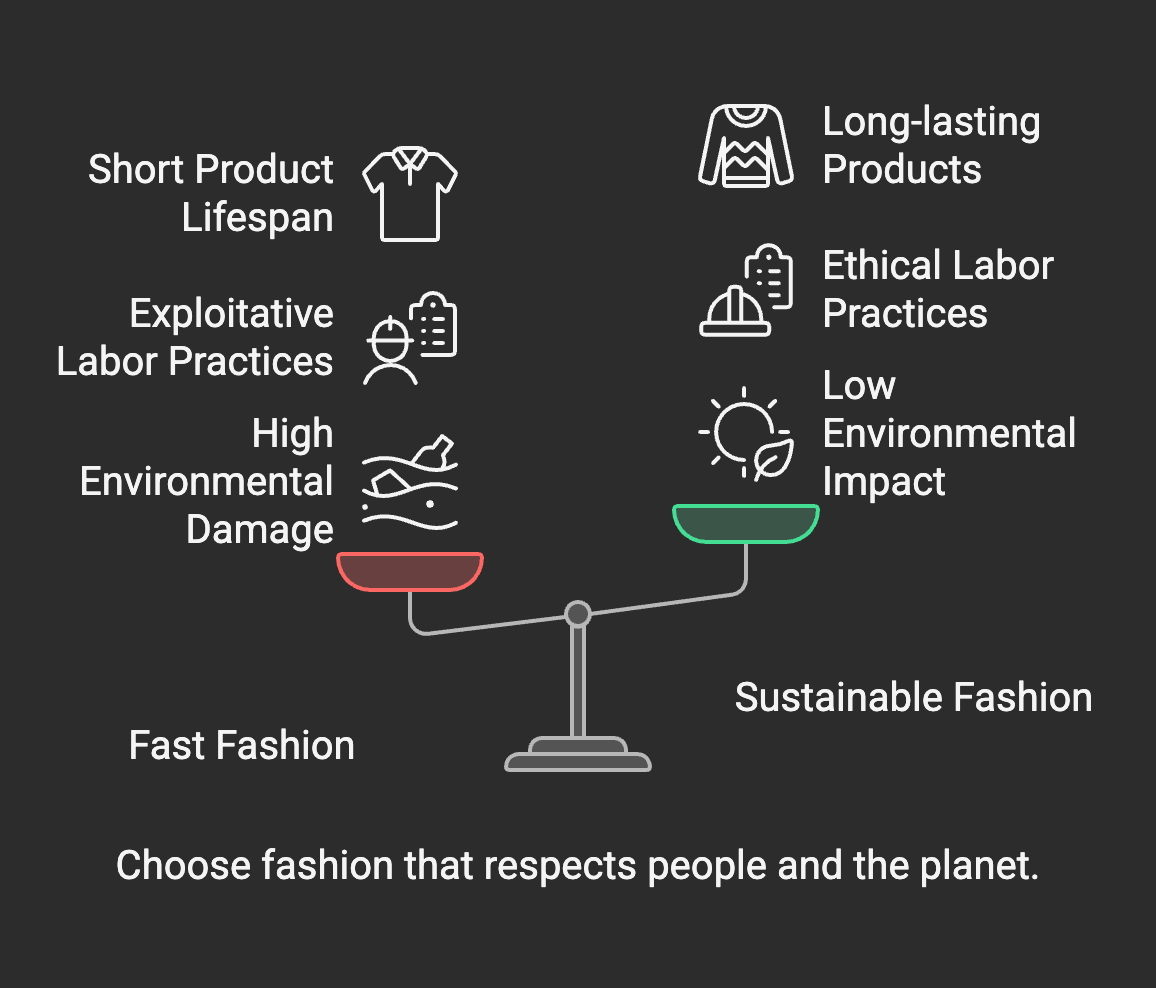
This ties into the sustainability movement. Investing in fewer, higher-quality pieces is more sustainable than buying fast fashion. It's a mindset shift away from disposability towards longevity, as consumers become more aware of the environmental and ethical costs of their purchases.
This quiet luxury wave focuses on substance over style: appreciating quality, not just looking rich.
Denim: Beyond Blue – Innovation in Wash & Weave
Denim is transforming. While its basic form remains popular, production and finishing methods are becoming more innovative and eco-conscious, addressing the environmental impact of this staple.
Traditional denim production uses a lot of water and harsh chemicals. Brands are now experimenting with alternative washes like mineral dyes and air dyeing to reduce water usage. Recycled cotton and hemp blends are also rising, reducing reliance on virgin materials.
Selvedge denim, known for its clean edge and durability, is gaining popularity. Its slower, more deliberate process results in a higher-quality product, connecting to the slow fashion movement. Laser technology for denim finishing can reduce water usage and eliminate harsh chemicals.
Denim innovations to watch include:
• Mineral Dyes: Using naturally occurring minerals for color, reducing chemical runoff. • Air Dyeing: A waterless dyeing process that uses air instead of water. • Recycled Cotton Blends: Incorporating recycled cotton into denim fabrics. • Hemp Denim: Utilizing hemp, a fast-growing and sustainable fiber.
- Mineral Dyes: Using naturally occurring minerals for color, reducing chemical runoff.
- Air Dyeing: A waterless dyeing process that uses air instead of water.
- Recycled Cotton Blends: Incorporating recycled cotton into denim fabrics.
- Hemp Denim: Utilizing hemp, a fast-growing and sustainable fiber.
Denim Production Methods: A Comparative Assessment
| Production Method | Environmental Impact | Cost | Durability | Key Considerations |
|---|---|---|---|---|
| Conventional | High | Low | Medium | Relies heavily on water, pesticides, and chemical dyes. Often associated with poor labor practices. |
| Organic | Medium | Medium | Medium-High | Utilizes organically grown cotton, reducing pesticide use. Still requires significant water, but generally employs more responsible farming methods. |
| Recycled | Low-Medium | Medium-High | Medium | Uses pre- or post-consumer denim waste. Reduces landfill waste and the need for virgin cotton, but recycling processes can still have an environmental footprint. |
| Air-Dyed | Low | High | Medium-High | Eliminates water usage in the dyeing process, significantly reducing water pollution. Can be more expensive due to the technology involved. |
| Better Cotton Initiative (BCI) | Medium | Medium | Medium-High | Focuses on improving cotton farming practices, including water use, pesticide reduction, and worker welfare. Not fully organic, but a step towards sustainability. |
| Hemp Denim | Low | Medium-High | High | Hemp requires significantly less water and pesticides than conventional cotton. Produces a durable fabric, but processing infrastructure is still developing. |
Illustrative comparison based on the article research brief. Verify current pricing, limits, and product details in the official docs before relying on it.
The 70s Silhouette – Modernized
The 1970s are back, reinterpreted subtly and sophisticatedly. This isn't about platform shoes and bell bottoms, but a nod to the past with a modern sensibility.
Key elements include wide-leg trousers, flowing dresses, and tailored jumpsuits. Lightweight linens, soft corduroys, and luxurious silks make this iteration feel fresh. Pair wide-leg trousers with a fitted knit top, or a flowing dress with chunky boots for a contemporary look.
This 2026 version of the 70s trend emphasizes comfort and practicality, unlike previous revivals associated with glamour and excess. It's about looking good effortlessly, making the trend more accessible and wearable.
The color palette features earth tones like ochre, olive green, and burnt orange, often paired with neutral shades such as cream and beige. This combination is sophisticated and understated.
Circular Systems: Rental & Resale Boom
Rental and resale markets are growing components of sustainable fashion. This is a shift from ownership to access, benefiting consumers and the environment.
Key players like Rent the Runway, ThredUp, and The RealReal lead this market. Rent the Runway offers designer clothing rental for a monthly fee, while ThredUp and The RealReal provide platforms for buying and selling pre-owned items. These services attract customers seeking sustainable and affordable options.
These models face challenges, including complex logistics and ensuring pre-owned item quality. Environmental impacts of shipping and cleaning are also concerns. Despite this, the growth of rental and resale markets is undeniable.
This shift has implications for traditional retail. Brands are integrating rental and resale into their business models, either by offering their own services or partnering with existing platforms. This shows the fashion industry is taking sustainability seriously.
- Rent the Runway: Designer clothing rental service.
- ThredUp: Online consignment and thrift store.
- The RealReal: Luxury consignment platform.
Natural Dyes & Regenerative Agriculture
The sourcing of materials is perhaps the most critical aspect of sustainable fashion, and natural dyes and regenerative agriculture are at the forefront of this movement. Using plant-based dyes offers a less toxic alternative to synthetic dyes, which can pollute waterways and harm ecosystems. However, achieving colorfastness and scalability remains a challenge.
Regenerative agriculture goes beyond simply organic farming. It focuses on restoring soil health, increasing biodiversity, and sequestering carbon. This approach not only produces more sustainable fibers like organic cotton and hemp, but also helps to mitigate climate change. It’s a holistic system that benefits both the environment and the farmers.
The benefits of natural dyes are clear – they’re less harmful to the environment and often produce unique, nuanced colors. The challenges lie in achieving consistent results and scaling up production. Research and development are ongoing to overcome these hurdles.
Brands are increasingly transparent about their sourcing practices, and consumers are demanding more information about where their clothes come from. This is a positive trend that will hopefully drive further innovation in sustainable materials.
Menswear: Workwear Influence & Soft Tailoring
In menswear, we’re seeing a continuation of the workwear influence that’s been prevalent for several seasons. Chore jackets, carpenter pants, and utility vests remain popular, but they’re being styled in more refined ways. It’s about blending practicality with style.
Alongside workwear, there’s a trend towards softer, more relaxed tailoring. Think unstructured blazers, wide-leg trousers, and comfortable knitwear. Men are embracing a more expressive and individualistic approach to dressing, while still prioritizing comfort and functionality.
I'm noticing a lot of interest in vintage-inspired menswear – particularly from the 1950s and 1960s. This includes classic pieces like tweed jackets, button-down shirts, and chinos. It's a way for men to express their personality and stand out from the crowd.
Color and pattern are also becoming more important in menswear. We’re seeing more men experimenting with bolder colors and prints, moving away from the traditional navy and grey palette. It’s a subtle but significant shift.
The Future of Fashion: Material Innovation
The future of fashion hinges on material innovation. The fashion industry is a major contributor to environmental stress, as nul.global points out, and finding sustainable alternatives to traditional materials is crucial. Emerging technologies are offering promising solutions.
Lab-grown leather, for example, offers the look and feel of real leather without the environmental impact of animal agriculture. Mushroom-based textiles, like Mylo, are another exciting development – they’re biodegradable and require minimal resources to produce. Fabrics made from recycled ocean plastic are also gaining traction.
The potential of these materials to revolutionize the fashion industry is enormous. However, scaling up production and making them commercially viable remains a challenge. Investment in research and development is essential to accelerate the adoption of these innovative materials.
While challenges remain, the momentum is building. The fashion industry is at a turning point, and the choices we make today will determine the future of fashion for generations to come. The move towards a more circular and sustainable system is not just a trend, but a necessity.


No comments yet. Be the first to share your thoughts!