

The Expanding Digital Wardrobe
Digital fashion isn't a futuristic fantasy anymore, it’s rapidly becoming a significant part of the industry. We’re talking about clothing that exists solely in the digital realm – garments for avatars, filters for social media, and even digital-only collectibles. This isn’t about replacing physical clothing, but offering a new dimension to self-expression and creativity.
Priyanka Misra from Decoding Fashion noted in a February 2026 video that the fashion industry has quietly split into two groups: those embracing these digital advancements and those lagging behind. I think this is a very astute observation. The speed of change is remarkable, and those who don't adapt risk being left behind.
What’s driving this shift isn’t just technological capability, but also changing consumer behavior. Younger generations, in particular, are comfortable spending money on digital items – skins for their avatars, virtual accessories, and more. And it’s not just about younger consumers. The appeal of digital fashion extends to anyone interested in experimenting with style without the constraints of cost or physical limitations.
2026 feels like a pivotal year because the technology is finally catching up to the vision. We’re seeing more sophisticated tools for creating digital garments, more realistic rendering, and more seamless integration with platforms where people spend their time. This isn't simply dressing up avatars; it’s fundamentally altering how designers create and how consumers experience fashion.
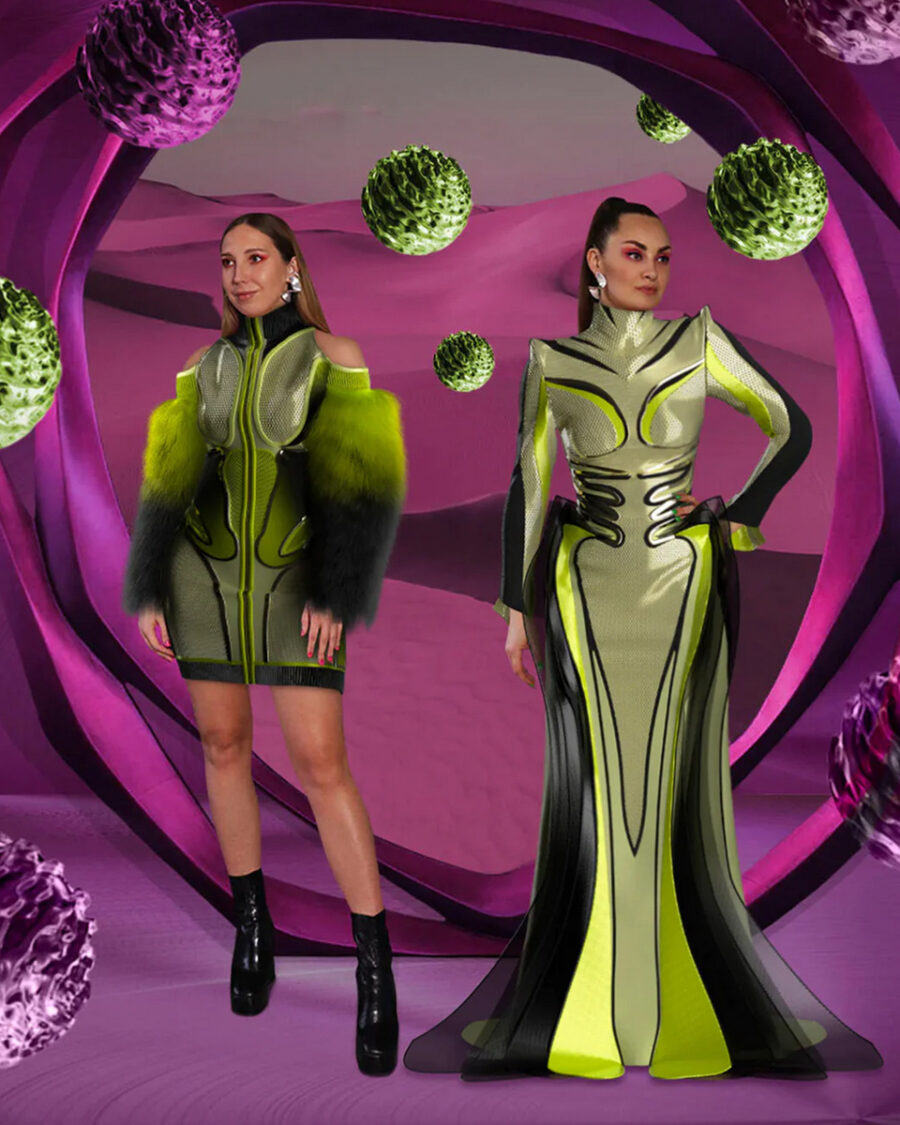
Seven Trends Defining 2026
Style3D recently outlined seven key trends shaping digital fashion in 2026. These aren’t isolated developments, but interconnected forces transforming the entire ecosystem. Understanding these trends is essential for anyone wanting to navigate this evolving landscape.
First, there’s phygital fashion, the blurring of lines between physical and digital garments. This includes everything from AR try-on experiences to digital twins of physical items. Next, we have AI-assisted design, where artificial intelligence is used to generate designs, predict trends, and personalize styling recommendations. Then there’s immersive shopping experiences, utilizing VR and AR to create more engaging retail environments.
The fourth trend is digital ownership through NFTs (Non-Fungible Tokens), allowing consumers to own unique digital assets. This is followed by virtual influencers and avatars, who are becoming increasingly popular brand ambassadors. Sixth is sustainable digital fashion, which addresses the environmental concerns associated with traditional fashion production.
Finally, Style3D highlighted personalized avatars and virtual styling. I find this last point particularly interesting because it speaks to the desire for self-expression and individuality. We’re moving towards a world where everyone can create their own unique digital identity. The AI aspect, though, is especially exciting. It isn't just about automating tasks—it's about unlocking new forms of creative collaboration between designers and machines.
- Phygital Fashion
- AI-Assisted Design
- Immersive Shopping Experiences
- Digital Ownership (NFTs)
- Virtual Influencers and Avatars
- Sustainable Digital Fashion
- Personalized Avatars and Virtual Styling
Emerging Tech Trends
- AI-Powered Design Tools - Platforms like Adobe Substance 3D Designer are increasingly incorporating AI to assist with texture creation, pattern generation, and even full garment design, accelerating the creative process.
- Real-Time 3D Rendering in Browsers - Technologies like Babylon.js and Three.js allow for increasingly realistic and interactive 3D garment visualization directly within web browsers, eliminating the need for dedicated software downloads.
- Digital Fitting and Avatar Creation - Companies like Size Stream are focusing on accurate body scanning and avatar creation, allowing consumers to virtually 'try on' clothes and brands to create digital twins for virtual fashion shows.
- NFT Integration for Digital Ownership - The use of Non-Fungible Tokens (NFTs) continues to grow, enabling verifiable ownership of digital fashion assets and creating new revenue streams for designers through platforms like OpenSea.
- Virtual Styling Services - Services offered by companies like Stitch Fix are evolving to include virtual styling, utilizing AI to suggest outfits based on user preferences and body types, visualized on avatars.
- Metaverse Fashion Events - Platforms like Decentraland and The Sandbox are hosting virtual fashion weeks and events, showcasing digital collections and allowing users to interact with brands in immersive environments.
- Digital Fabric Simulation - Software like CLO3D is becoming increasingly sophisticated in simulating the drape, texture, and movement of fabrics, allowing designers to visualize garments realistically before physical production.
Name : Neha Sharma
— 🖤shanthi 🖤 (@Shanusakthivel) May 1, 2026
Date of Birth : November 21, 1987
Age : 38 years
Height : 5’6″ (168 cm)
Weight : Approx. 56 kg
Body Measurements : 34-26-36
Birthplace : Bhagalpur, Bihar, India
Nationality : Indian
Education : National Institute of Fashion Technology (NIFT), New Delhi… pic.twitter.com/9p7E7ShNlA
AI's Role: Beyond Trend Prediction
AI isn’t just about predicting the latest fashion trends; it’s actively being used in the design process itself. Designers are employing AI tools to generate new patterns, experiment with different silhouettes, and even create entire collections. It's not about replacing designers, but augmenting their abilities.
Several companies are offering AI-powered design platforms. For example, tools can analyze vast datasets of images and runway shows to identify emerging styles and color palettes. Others allow designers to input specific parameters – like fabric type, silhouette, and target audience – and generate a range of design options. The level of control varies depending on the tool.
Beyond design, AI is also being used to personalize styling recommendations. Platforms are analyzing a user’s body type, preferences, and lifestyle to suggest outfits and accessories. The accuracy of these recommendations is continually improving, but I’m not sure we’re at the point where AI can truly replicate the intuition of a skilled stylist. It’s a powerful tool, but it still requires human oversight.
Phygital Fashion: Bridging Realities
Phygital fashion is the concept of blending physical and digital garments. This takes many forms, from augmented reality (AR) try-on experiences that allow you to virtually "wear" clothes before you buy them, to digital twins of physical items that exist in the metaverse. One exciting development is the use of NFTs to represent ownership of unique digital designs.
The idea of digital ownership is still relatively new and can be confusing. An NFT is a unique digital asset that is stored on a blockchain, providing proof of authenticity and ownership. This allows designers to create limited-edition digital garments and sell them directly to consumers. It also opens up new possibilities for resale and trading.
The benefits of phygital fashion are numerous for both brands and consumers. Brands can reach new audiences, reduce waste, and create more engaging experiences. Consumers can experiment with different styles, express their individuality, and own unique digital assets. However, concerns about sustainability and the environmental impact of blockchain technology need to be addressed.
Virtual Styling Platforms: A Comparison
Several platforms are emerging that allow consumers to experiment with virtual styling. These platforms differ in terms of features, pricing, and target audience. Some focus on creating realistic avatars, while others prioritize ease of use and accessibility.
One popular option is Stylebook, which allows users to create a digital wardrobe and mix and match outfits. It’s a great tool for planning outfits and discovering new combinations. Another platform, Looklet, focuses on creating personalized styling recommendations based on your body type and preferences. It’s more AI-driven than Stylebook.
Then there’s Drest, a platform that partners with luxury brands to offer virtual styling experiences. It’s more focused on high fashion and caters to a more affluent audience. I think Drest is interesting because it’s blurring the lines between gaming and fashion. It's less about practical styling and more about playing a fashion game.
What sets these platforms apart is their approach to realism and personalization. Stylebook is great for organizing your existing wardrobe, Looklet excels at AI-powered recommendations, and Drest offers a high-end, immersive experience. The best platform for you will depend on your individual needs and preferences.
Digital Fashion & Virtual Styling Platforms - 2026 Overview
| Platform Name | Key Features | Target User | Strengths | Weaknesses |
|---|---|---|---|---|
| DressX | Digital-only clothing marketplace; allows users to 'wear' digital fashion on photos and videos; NFT integration. | Consumers interested in digital self-expression; content creators; metaverse enthusiasts. | Wide variety of digital fashion options; accessible entry point to digital fashion. | Reliance on user-provided photos/videos for showcasing; potential concerns around digital ownership and authenticity. |
| The Fabricant | Digital fashion house creating exclusively digital garments; focuses on high-fashion aesthetics and virtual experiences. | High-fashion brands; digital artists; individuals seeking unique virtual identities. | High-quality digital designs; strong brand identity; pioneering work in digital-only fashion. | Higher price point compared to some other platforms; less accessible for casual users. |
| CLO Virtual Fashion | 3D fashion design software; allows designers to create realistic virtual garments and simulate fabric behavior. | Fashion designers; pattern makers; fashion schools; retailers. | Industry-standard software for 3D fashion design; realistic simulations; streamlines the design process. | Steeper learning curve; requires significant computing power; primarily focused on design, not direct consumer interaction. |
| Browzwear | 3D apparel design and visualization software; offers solutions for pattern making, fitting, and virtual prototyping. | Apparel brands; manufacturers; retailers; designers. | Comprehensive suite of tools for the entire apparel development process; improved accuracy and reduced sampling costs. | Can be expensive for smaller businesses; requires specialized training. |
| Stylebook | Virtual closet app; allows users to organize their existing wardrobe, plan outfits, and explore new style combinations. | Fashion-conscious individuals; personal stylists; those looking to maximize their wardrobe. | Helps users make the most of their existing clothes; simplifies outfit planning; provides style inspiration. | Focuses on existing wardrobes, not digital-only fashion; limited functionality for creating entirely new looks. |
Illustrative comparison based on the article research brief. Verify current pricing, limits, and product details in the official docs before relying on it.
3D Fashion Creation Tools
Creating digital fashion requires specialized software and tools. 3D modeling software, such as Clo3D and Marvelous Designer, is essential for creating realistic garments. These programs allow designers to simulate fabric behavior, drape, and fit.
Clo3D is particularly popular among fashion brands because it allows them to create virtual prototypes and reduce the need for physical samples. Marvelous Designer is known for its realistic fabric simulation capabilities. Both programs have a steep learning curve, but there are plenty of online tutorials and resources available.
Beyond 3D modeling software, there are also platforms like Browzwear that offer end-to-end solutions for digital fashion design. These platforms typically include tools for pattern making, draping, and rendering. I'm not a designer myself, but from what I've gathered, the accessibility of these tools is improving, making it easier for aspiring designers to enter the field.
The Metaverse and Fashion Events
The metaverse is having a growing impact on fashion shows and events. Brands are experimenting with virtual fashion shows, allowing consumers to experience new collections from anywhere in the world. These events often feature digital avatars and interactive elements.
While virtual fashion shows offer unique opportunities for engagement, I remain skeptical about the metaverse hype. The technology is still in its early stages, and the user experience can be clunky and unappealing. It's not yet a viable replacement for the energy and excitement of a physical fashion show.
However, the metaverse does offer brands new ways to connect with consumers and create immersive experiences. Virtual showrooms, digital try-on experiences, and exclusive NFT drops are just a few examples of how brands are leveraging the metaverse to enhance their marketing efforts. It's a space to watch, but it's important to approach it with a critical eye.
Challenges and Considerations
Despite the excitement surrounding digital fashion, several challenges and considerations need to be addressed. Sustainability is a major concern. The energy consumption of the metaverse and blockchain technology is significant, and it’s important to find ways to mitigate its environmental impact.
Inclusivity is another important issue. Virtual worlds need to be designed to be accessible and representative of diverse body types, ethnicities, and abilities. Intellectual property rights also need to be carefully considered, particularly when it comes to NFTs and digital ownership. Protecting designers' creations is crucial for fostering innovation.
Ultimately, the future of digital fashion depends on addressing these challenges and creating a sustainable, inclusive, and equitable ecosystem. It's not just about creating cool digital clothes; it’s about building a better future for the fashion industry as a whole.



No comments yet. Be the first to share your thoughts!