
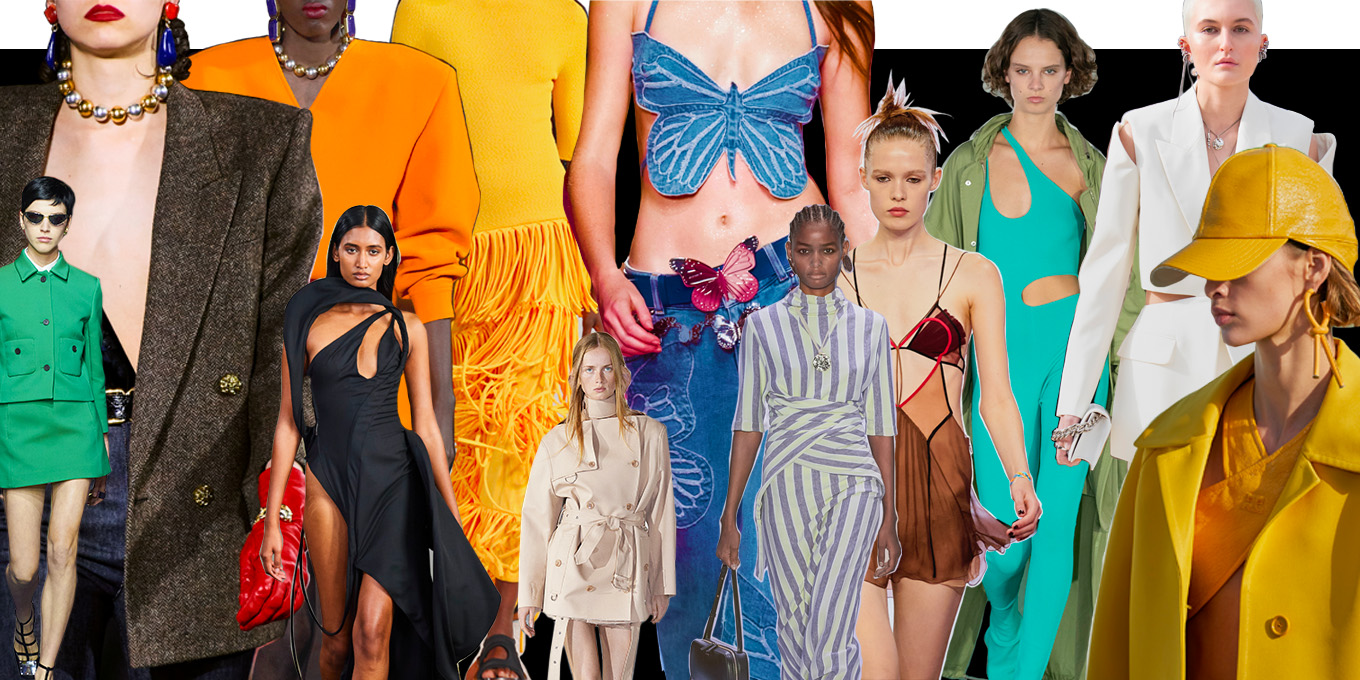

Defining the fashion or famine aesthetic
The phrase "fashion or famine" originally comes from Ann S. Stephens' 1854 novel, which juxtaposed the glittering lives of New York's elite against the desperate poverty of the working class. In modern street style, the term has been repurposed to describe a bold sartorial strategy: the deliberate clash between high-end luxury and rugged, utilitarian workwear. It is not about choosing between looking good and being comfortable; it is about wearing both simultaneously.
This aesthetic thrives on contrast. Imagine a tailored blazer from a high-fashion house worn over a heavy-duty canvas work shirt, paired with durable steel-toe boots. The look relies on the tension between the refined and the rough. It mirrors the duality of the 90s hip-hop scene, where expensive designer labels were mixed with practical, street-ready gear, and the 70s street style, which prioritized durability and authenticity over fleeting trends.
The result is a look that feels both expensive and grounded. It signals that you understand the value of craftsmanship, whether it comes from a luxury designer or a heritage workwear brand. This approach rejects the idea that utility is boring or that luxury is impractical. Instead, it merges them into a cohesive identity that is as functional as it is fashionable.
The original "Fashion and Famine" novel highlighted social inequality. Today's street style interpretation focuses on aesthetic juxtaposition, blending opulence with utility to create a unique personal style.
Key 90s hip hop fashion elements
The silhouette of 90s hip hop style was defined by its utilitarian roots. Unlike the tailored suits of previous decades, this aesthetic prioritized comfort, durability, and a sense of street-ready authority. The look was built on oversized layers and rugged footwear, creating a visual language that spoke to both resilience and cultural pride. These garments were not just clothes; they were armor for navigating urban environments.
Baggy Jeans and Denim
The foundation of the style was wide-leg denim. Jeans were worn two sizes too big, often sagging slightly to reveal the waistband or undershirt beneath. This silhouette was practical for movement and became a defining marker of the era. Brands like Lee and Wrangler were staples, chosen for their sturdy construction and relaxed fit.
Chunky Sneakers and Boots
Footwear was equally substantial. Sneakers were large, often with thick soles and bold branding. Models like the Nike Air Force 1 and Reebok Classic Leather were ubiquitous. For colder months, heavy-duty boots like Timberlands provided both warmth and a commanding presence. The footwear anchored the oversized outfits, adding weight and stability to the overall look.
Oversized Outerwear
Coats and jackets were worn generously oversized. Puffer jackets, denim jackets, and windbreakers were layered over t-shirts or hoodies. This layering technique added volume and texture, allowing for adaptability to changing weather while maintaining the distinctive bulky aesthetic. The outerwear often featured bold logos or contrasting panels, serving as a canvas for personal expression.
Graphic Tees and Hoodies
Underneath the layers, graphic tees and hoodies were essential. Band logos, sports teams, or bold typography were common prints. These pieces added color and personality to the outfit, breaking up the monotony of denim and outerwear. The fit remained loose, ensuring that the layers underneath did not restrict movement or comfort.
Accessories and Headwear
Accessories completed the look with functional flair. Bucket hats, baseball caps, and bandanas were worn frequently. Jewelry, often chunky gold chains or hoops, added a touch of glamour and status. These items were not mere afterthoughts but integral components that tied the outfit together, reflecting individual style within the broader cultural framework.
Essential 70s womens fashion pieces
The 1970s offered a distinct counterpoint to the utilitarian, oversized silhouettes of 90s hip hop. Where 90s streetwear prioritized comfort and camouflage, 70s womenswear celebrated opulence, texture, and fluid movement. Integrating these elements adds a layer of curated elegance to a hip hop foundation, transforming a basic look into something historically resonant.
Maxi Dresses and Flowing Silhouettes
The maxi dress was the defining garment of the decade, offering a romantic alternative to the boxy shapes of the 90s. Look for pieces with earthy tones, floral prints, or crochet details. These dresses provide a soft, flowing contrast to structured jackets or denim. When paired with chunky sneakers or combat boots, the juxtaposition creates a balanced aesthetic that honors both eras without leaning into costume territory.
Wide-Leg and Flared Trousers
Bell-bottoms and wide-leg pants were staples of 70s style, characterized by their dramatic flare from the knee down. These trousers elongate the silhouette and add movement that straight-leg 90s jeans lack. Choose high-waisted styles in denim, corduroy, or velvet. The key is volume; the pants should skim the floor rather than bunch up, creating a clean line that pairs well with tucked-in blouses or fitted crop tops.
Platform Shoes
Platforms elevated the 70s look both literally and figuratively. Unlike the flat sneakers of the 90s, platforms add height and a bold visual anchor to any outfit. Look for styles in leather, suede, or even patent finishes. They work particularly well with midi skirts or wide-leg pants, grounding the flowy upper half with a substantial base. The added height also complements the relaxed fit of 70s tops, preventing the outfit from looking overwhelmed by fabric.
Bold Prints and Textures
The 70s embraced patterns that 90s minimalism often avoided. Paisley, geometric, and animal prints were common, often mixed with rich textures like suede, velvet, and fringe. Incorporating one statement piece with these elements—such as a suede vest or a printed scarf—adds depth to a neutral 90s base. The goal is to let the texture speak for itself, avoiding clutter by keeping the rest of the outfit simple and monochromatic.
Balance the Silhouette
Mixing 90s hip hop and 70s street style requires a deliberate approach to proportion. The 70s brought wide legs and long lines, while the 90s introduced boxy, oversized fits. Wearing both eras at full volume creates a costume-like bulk that obscures your shape. Instead, treat the outfit as a balance scale: if you choose wide-leg 70s jeans, pair them with a fitted or cropped 90s top. If you opt for a baggy 90s hoodie, let the 70s element be a slim-fit vest or tailored trousers. This contrast creates visual interest without overwhelming the frame.
Anchor with One Statement Piece
Let one item from each decade lead the look. A flared denim or corduroy pair from the 70s anchors the bottom half, while a 90s graphic tee or oversized windbreaker defines the top. Avoid adding more than two distinct era-specific items to keep the outfit cohesive. For example, a 90s varsity jacket over a 70s turtleneck and jeans works because the layers complement rather than compete. Stick to neutral base colors like black, navy, or olive to let the cuts and textures speak for themselves.
Finish with Era-Appropriate Footwear
Shoes often reveal the intent behind an outfit. 70s style favors platform sneakers, loafers, or ankle boots, while 90s hip hop leans toward high-top sneakers or chunky trainers. Pairing a 90s high-top with 70s flared jeans bridges the gap between the two eras seamlessly. Avoid mixing platform soles with 90s athletic shoes, as the conflicting heights can look disjointed. Keep accessories minimal: a simple chain or a beanie can tie the look together without adding clutter.
Key Pieces to Build the Look
To execute this fusion effectively, start with versatile staples that allow for easy mixing and matching. These items are widely available and serve as the foundation for balancing the two distinct aesthetics.
Quick Styling Checklist
-
One wide-leg 70s item paired with a fitted 90s top
-
One boxy 90s item paired with a slim 70s bottom
-
Footwear that bridges both eras (e.g., high-tops with flares)
-
Minimal accessories to avoid costume-like clutter
-
Neutral base colors to let silhouettes stand out
Where to find these street style staples
Acquiring the right pieces requires knowing where to look, whether you want authentic vintage or modern reproductions that capture the same silhouette. The market for 90s hip hop and 70s street style is split between secondhand archives and contemporary brands releasing heritage-inspired collections. Understanding the differences helps you decide where to spend your budget.
Below is a comparison of key items, highlighting where to find them and what to expect in terms of authenticity and cost.
For everyday staples like Timberlands or modern crossbody bags, Amazon and major retailers offer reliable access to new reproductions. These items provide the aesthetic without the hassle of hunting for condition. However, for items like Champion hoodies or Levi’s 501s, the vintage market on platforms like eBay, Depop, or local thrift stores offers superior authenticity and often better value.
When buying vintage, always check for signs of wear, especially on denim and hoodies. For modern reproductions, stick to well-known brands to ensure quality. This approach lets you mix high-impact vintage pieces with affordable modern basics for a complete look.
No comments yet. Be the first to share your thoughts!